Common Bloodhound Health Issues to Watch For
By PetEssentialist Team · Updated July 2026 · How we review
We independently research and pick every product. When you buy through our links we may earn a commission, at no extra cost to you. How this works.
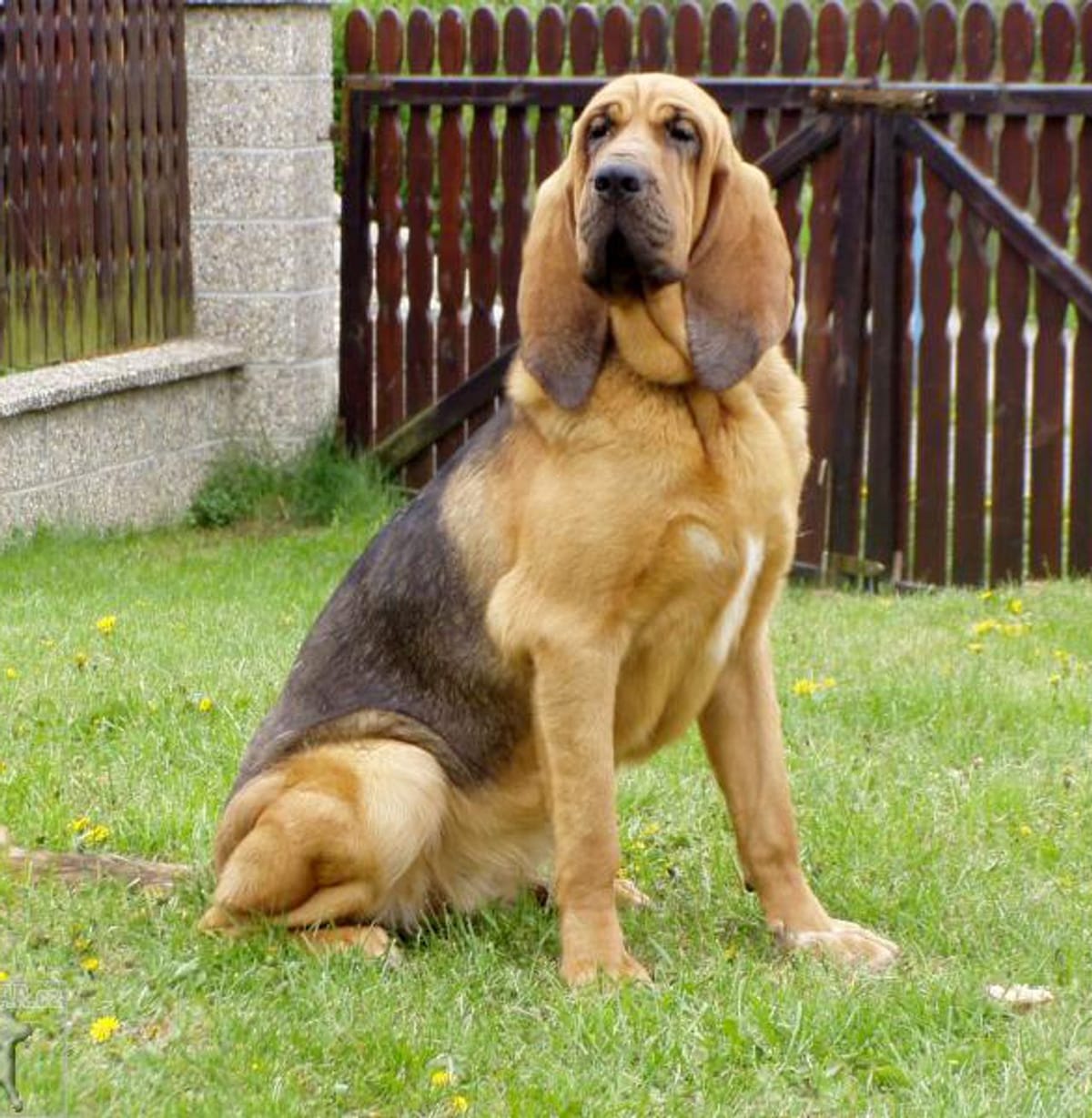
The Bloodhound's unique combination of loose skin, long ears, and energetic temperament makes them prone to specific health issues. One of the highest-stakes factors for this breed is the risk of bloat, also known as gastric dilatation-volvulus (GDV), which can be life-threatening if not addressed promptly. Bloodhound owners need to be aware of the signs of bloat, including vomiting, restlessness, and a swollen abdomen, and seek immediate veterinary attention if they suspect their dog is affected. The Bloodhound's short, moderate-shedding coat and low grooming needs can sometimes mask skin issues, such as skin fold dermatitis, which can thrive in the warm, moist environment created by their loose skin. Regular inspection and cleaning of skin folds can help prevent infections. Additionally, their long ears and moderate energy level make them more susceptible to ear infections, which can be painful and require frequent veterinary check-ups. By understanding the specific health challenges faced by Bloodhounds, owners can take proactive steps to prevent or manage these conditions, ensuring their dog leads a long and healthy life.
What to look for
Monitor for Bloat
Bloodhound owners should be aware of the signs of bloat and take steps to prevent it, such as feeding multiple small meals throughout the day and avoiding exercise after meals. They should also consider investing in a dog crate or pen to reduce stress and prevent over-exertion. It's essential to have a plan in place in case of an emergency, including knowing the location of the nearest veterinary hospital and having a means of transporting their dog quickly and safely.
Keep Ears Clean
Regular ear cleaning can help prevent ear infections in Bloodhounds. Owners should inspect their dog's ears weekly and clean them as needed to remove dirt, wax, and debris. They should also avoid inserting cotton swabs or other objects into the ear canal, as this can push debris further into the ear and cause damage.
Inspect Skin Folds
Bloodhound owners should regularly inspect their dog's skin folds for signs of infection, such as redness, swelling, and discharge. They should clean the skin folds daily, especially after meals and exercise, to prevent the buildup of dirt and bacteria. By catching skin fold dermatitis early, owners can prevent more severe infections from developing.
Maintain a Healthy Weight
Bloodhounds are prone to hip dysplasia, which can be exacerbated by excess weight. Owners should monitor their dog's food intake and ensure they are getting regular exercise to maintain a healthy weight. This can help reduce the risk of hip dysplasia and other weight-related health issues.
Schedule Regular Check-Ups
Regular veterinary check-ups are essential for monitoring the Bloodhound's health and catching any potential issues early. Owners should schedule check-ups at least twice a year, or more frequently if their dog has a pre-existing condition. By working closely with their veterinarian, owners can ensure their Bloodhound receives the best possible care and lives a long, healthy life.
Frequently asked questions
How often should I clean my Bloodhound's ears?
It's recommended to clean your Bloodhound's ears at least once a week, or as needed. Be sure to use a gentle ear cleaner and avoid inserting cotton swabs or other objects into the ear canal.
What are the signs of bloat in Bloodhounds?
The signs of bloat in Bloodhounds include vomiting, restlessness, and a swollen abdomen. If you suspect your dog is experiencing bloat, seek immediate veterinary attention.
Can I prevent skin fold dermatitis in my Bloodhound?
While it's impossible to completely prevent skin fold dermatitis, you can reduce the risk by regularly inspecting and cleaning your Bloodhound's skin folds. This can help catch infections early and prevent more severe issues from developing.
How often should I take my Bloodhound to the vet?
It's recommended to take your Bloodhound to the vet at least twice a year for regular check-ups. If your dog has a pre-existing condition, you may need to schedule more frequent appointments.
What is the best way to manage my Bloodhound's weight?
The best way to manage your Bloodhound's weight is to monitor their food intake and ensure they are getting regular exercise. You can also consult with your veterinarian to determine the ideal weight range for your dog and develop a plan to achieve and maintain it.
By understanding the unique health challenges faced by Bloodhounds and taking proactive steps to prevent or manage these conditions, owners can help their dog live a long and healthy life. Regular veterinary check-ups, monitoring for bloat, and maintaining a healthy weight are all crucial for ensuring the best possible care for this beloved breed. With the right care and attention, Bloodhounds can thrive and bring joy and companionship to their owners for years to come.
More for your Bloodhound
Other breed-matched picks worth a look.