Bloodhound
The Bloodhound is a large dog known for being friendly, determined, gentle.
- Size
- large
- Weight
- 80–110 lbs
- Life span
- 10–12 yrs
- Coat
- short
- Shedding
- moderate
- Energy
- moderate
Health to watch for
Common breed predispositions — not a diagnosis. Always consult your vet.
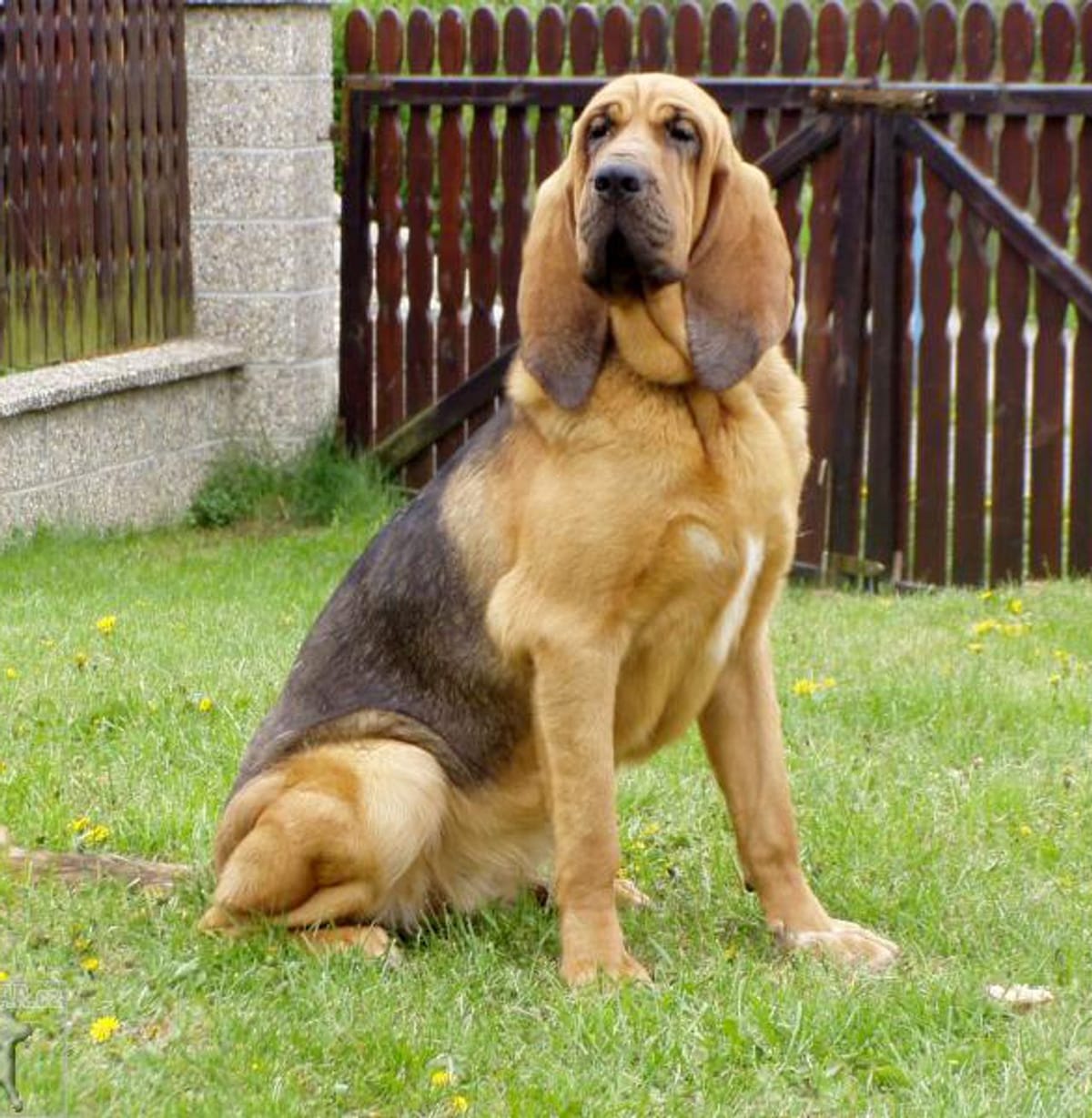
Despite their reputation as determined hunters, Bloodhounds are often described as gentle giants, with a friendly and affectionate nature that makes them a beloved companion for many families. One surprising fact about Bloodhounds is that their iconic wrinkled skin and long ears, which help to trap scent particles, also make them prone to skin fold dermatitis and ear infections.
With their short, easy-to-maintain coats and moderate energy levels, Bloodhounds can thrive in a variety of living situations, from apartments to homes with yards. However, their strong noses and wanderlust tendencies mean they require regular exercise and mental stimulation to prevent boredom and escape attempts.
As a large breed with a moderate lifespan of 10-12 years, Bloodhounds require careful consideration of their size, energy level, and potential health issues, including bloat, hip dysplasia, and ear infections, when planning their care and lifestyle.
Temperament & Training
Bloodhounds are known for their stubbornness, which can make training challenging. Consistent, positive reinforcement training and early socialization are essential to develop good behavior and prevent unwanted habits. With patience and persistence, Bloodhounds can learn to obey commands and behave well in public.
Daily Care & Grooming
Bloodhounds have short, low-maintenance coats that require occasional brushing and bathing. However, their wrinkled skin and long ears need regular cleaning and inspection to prevent infections. Daily checks and gentle cleaning can help prevent skin fold dermatitis and ear infections.
Exercise & Enrichment
Bloodhounds need regular exercise to stay happy and healthy, including daily walks and playtime. They also require mental stimulation to prevent boredom and escape attempts, such as scent work, obedience training, and interactive toys. A secure, escape-proof yard or regular leashed walks can help prevent wandering and keep them safe.
Feeding Considerations
As a large breed, Bloodhounds require a balanced diet that meets their nutritional needs, with careful monitoring of food intake to prevent obesity and bloat. A high-quality dog food with moderate protein and fat content, divided into 2-3 meals per day, can help support their growth and maintenance.
Cost & Commitment
Owning a Bloodhound requires a significant commitment of time, money, and resources, including regular veterinary care, training, and supplies. With potential health issues such as bloat, hip dysplasia, and ear infections, it's essential to budget for unexpected veterinary expenses and consider pet insurance to mitigate costs.
Bloodhound FAQ
How often should I clean my Bloodhound's ears?
Bloodhounds' long ears require regular cleaning to prevent infections, ideally 2-3 times per week. Gently wipe the outer ear with a cotton ball and clean the ear canal with a dog ear cleaner, taking care not to insert the cleaner too far into the ear.
Can Bloodhounds be left alone for long periods?
While Bloodhounds can tolerate some alone time, they thrive on human interaction and can become destructive or escape if left alone for too long. It's recommended to provide regular exercise, training, and mental stimulation to prevent boredom and separation anxiety.
Why do Bloodhounds drool so much?
Bloodhounds are prone to drooling due to their loose, wrinkled skin and long ears, which can trap saliva and moisture. Regular cleaning and inspection of their skin and ears can help reduce drooling, but it's essential to accept that some drooling is normal for this breed.
Can Bloodhounds be trained for agility or obedience?
Yes, Bloodhounds can be trained for agility and obedience, but they require patient, consistent, and positive reinforcement training. Their stubbornness and independent nature mean they may not respond well to harsh correction or punishment-based training methods.
How can I prevent bloat in my Bloodhound?
To reduce the risk of bloat, feed your Bloodhound smaller, more frequent meals, and avoid exercise immediately after eating. Elevating their food and water bowls can also help, as can monitoring their appetite and vomiting, and seeking immediate veterinary attention if you suspect bloat.
Top picks for Bloodhounds
- Best Food for Bloodhounds →
- Best Dental Chews for Bloodhounds →
- Best Treats for Bloodhounds →
- Best Leashes for Bloodhounds →
- Best Crates for Bloodhounds →
- Best Brushes for Bloodhounds →
- Best Harnesses for Bloodhounds →
- Best Beds for Bloodhounds →
- Best Shampoo for Bloodhounds →
- Best Chew Toys for Bloodhounds →
- Best Collars for Bloodhounds →
- Best Toys for Bloodhounds →
- Best Nail Clippers for Bloodhounds →
- Best Joint Supplements for Bloodhounds →
- Best Jackets & Coats for Bloodhounds →
- Best Cooling Mats for Bloodhounds →
- Best Training Pads for Bloodhounds →
- Best Ear Cleaners for Bloodhounds →