Common British Shorthair Health Issues to Watch For
By PetEssentialist Team · Updated June 2026 · How we review
We independently research and pick every product. When you buy through our links we may earn a commission, at no extra cost to you. How this works.
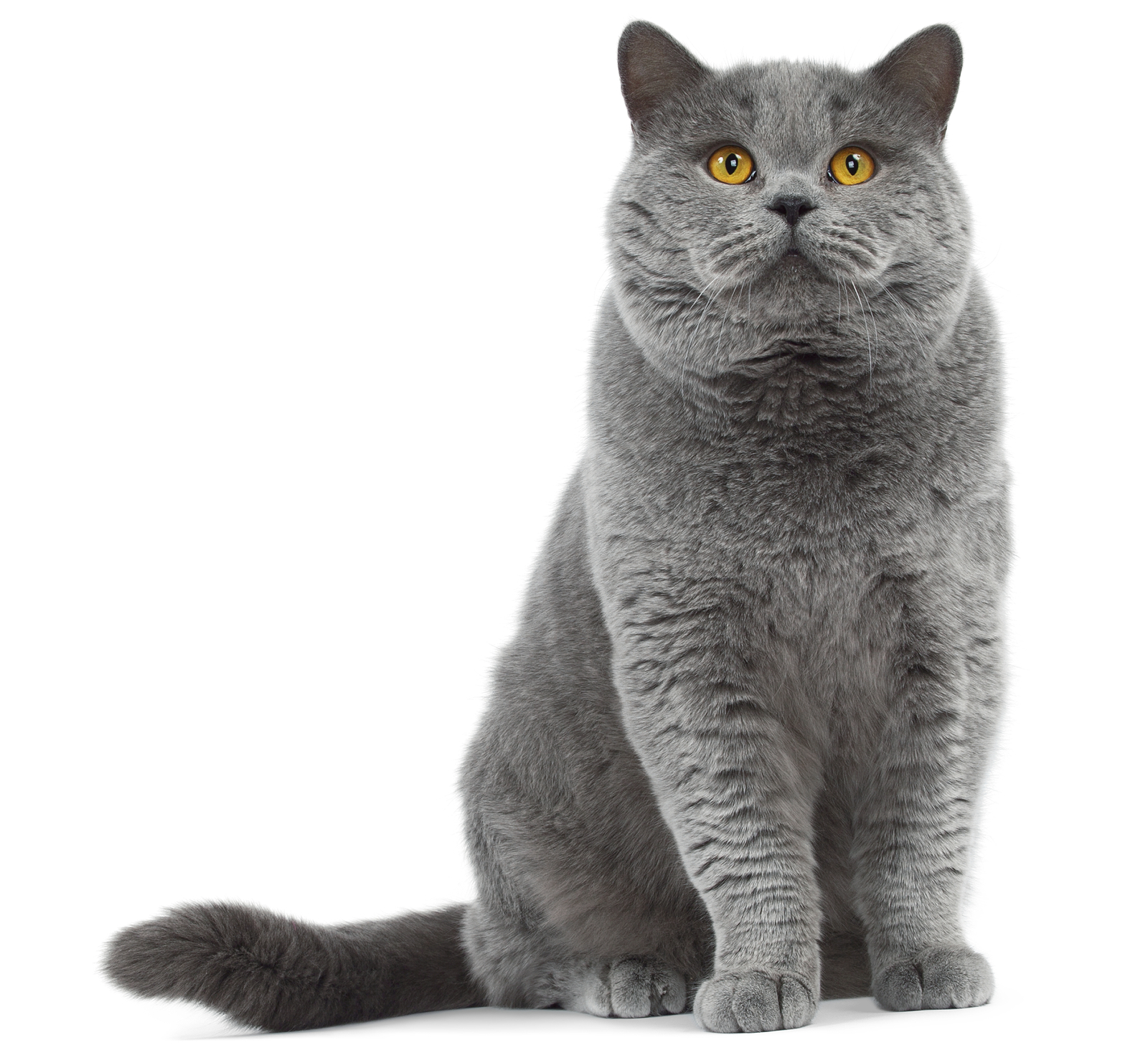
The British Shorthair's stocky build and plush coat make it a stunning companion, but this breed is particularly prone to heart issues, specifically Hypertrophic Cardiomyopathy (HCM). As a responsible owner, it's crucial to monitor your cat's heart health closely. Regular check-ups with a veterinarian can help detect any potential issues early on, allowing for timely intervention. The British Shorthair's low energy level and tendency to obesity also make it essential to maintain a healthy weight through a balanced diet and moderate exercise. A calm and easygoing temperament can sometimes mask underlying health issues, so it's vital to stay vigilant and aware of any changes in behavior or physical condition. By understanding the specific health concerns associated with the British Shorthair breed, owners can take proactive steps to prevent or manage these issues, ensuring their cat leads a long and healthy life.
What to look for
Monitor Heart Health
Regular check-ups with a veterinarian are crucial to detect any potential heart issues early on. The British Shorthair's predisposition to HCM makes it essential to stay on top of heart health. Owners should work closely with their veterinarian to develop a monitoring plan tailored to their cat's specific needs. This may involve regular echocardiograms and blood tests to track any changes in heart function.
Maintain a Healthy Weight
The British Shorthair's low energy level and tendency to obesity make it vital to maintain a healthy weight through a balanced diet and moderate exercise. Owners should aim to feed a high-quality, nutrient-rich food that meets their cat's nutritional needs, and limit treats and snacks to prevent overeating. Regular weight checks and body condition assessments can help identify any potential issues early on.
Dental Care
Dental disease is a common issue in British Shorthairs, and regular dental care can help prevent or manage this condition. Owners should aim to brush their cat's teeth daily, using a gentle toothbrush and toothpaste specifically designed for cats. Regular dental checks with a veterinarian can also help identify any potential issues early on, allowing for timely intervention.
Watch for Kidney Disease
Polycystic Kidney Disease (PKD) is another common health issue in British Shorthairs, and owners should be aware of the signs and symptoms of this condition. Regular check-ups with a veterinarian can help detect any potential issues early on, and owners should be vigilant for any changes in their cat's behavior or physical condition, such as increased thirst or urination.
Stay Informed and Proactive
By staying informed about the common health issues associated with the British Shorthair breed, owners can take proactive steps to prevent or manage these conditions. Regular check-ups with a veterinarian, a healthy diet, and moderate exercise can all help contribute to a long and healthy life for your cat. Owners should also be aware of the signs and symptoms of potential health issues and seek veterinary advice promptly if they have any concerns.
Frequently asked questions
How often should I take my British Shorthair to the vet?
Regular check-ups with a veterinarian are crucial to detect any potential health issues early on. The frequency of visits will depend on your cat's age, health status, and individual needs, but as a general rule, annual check-ups are recommended for healthy adult British Shorthairs. Kittens and senior cats may require more frequent visits.
What are the signs of HCM in British Shorthairs?
The signs of HCM in British Shorthairs can be subtle and may not always be apparent. However, owners should be aware of any changes in their cat's behavior or physical condition, such as difficulty breathing, lethargy, or pale gums. If you have any concerns, you should seek veterinary advice promptly.
Can I prevent my British Shorthair from becoming obese?
Yes, there are steps you can take to help prevent your British Shorthair from becoming obese. Feeding a high-quality, nutrient-rich food that meets your cat's nutritional needs, limiting treats and snacks, and providing regular exercise and playtime can all help contribute to a healthy weight.
How can I care for my British Shorthair's teeth?
Regular dental care can help prevent or manage dental disease in British Shorthairs. Owners should aim to brush their cat's teeth daily, using a gentle toothbrush and toothpaste specifically designed for cats. Regular dental checks with a veterinarian can also help identify any potential issues early on.
What is the average lifespan of a British Shorthair?
The average lifespan of a British Shorthair is 12-20 years, depending on various factors such as diet, lifestyle, and health status. With proper care and attention to potential health issues, many British Shorthairs can live well into their teens.
By prioritizing heart health, maintaining a healthy weight, and staying informed about common health issues, British Shorthair owners can help ensure their cat leads a long and healthy life. Regular check-ups with a veterinarian and a proactive approach to health care can make all the difference in preventing or managing potential health issues. With the right care and attention, your British Shorthair can thrive and enjoy a happy, healthy life.
More for your British Shorthair
Other breed-matched picks worth a look.