British Shorthair
The British Shorthair is a large cat known for being calm, easygoing, loyal.
- Size
- large
- Weight
- 7–17 lbs
- Life span
- 12–20 yrs
- Coat
- dense plush short double
- Shedding
- moderate
- Energy
- low
Health to watch for
Common breed predispositions — not a diagnosis. Always consult your vet.
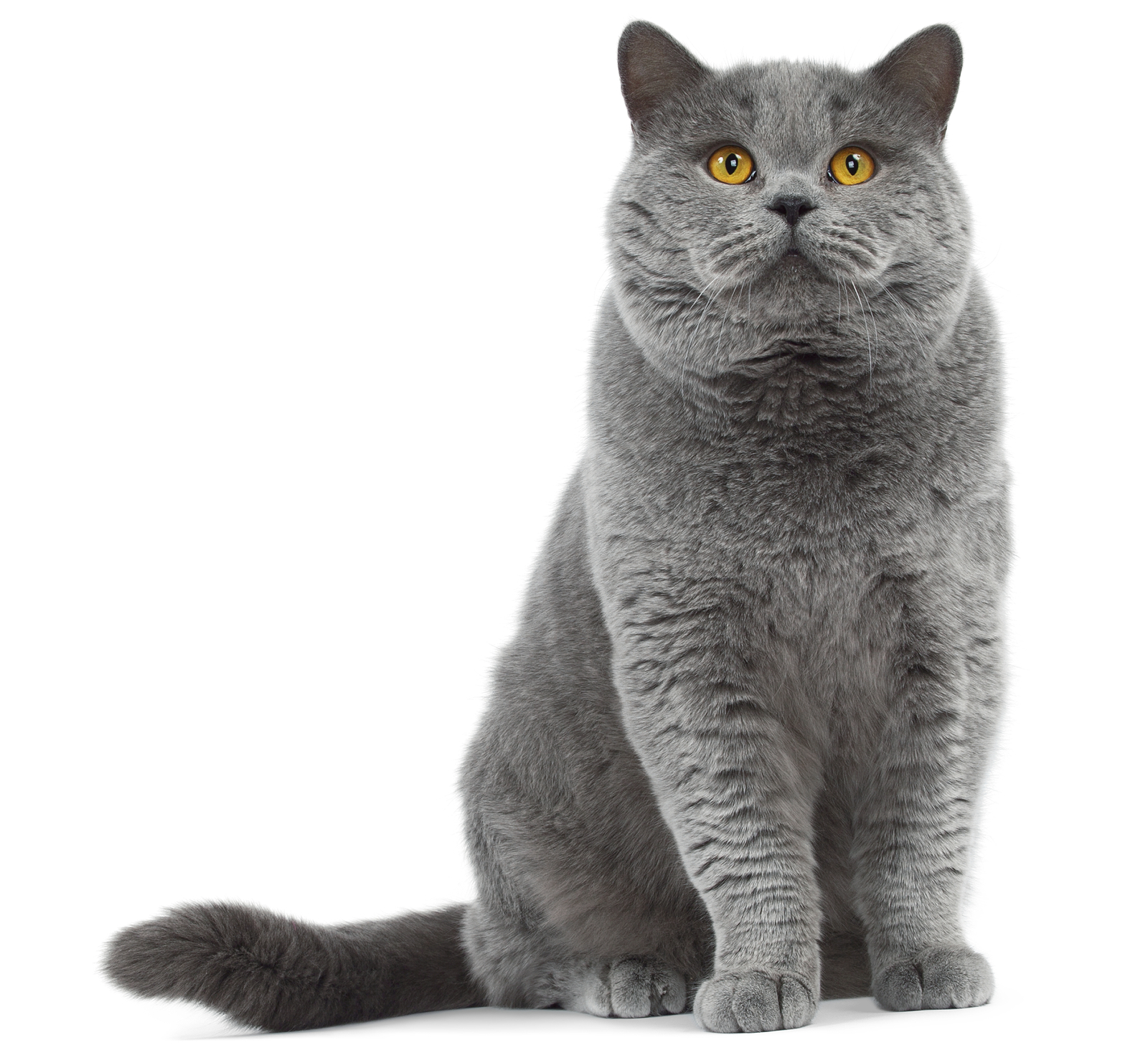
Despite their sturdy build, British Shorthairs are prone to obesity due to their low energy levels, making careful monitoring of their diet and activity essential. Their dense, plush coat sheds moderately, requiring regular grooming to prevent matting. With a lifespan of 12-20 years, British Shorthairs are a long-term companion, and understanding their needs is crucial for a happy and healthy relationship.
British Shorthairs are known for their calm and easygoing nature, making them an excellent choice for families with children or for those who want a laid-back pet. However, their reserved temperament means they may take time to warm up to new people and environments.
Their low energy level means they don't require extensive exercise, but they still need regular playtime and mental stimulation to prevent boredom and obesity. With proper care and attention, British Shorthairs can thrive and become loving and loyal companions.
Temperament and Personality
British Shorthairs are calm and easygoing, but they can be reserved with new people and environments. They thrive on routine and may take time to adjust to changes in their schedule or surroundings. Consistency and patience are key when introducing new people, pets, or experiences into their life. With gentle and positive reinforcement, they can become confident and affectionate companions.
Daily Care and Grooming
Their dense, plush coat requires regular grooming to prevent matting and tangling. A weekly brushing session can help reduce shedding and prevent hairballs. British Shorthairs are generally clean cats and are easy to litter train, but they may require more frequent cleaning due to their moderate shedding.
Exercise and Enrichment
British Shorthairs have low energy levels, but they still need regular playtime and mental stimulation to prevent boredom and obesity. Short play sessions with toys or feather wands can help keep them active and engaged. Food puzzle toys and scratching posts can also provide mental stimulation and help maintain their physical health.
Feeding Considerations
British Shorthairs are prone to obesity, so monitoring their food intake is crucial. They require a balanced diet that meets their nutritional needs, and portion control is essential to prevent overeating. High-quality cat food with moderate fat content and limited carbohydrates can help maintain their weight and overall health.
Realistic Cost and Commitment
British Shorthairs are a long-term commitment, and their care can come with significant costs. Regular veterinary check-ups, vaccinations, and preventative care can add up, and their prone health issues, such as HCM and obesity, may require ongoing treatment. Pet owners should consider these costs and plan accordingly to ensure they can provide the necessary care and attention for their British Shorthair.
British Shorthair FAQ
How often should I groom my British Shorthair?
British Shorthairs require regular grooming to prevent matting and tangling. A weekly brushing session can help reduce shedding and prevent hairballs. Additionally, they may require more frequent grooming during shedding season to prevent loose hair from causing problems.
Why is my British Shorthair gaining weight?
British Shorthairs are prone to obesity due to their low energy levels and love of food. Overfeeding, lack of exercise, and genetics can all contribute to weight gain. Monitoring their food intake, ensuring regular playtime, and maintaining a healthy lifestyle can help prevent obesity and related health issues.
Can British Shorthairs get along with other pets?
British Shorthairs are generally calm and easygoing, but they can be reserved with new people and pets. Introducing them to other pets slowly and under controlled circumstances can help prevent conflicts and ensure a harmonious household. With patience and gentle introduction, British Shorthairs can learn to coexist with other pets.
How much exercise does my British Shorthair need?
British Shorthairs have low energy levels, but they still require regular playtime and mental stimulation to prevent boredom and obesity. Short play sessions with toys or feather wands, as well as food puzzle toys and scratching posts, can help keep them active and engaged.
What health issues are British Shorthairs prone to?
British Shorthairs are prone to several health issues, including HCM (heart), obesity, dental disease, and PKD (kidney). Regular veterinary check-ups, preventative care, and genetic testing can help identify these issues early on, and owners should work closely with their veterinarian to develop a plan for monitoring and managing these conditions.
Top picks for British Shorthairs
- Best Wet Food for British Shorthairs →
- Best Dry Food for British Shorthairs →
- Best Treats for British Shorthairs →
- Best Litter for British Shorthairs →
- Best Cat Trees for British Shorthairs →
- Best Dental Treats for British Shorthairs →
- Best Litter Boxes for British Shorthairs →
- Best Scratching Posts for British Shorthairs →
- Best Beds for British Shorthairs →
- Best Brushes for British Shorthairs →
- Best Water Fountains for British Shorthairs →
- Best Toys for British Shorthairs →
- Best Harnesses for British Shorthairs →
- Best Nail Clippers for British Shorthairs →
- Best Carriers for British Shorthairs →
- Best Calming Aids for British Shorthairs →