Common Bull Terrier Health Issues to Watch For
By PetEssentialist Team · Updated July 2026 · How we review
We independently research and pick every product. When you buy through our links we may earn a commission, at no extra cost to you. How this works.
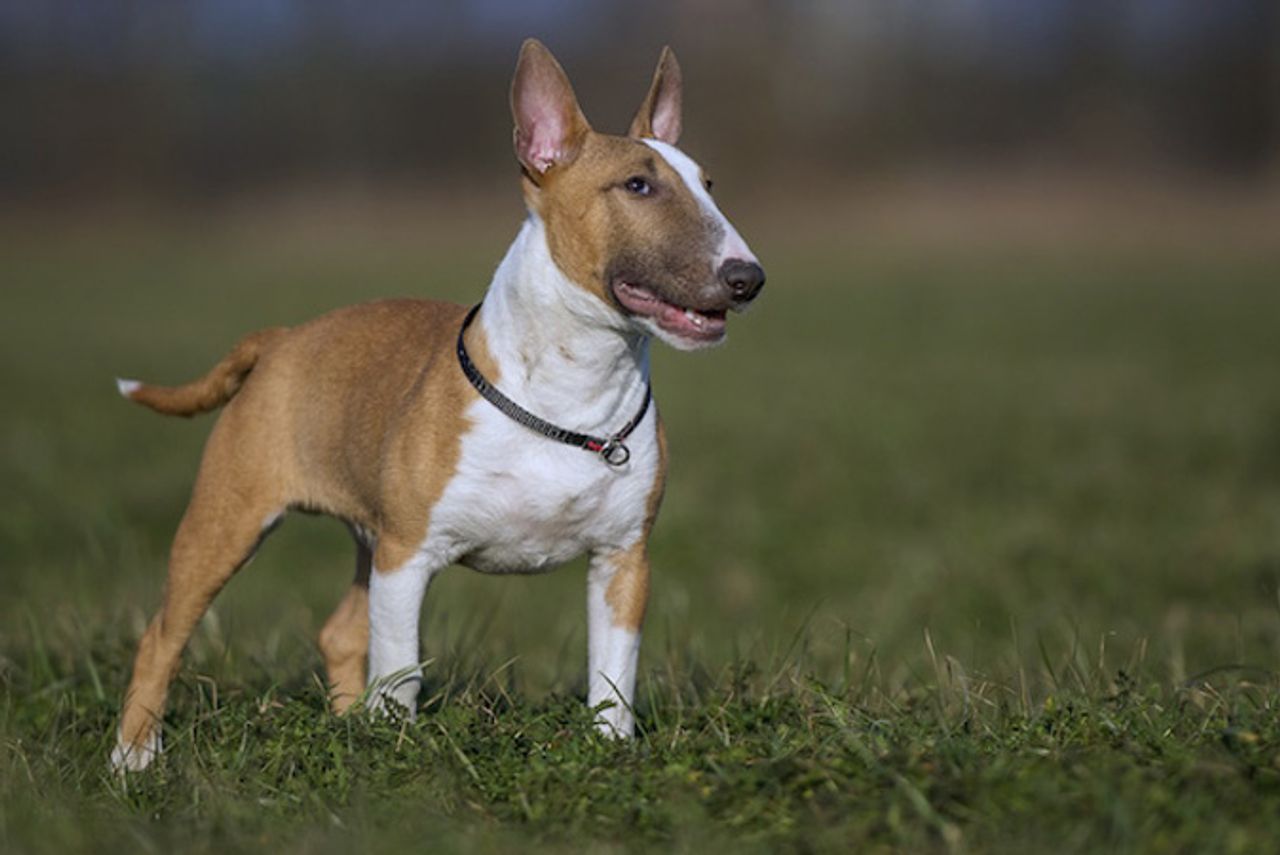
Bull Terriers are known for their playful, mischievous personalities and muscular builds, but their unique characteristics also predispose them to specific health issues. Their egg-shaped heads and short, flat coats require special attention to prevent skin allergies and other problems. As a Bull Terrier owner, it's essential to be aware of the potential health risks associated with this breed, including deafness, kidney disease, and heart disease, to ensure prompt veterinary care when needed. With their high energy levels and love of play, Bull Terriers can be prone to accidents and injuries, making regular veterinary check-ups crucial. By understanding the common health issues affecting Bull Terriers, owners can take proactive steps to prevent or manage these conditions, ensuring their dogs lead long, healthy lives. Regular grooming and monitoring of their overall health can help identify potential problems early on, allowing for swift action to be taken. Given the breed's predisposition to certain health issues, it's vital for owners to be vigilant and informed, recognizing the signs of potential problems and seeking veterinary advice promptly. This guide provides an overview of the common health issues affecting Bull Terriers, offering practical advice on everyday prevention and highlighting when to consult a veterinarian.
What to look for
Monitoring for Deafness
Bull Terriers are prone to deafness, particularly in older age. Owners should monitor their dog's hearing regularly, watching for signs such as a lack of response to commands or difficulty locating the source of sounds. Regular veterinary check-ups can help identify hearing loss early on, allowing for adjustments to be made to the dog's care and training.
Maintaining Kidney Health
Kidney disease is a common issue in Bull Terriers, making it essential to monitor their kidney function regularly. A balanced diet and plenty of fresh water can help support kidney health, while regular veterinary check-ups can identify potential problems early on. Owners should also be aware of the signs of kidney disease, such as increased thirst and urination, and seek veterinary advice promptly if they notice any changes in their dog's behavior or health.
Preventing Skin Allergies
Bull Terriers' short, flat coats require regular grooming to prevent skin allergies and irritation. Owners should brush their dog's coat regularly, removing any dead hair and distributing skin oils to keep the coat healthy. They should also be aware of the signs of skin allergies, such as itching and redness, and seek veterinary advice if they notice any changes in their dog's skin or behavior.
Supporting Heart Health
Heart disease is a common issue in Bull Terriers, making it essential to support their heart health through regular exercise and a balanced diet. Owners should ensure their dog gets plenty of opportunities for physical activity, such as walks and playtime, while also monitoring their dog's weight and overall health. Regular veterinary check-ups can help identify potential heart problems early on, allowing for prompt treatment and management.
Prioritizing Regular Veterinary Care
Regular veterinary check-ups are crucial for Bull Terriers, allowing for early identification and management of potential health issues. Owners should schedule regular check-ups with their veterinarian, typically every 6-12 months, and be prepared to discuss their dog's health, behavior, and any concerns they may have. By prioritizing regular veterinary care, owners can help ensure their Bull Terrier leads a long, healthy life.
Frequently asked questions
How often should I take my Bull Terrier to the vet?
Regular veterinary check-ups are essential for Bull Terriers, typically every 6-12 months. However, if you notice any changes in your dog's behavior or health, you should seek veterinary advice promptly. Additionally, puppies and older dogs may require more frequent check-ups, so it's essential to follow your veterinarian's recommendations.
What are the signs of deafness in Bull Terriers?
Signs of deafness in Bull Terriers can include a lack of response to commands, difficulty locating the source of sounds, and increased startle responses. If you suspect your Bull Terrier is experiencing hearing loss, you should consult with your veterinarian, who can perform a hearing test to confirm the diagnosis.
Can I prevent kidney disease in my Bull Terrier?
While it's not possible to completely prevent kidney disease in Bull Terriers, you can take steps to support their kidney health. A balanced diet, plenty of fresh water, and regular veterinary check-ups can help identify potential problems early on, allowing for prompt treatment and management. Additionally, avoiding certain medications and toxins can help reduce the risk of kidney disease.
How can I prevent skin allergies in my Bull Terrier?
To prevent skin allergies in your Bull Terrier, it's essential to groom their coat regularly, removing any dead hair and distributing skin oils to keep the coat healthy. You should also be aware of the signs of skin allergies, such as itching and redness, and seek veterinary advice if you notice any changes in your dog's skin or behavior. Additionally, avoiding certain allergens and irritants, such as flea bites and environmental allergens, can help reduce the risk of skin allergies.
What are the signs of heart disease in Bull Terriers?
Signs of heart disease in Bull Terriers can include coughing, difficulty breathing, and lethargy. If you suspect your Bull Terrier is experiencing heart problems, you should seek veterinary advice promptly, as early diagnosis and treatment can significantly improve outcomes. Your veterinarian can perform diagnostic tests, such as chest X-rays and echocardiograms, to confirm the diagnosis and develop a treatment plan.
By understanding the common health issues affecting Bull Terriers and taking proactive steps to prevent or manage these conditions, owners can help ensure their dogs lead long, healthy lives. Prioritizing regular veterinary care, monitoring for signs of potential problems, and providing a balanced diet and plenty of exercise can all contribute to a healthy and happy Bull Terrier. For owners who want to provide the best possible care for their Bull Terrier, consulting with a veterinarian and following their recommendations is essential.
More for your Bull Terrier
Other breed-matched picks worth a look.