Common Bullmastiff Health Issues to Watch For
By PetEssentialist Team · Updated June 2026 · How we review
We independently research and pick every product. When you buy through our links we may earn a commission, at no extra cost to you. How this works.
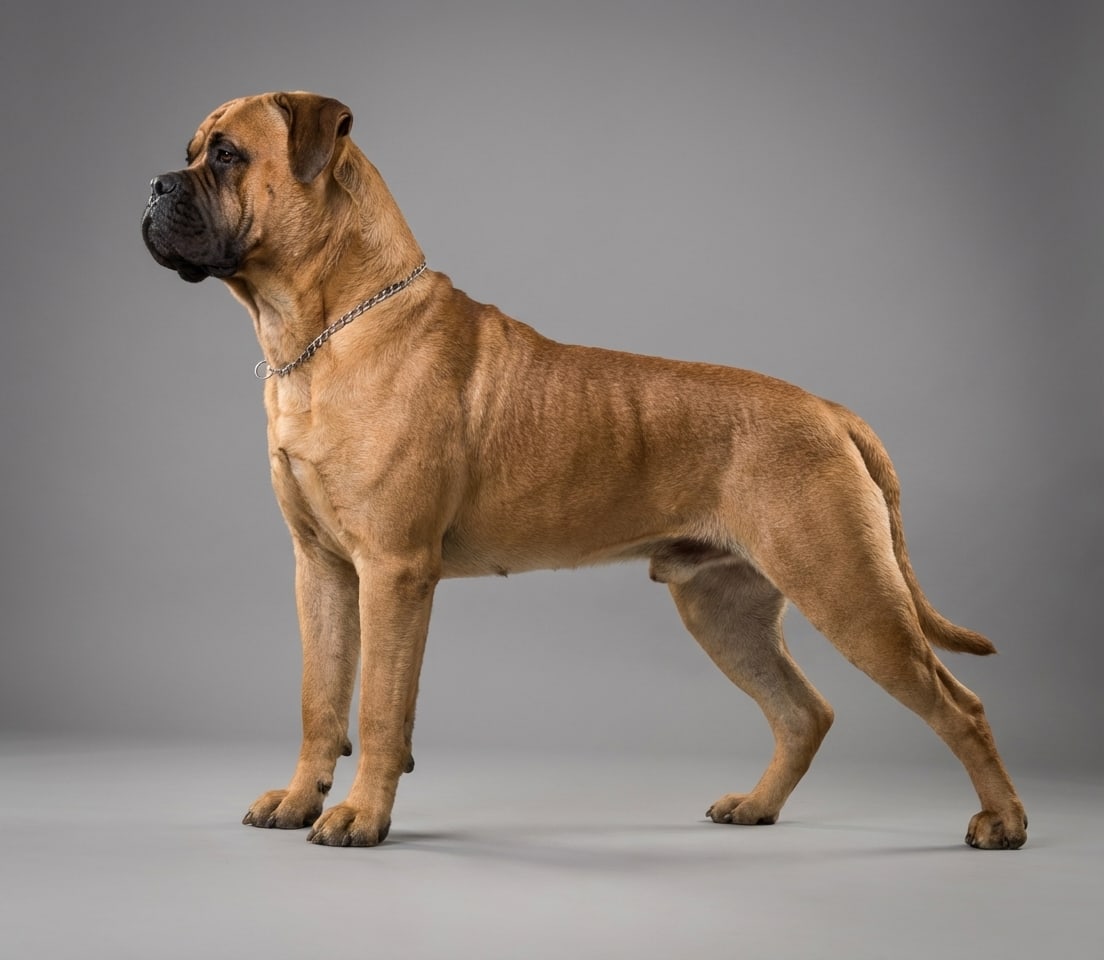
The Bullmastiff's massive size and deep chest make them prone to certain health issues, such as bloat and hip dysplasia. As a Bullmastiff owner, it's essential to be aware of these potential problems and take steps to prevent them. With their short, single coat and moderate energy level, Bullmastiffs require regular exercise and a balanced diet to stay healthy, but their giant size means they need extra care and attention to prevent joint problems and other issues. Bullmastiffs are also known for their loyal and affectionate nature, which makes them wonderful companions, but their size and strength mean they need careful management to prevent accidents and injuries. By understanding the common health issues that affect Bullmastiffs, owners can take proactive steps to keep their pets healthy and happy. Regular veterinary check-ups, a balanced diet, and plenty of exercise are just a few of the ways Bullmastiff owners can help prevent health issues in their pets. However, it's also important to be aware of the signs of potential problems, such as drooling, lethargy, or difficulty breathing, and to seek veterinary attention immediately if any of these symptoms occur.
What to look for
Monitor for Signs of Bloat
Bloat, also known as gastric dilatation-volvulus (GDV), is a life-threatening condition that can affect deep-chested breeds like the Bullmastiff. Owners should be aware of the signs of bloat, which include drooling, restlessness, and difficulty breathing, and seek veterinary attention immediately if they occur. Feeding multiple small meals throughout the day and avoiding exercise after meals can also help reduce the risk of bloat.
Maintain a Healthy Weight
Bullmastiffs are prone to obesity, which can exacerbate joint problems and other health issues. Owners should ensure their pets are at a healthy weight by monitoring their food intake and ensuring they get regular exercise. A balanced diet that meets the Bullmastiff's nutritional needs is essential, and owners should avoid overfeeding or giving too many treats.
Provide Regular Exercise
Bullmastiffs need regular exercise to stay healthy, but their giant size means they should avoid high-impact activities that can put excessive strain on their joints. Short, gentle walks and playtime in the yard are ideal, and owners should avoid exercising their pets in hot weather or during periods of high humidity.
Watch for Signs of Hip Dysplasia
Hip dysplasia is a common health issue in Bullmastiffs, causing arthritis, mobility problems, and pain. Owners should be aware of the signs of hip dysplasia, which include stiffness, limping, and difficulty rising from a lying down position, and seek veterinary attention if they occur. Providing a comfortable, supportive bed and avoiding jumping or high-impact activities can also help reduce the risk of hip dysplasia.
Stay on Top of Veterinary Care
Regular veterinary check-ups are essential for maintaining the health and wellbeing of Bullmastiffs. Owners should schedule annual check-ups and follow their veterinarian's recommendations for vaccinations, parasite control, and dental care. By staying on top of veterinary care, owners can help prevent health issues and catch any potential problems early, reducing the risk of serious illness or injury.
Frequently asked questions
How often should I feed my Bullmastiff?
Bullmastiffs are prone to bloat, so it's best to feed them multiple small meals throughout the day rather than one or two large meals. This can help reduce the risk of bloat and ensure they get the nutrients they need to stay healthy.
Why does my Bullmastiff drool so much?
Bullmastiffs are known for their drooling, which can be caused by a variety of factors, including their deep chest and loose lips. While drooling is a normal part of Bullmastiff ownership, excessive drooling can be a sign of health issues, such as bloat or dental problems, so owners should monitor their pets' drooling and seek veterinary attention if it becomes excessive or is accompanied by other symptoms.
Can Bullmastiffs tolerate hot weather?
Bullmastiffs are somewhat heat-sensitive due to their thick coat and giant size, so they should be kept cool and comfortable in hot weather. Owners should provide plenty of fresh water, shade, and air conditioning or fans to help keep their pets cool, and avoid exercising them in hot weather or during periods of high humidity.
How much exercise does my Bullmastiff need?
Bullmastiffs need regular exercise to stay healthy, but their giant size means they should avoid high-impact activities that can put excessive strain on their joints. Short, gentle walks and playtime in the yard are ideal, and owners should aim for at least 30 minutes of exercise per day.
What are the most common health issues in Bullmastiffs?
Bullmastiffs are prone to a variety of health issues, including hip dysplasia, bloat, heart conditions, and cancer. Owners should be aware of the signs of these conditions and seek veterinary attention immediately if they occur. Regular veterinary check-ups and a balanced diet can also help reduce the risk of these health issues.
By understanding the common health issues that affect Bullmastiffs and taking proactive steps to prevent them, owners can help their pets live long, healthy lives. With their loyal and affectionate nature, Bullmastiffs make wonderful companions, and with the right care and attention, they can thrive. Owners should prioritize their pets' health and wellbeing, and seek veterinary attention immediately if they have any concerns or notice any signs of illness or injury.
More for your Bullmastiff
Other breed-matched picks worth a look.