Bullmastiff
The Bullmastiff is a giant dog known for being affectionate, loyal, brave.
- Size
- giant
- Weight
- 100–130 lbs
- Life span
- 7–9 yrs
- Coat
- short single
- Shedding
- moderate
- Energy
- moderate
Health to watch for
Common breed predispositions — not a diagnosis. Always consult your vet.
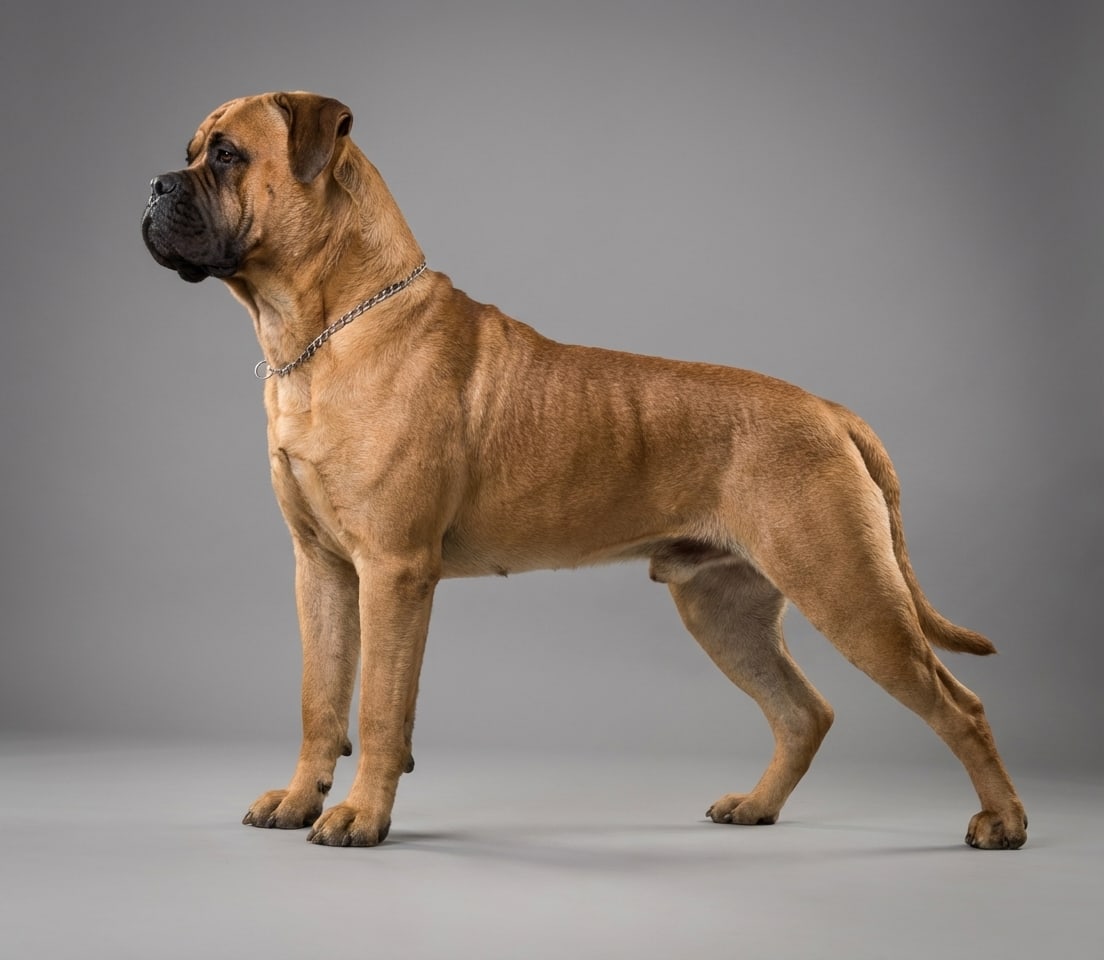
For Bullmastiff owners, providing the right combination of space, exercise, and nutrition is crucial to supporting their dog's overall health and wellbeing. As a giant breed with moderate energy levels, Bullmastiffs require regular activity to stay happy and healthy, but they are not high-strung or overly demanding. Their short, single coat means grooming needs are relatively low, but their large size and tendency to drool mean that cleaning up after them can be a significant task.
With their calm and affectionate temperament, Bullmastiffs make loyal and loving companions, but they do require careful management to prevent health issues such as hip dysplasia, bloat, and heart conditions. By understanding the specific needs of the Bullmastiff breed, owners can take steps to minimize the risk of these problems and ensure their dog lives a long and fulfilling life.
From daily care and grooming to exercise and feeding, every aspect of Bullmastiff ownership requires careful consideration of the breed's unique characteristics and needs. By prioritizing these needs and taking a proactive approach to their dog's health, Bullmastiff owners can build a strong and rewarding relationship with their pet.
Daily Care and Grooming
Bullmastiffs have a short, single coat that requires minimal grooming, but they do need regular cleaning to remove drool and dirt from their face and body. Owners should also prioritize nail care, as long nails can cause discomfort and health problems for the dog. Regular ear cleaning and dental care are also essential to prevent infections and promote overall health.
Exercise and Enrichment
Bullmastiffs need regular exercise to stay happy and healthy, but they are not high-energy dogs and do not require excessive physical activity. Daily walks and playtime are essential, but owners should also prioritize mental stimulation and training to prevent boredom and stress. With their calm and gentle nature, Bullmastiffs are well-suited to family life and can thrive in a variety of living situations.
Feeding Considerations
As a giant breed, Bullmastiffs require a balanced and nutritious diet that meets their unique nutritional needs. Owners should prioritize high-quality dog food that is formulated for large breeds, and should also consider the dog's individual needs and health status when selecting a food. With their tendency to drool and eat quickly, Bullmastiffs may benefit from a slow-feeder bowl or other adaptive feeding solutions.
Training and Socialization
Bullmastiffs are intelligent and loyal dogs that respond well to positive reinforcement training. Owners should prioritize socialization from an early age, introducing the dog to a variety of people, places, and experiences to promote confidence and calmness. With their natural guarding instinct, Bullmastiffs may require careful training and management to prevent over-protectiveness or aggression.
Health and Wellness
Bullmastiffs are prone to a range of health issues, including hip dysplasia, bloat, and heart conditions. Owners should prioritize regular veterinary care and monitoring, and should also take steps to minimize the risk of these problems through careful breeding, nutrition, and management. By working closely with their veterinarian and staying informed about the latest research and recommendations, Bullmastiff owners can help their dog live a long and healthy life.
Bullmastiff FAQ
How often should I exercise my Bullmastiff?
Bullmastiffs need regular exercise to stay happy and healthy, but they are not high-energy dogs and do not require excessive physical activity. Daily walks and playtime are essential, but owners should also prioritize mental stimulation and training to prevent boredom and stress.
Why does my Bullmastiff drool so much?
Bullmastiffs are prone to drooling due to their facial structure and loose lips. This can be managed through regular cleaning and grooming, but it is a natural part of the breed's characteristics and should not be a cause for concern.
Can Bullmastiffs be left alone during the day?
Bullmastiffs are social dogs that thrive on interaction and attention from their owners. While they can be left alone for short periods, they should not be left alone for extended periods without proper exercise, training, and mental stimulation.
How can I prevent health issues in my Bullmastiff?
By prioritizing regular veterinary care and monitoring, and taking steps to minimize the risk of health issues through careful breeding, nutrition, and management, owners can help their Bullmastiff live a long and healthy life. This includes maintaining a healthy weight, providing regular exercise and mental stimulation, and staying informed about the latest research and recommendations.
Are Bullmastiffs good with children?
Bullmastiffs are gentle and calm dogs that can make excellent family pets, but they do require careful management and supervision around children. With their large size and natural guarding instinct, Bullmastiffs may accidentally injure or intimidate children if not properly trained and socialized.
Top picks for Bullmastiffs
- Best Nail Clippers for Bullmastiffs →
- Best Dental Chews for Bullmastiffs →
- Best Food for Bullmastiffs →
- Best Treats for Bullmastiffs →
- Best Crates for Bullmastiffs →
- Best Harnesses for Bullmastiffs →
- Best Brushes for Bullmastiffs →
- Best Beds for Bullmastiffs →
- Best Collars for Bullmastiffs →
- Best Chew Toys for Bullmastiffs →
- Best Leashes for Bullmastiffs →
- Best Joint Supplements for Bullmastiffs →
- Best Shampoo for Bullmastiffs →
- Best Toys for Bullmastiffs →
- Best Jackets & Coats for Bullmastiffs →
- Best Cooling Mats for Bullmastiffs →
- Best Training Pads for Bullmastiffs →
- Best Ear Cleaners for Bullmastiffs →