Common Dachshund Health Issues to Watch For
By PetEssentialist Team · Updated June 2026 · How we review
We independently research and pick every product. When you buy through our links we may earn a commission, at no extra cost to you. How this works.
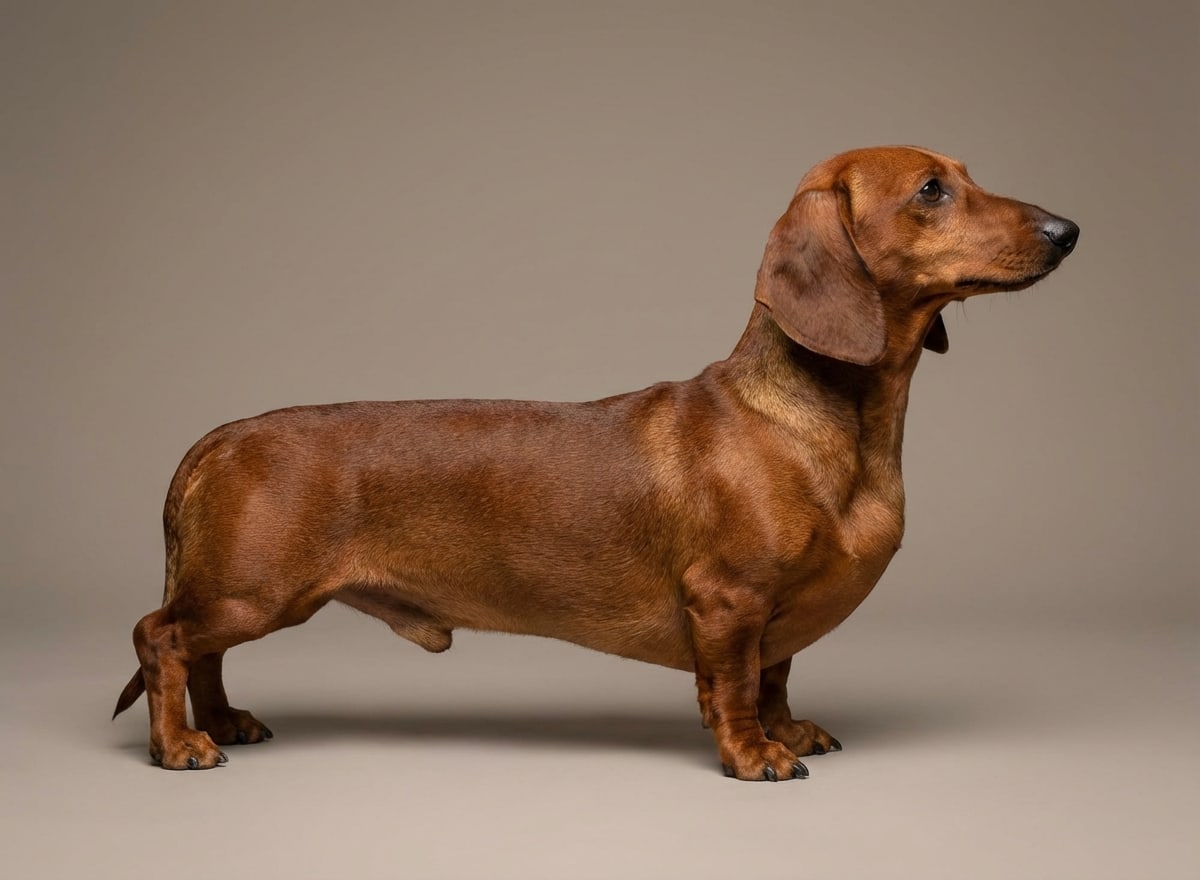
The Dachshund's unique body shape, with its long, narrow back and short legs, makes it prone to specific health issues that owners should be aware of. As a Dachshund owner, it's essential to understand that their small size and moderate energy level can sometimes mask potential health problems, such as IVDD (back problems) and obesity. Regular monitoring and preventive measures can help mitigate these risks. With their clever and lively temperament, Dachshunds require attentive care and regular check-ups to ensure they lead a happy and healthy life, typically spanning 12-16 years.
What to look for
Monitor Weight
Dachshunds are prone to obesity, which can exacerbate back problems and other health issues. Owners should monitor their Dachshund's weight closely, ensuring they maintain a healthy weight through a balanced diet and regular exercise. A weight control plan should be implemented to prevent overeating, and owners should avoid giving too many treats.
Provide Ramps and Support
To prevent spinal injury, Dachshund owners should provide ramps or stairs to help their pets climb onto furniture or into vehicles, rather than jumping. This simple measure can significantly reduce the risk of IVDD and other back problems. Ramps and support should be used consistently to develop good habits and prevent accidents.
Maintain Good Oral Health
Dental disease is a common issue in Dachshunds, and owners should prioritize regular dental care, including brushing their pet's teeth and providing dental chews or toys. This helps prevent tartar buildup, promotes healthy gums, and reduces the risk of related health problems.
Watch for Signs of Patellar Luxation
Patellar luxation, or kneecap dislocation, is another health issue that can affect Dachshunds. Owners should be aware of the signs, including sudden pain or limping, and consult a veterinarian if they suspect a problem. Regular check-ups can help identify potential issues early on, allowing for prompt treatment and prevention of further complications.
Schedule Regular Check-Ups
Regular veterinary check-ups are crucial for Dachshunds, allowing owners to stay on top of their pet's health and address any potential issues promptly. A veterinarian can provide personalized advice and help owners develop a preventive care plan tailored to their Dachshund's specific needs and risk factors.
Frequently asked questions
How often should I take my Dachshund to the vet?
Regular check-ups should be scheduled at least twice a year, with more frequent visits as your Dachshund ages or if specific health issues arise. Your veterinarian can help determine the best schedule for your pet.
What are the early signs of IVDD in Dachshunds?
Early signs of IVDD may include reluctance to jump, crying out in pain, or showing signs of weakness in the hind legs. If you suspect your Dachshund is experiencing back problems, consult a veterinarian immediately.
Can I prevent my Dachshund from becoming obese?
Yes, maintaining a healthy weight through a balanced diet, regular exercise, and monitoring food intake can help prevent obesity in Dachshunds. Avoid overfeeding and limit treats to keep your pet at a healthy weight.
Why is it important to use ramps for my Dachshund?
Using ramps can help prevent spinal injury and reduce the risk of IVDD by avoiding high-impact jumps. This simple precaution can significantly contribute to your Dachshund's long-term health and well-being.
How can I promote good oral health in my Dachshund?
Promote good oral health by brushing your Dachshund's teeth regularly, providing dental chews or toys, and scheduling regular dental check-ups with your veterinarian. This helps prevent dental disease and related health issues.
By prioritizing weight control, providing ramps and support, maintaining good oral health, watching for signs of patellar luxation, and scheduling regular check-ups, Dachshund owners can help prevent common health issues and ensure their pet leads a long, happy, and healthy life. Consult a veterinarian for personalized advice tailored to your Dachshund's specific needs. Regular care and attention can make a significant difference in your pet's overall health and well-being.
More for your Dachshund
Other breed-matched picks worth a look.