Common Exotic Shorthair Health Issues to Watch For
By PetEssentialist Team · Updated June 2026 · How we review
We independently research and pick every product. When you buy through our links we may earn a commission, at no extra cost to you. How this works.
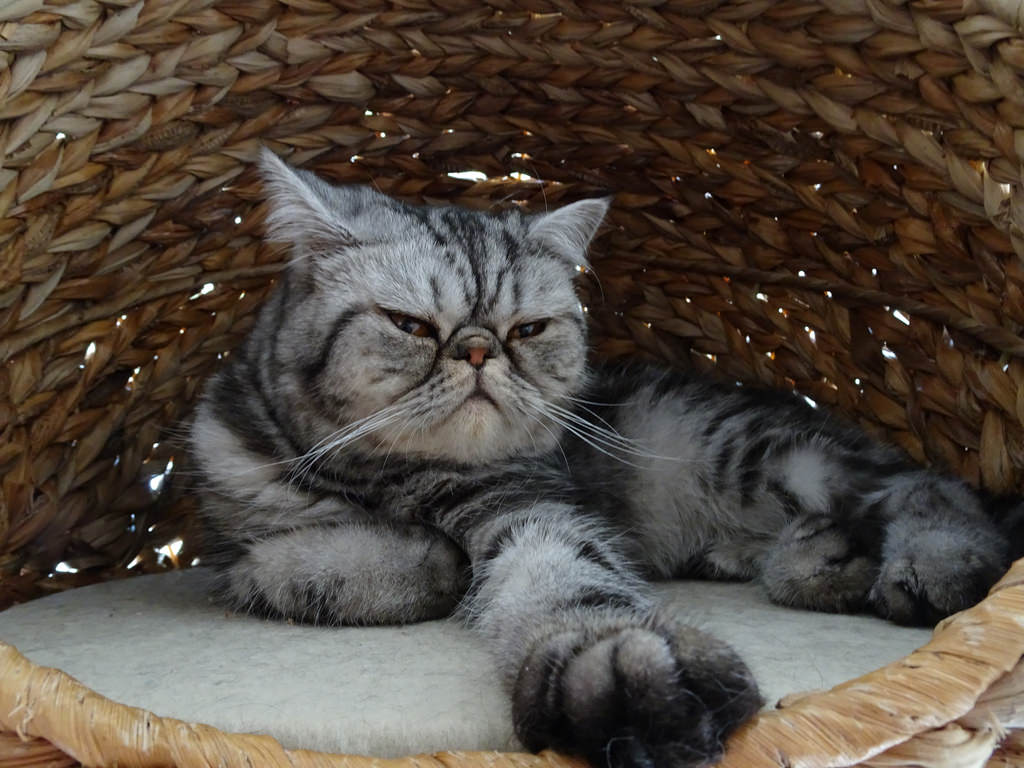
On a warm summer day, an Exotic Shorthair's flat face and short, dense coat can make it more susceptible to heat sensitivity and breathing difficulties. As the owner gently wipes away tear stains from the corners of their cat's eyes, they can't help but wonder what other health issues they should be watching for. With their calm and gentle nature, Exotic Shorthairs make wonderful companions, but their unique characteristics require special attention to prevent common health problems. Exotic Shorthairs are prone to a range of health issues, including brachycephalic airway syndrome, polycystic kidney disease (PKD), and dental disease. Regular grooming and check-ups with a veterinarian can help identify these issues early on, but owners must also be aware of the signs and symptoms to look out for. By understanding the specific needs of their Exotic Shorthair, owners can take proactive steps to prevent and manage these health issues. From daily grooming habits to regular veterinary check-ups, there are many ways owners can help their Exotic Shorthair live a long and healthy life. By staying informed and taking a proactive approach to their cat's health, owners can enjoy many happy years with their beloved pet.
What to look for
Monitor for Brachycephalic Airway Syndrome
Exotic Shorthairs are prone to breathing difficulties due to their flat face, so it's essential to monitor for signs of brachycephalic airway syndrome, such as wheezing, coughing, or difficulty breathing. Owners should keep a close eye on their cat's behavior, especially in hot or humid weather, and seek veterinary attention immediately if they notice any of these symptoms. Regular check-ups with a veterinarian can also help identify any potential issues early on.
Prevent Dental Disease
Dental disease is a common health issue in Exotic Shorthairs, so it's crucial to establish a regular dental care routine. This includes daily brushing, providing dental chews or toys, and scheduling regular dental check-ups with a veterinarian. By taking proactive steps to prevent dental disease, owners can help their Exotic Shorthair maintain good oral health and prevent related issues such as bad breath or gum disease.
Manage Tear Staining
Exotic Shorthairs are prone to tear staining due to their flat face and short coat, so it's essential to establish a regular grooming routine to keep their eyes clean. Owners should gently wipe away tear stains daily, using a damp cloth or a specialized cleaning solution. Regular grooming can also help reduce the risk of eye infections and other related issues.
Watch for Signs of PKD
Polycystic kidney disease (PKD) is a common health issue in Exotic Shorthairs, so it's essential to monitor for signs such as increased thirst or urination, weight loss, or vomiting. Owners should schedule regular check-ups with a veterinarian to screen for PKD and other related issues, and seek immediate attention if they notice any of these symptoms.
Maintain a Healthy Weight
Exotic Shorthairs can be prone to obesity, which can exacerbate existing health issues such as brachycephalic airway syndrome or dental disease. Owners should monitor their cat's weight and adjust their diet accordingly, ensuring they provide a balanced and nutritious diet that meets their cat's specific needs. Regular exercise, such as playtime or short walks, can also help maintain a healthy weight and prevent related issues.
Frequently asked questions
How often should I groom my Exotic Shorthair?
Exotic Shorthairs require moderate grooming, including daily wiping of their eyes to prevent tear staining and regular brushing to prevent matting. Owners should aim to groom their Exotic Shorthair at least 2-3 times a week, with daily grooming recommended during shedding season.
What are the signs of brachycephalic airway syndrome in Exotic Shorthairs?
Signs of brachycephalic airway syndrome in Exotic Shorthairs include wheezing, coughing, difficulty breathing, and blue-tinged gums. Owners should seek immediate veterinary attention if they notice any of these symptoms, especially in hot or humid weather.
Can Exotic Shorthairs be outdoor cats?
Exotic Shorthairs are not well-suited to outdoor life due to their heat sensitivity and prone to breathing difficulties. Owners should keep their Exotic Shorthair indoors, providing a cool and comfortable environment to prevent heat-related issues.
How can I prevent dental disease in my Exotic Shorthair?
Preventing dental disease in Exotic Shorthairs requires a regular dental care routine, including daily brushing, providing dental chews or toys, and scheduling regular dental check-ups with a veterinarian. Owners should also monitor their cat's oral health, watching for signs of bad breath, gum disease, or other related issues.
What is the average lifespan of an Exotic Shorthair?
The average lifespan of an Exotic Shorthair is 12-15 years, with some cats living up to 17 years or more with proper care and attention. Owners should prioritize their cat's health and well-being, taking proactive steps to prevent common health issues and ensure a long and happy life.
By understanding the specific health needs of their Exotic Shorthair, owners can take proactive steps to prevent and manage common health issues. Prioritizing regular grooming, veterinary check-ups, and a healthy lifestyle can help Exotic Shorthairs live a long and happy life. Whether you're a seasoned owner or a newcomer to the world of Exotic Shorthairs, staying informed and taking a proactive approach to your cat's health is essential for a rewarding and enjoyable ownership experience.
More for your Exotic Shorthair
Other breed-matched picks worth a look.