Exotic Shorthair
The Exotic Shorthair is a medium cat known for being calm, affectionate, gentle.
- Size
- medium
- Weight
- 7–14 lbs
- Life span
- 12–15 yrs
- Coat
- dense plush short
- Shedding
- moderate
- Energy
- low
Health to watch for
Common breed predispositions — not a diagnosis. Always consult your vet.
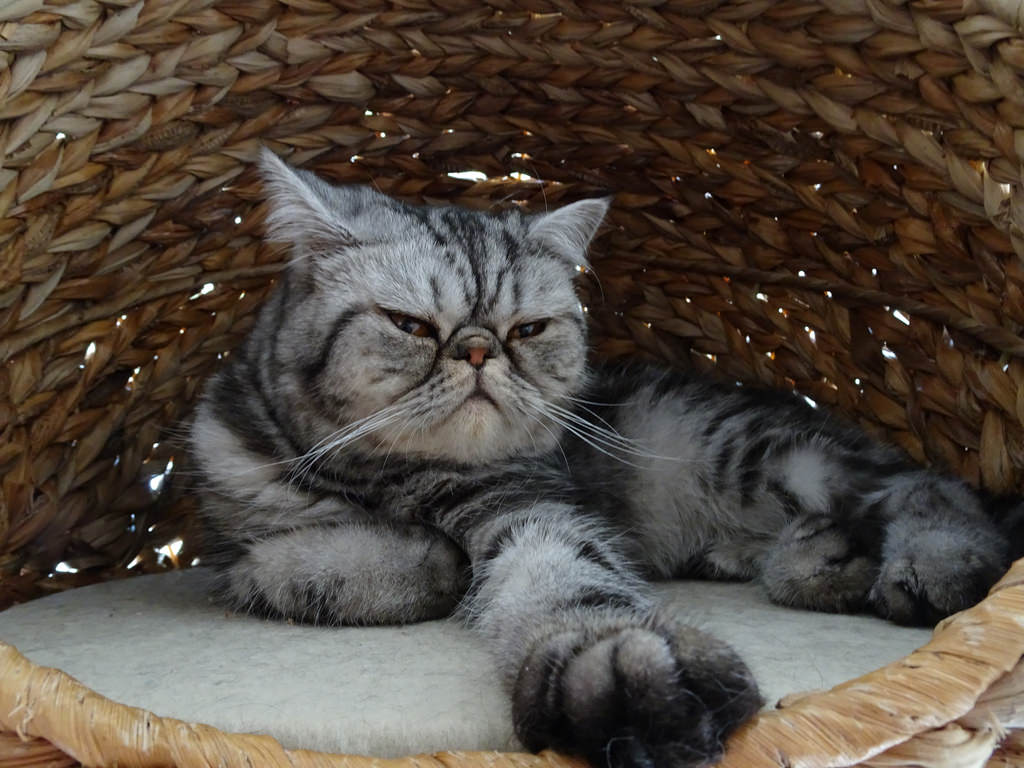
For Exotic Shorthair owners, understanding the unique needs of this breed is crucial for providing the best possible care. The Exotic Shorthair's dense, plush short coat requires moderate grooming to prevent matting and tangling, while their calm and gentle nature means they thrive in quiet, peaceful environments.
With a typical weight range of 7-14 pounds and a life span of 12-15 years, Exotic Shorthairs are a medium-sized breed that can make wonderful companions for owners who are willing to provide the necessary attention and care. Their flat face and brachycephalic airway also mean they can be prone to certain health issues, such as respiratory problems and tear staining.
As a low-energy breed, Exotic Shorthairs are well-suited to apartment living and don't require a lot of space to run around. However, they still need regular exercise and mental stimulation to stay happy and healthy.
Grooming Needs
Exotic Shorthairs have a moderate grooming needs due to their dense, plush short coat. Regular brushing is necessary to prevent matting and tangling, and to reduce shedding. Additionally, their flat face means they need regular wiping to prevent tear staining. Owners should also be prepared to clean their cat's face and eyes daily to prevent infection.
Exercise and Enrichment
Despite their low energy level, Exotic Shorthairs still need regular exercise and mental stimulation to stay happy and healthy. Playtime activities such as chasing a laser pointer or playing with feather toys can help keep them entertained and engaged. Owners should also consider providing puzzle toys and scratching posts to keep their cat's mind and body active.
Feeding Considerations
Exotic Shorthairs are a medium-sized breed and need a balanced diet that meets their nutritional needs. Owners should consider feeding a high-quality cat food that is rich in protein and low in carbohydrates. Additionally, due to their prone to dental disease, owners should consider feeding a dental-friendly diet and providing regular dental care.
Health Considerations
Exotic Shorthairs are prone to certain health issues, such as brachycephalic airway, PKD (kidney), tear staining, and dental disease. Owners should be aware of these potential health issues and take steps to prevent them, such as providing regular veterinary care and monitoring their cat's health closely.
Cost and Commitment
Owning an Exotic Shorthair can be a significant financial commitment, particularly due to their prone to costly health issues. Owners should be prepared to spend money on regular veterinary care, grooming, and supplies, and should consider investing in pet insurance to help cover unexpected expenses.
Exotic Shorthair FAQ
How often should I groom my Exotic Shorthair?
Exotic Shorthairs need regular grooming to prevent matting and tangling, and to reduce shedding. Owners should aim to brush their cat at least 2-3 times a week, and daily during shedding season.
Can Exotic Shorthairs be left alone for long periods of time?
While Exotic Shorthairs are calm and gentle, they still need regular attention and interaction. Owners should not leave their cat alone for long periods of time, and should consider providing puzzle toys and scratching posts to keep them entertained.
What kind of diet is best for my Exotic Shorthair?
Exotic Shorthairs need a balanced diet that meets their nutritional needs. Owners should consider feeding a high-quality cat food that is rich in protein and low in carbohydrates, and should consult with their veterinarian to determine the best diet for their cat.
How can I prevent tear staining in my Exotic Shorthair?
Tear staining can be prevented by regular wiping of the face and eyes, and by providing a clean and dry environment. Owners should also consider using a tear stain remover to help reduce staining.
Are Exotic Shorthairs prone to any specific health issues?
Yes, Exotic Shorthairs are prone to certain health issues, such as brachycephalic airway, PKD (kidney), tear staining, and dental disease. Owners should be aware of these potential health issues and take steps to prevent them, such as providing regular veterinary care and monitoring their cat's health closely.
Top picks for Exotic Shorthairs
- Best Treats for Exotic Shorthairs →
- Best Wet Food for Exotic Shorthairs →
- Best Litter for Exotic Shorthairs →
- Best Dry Food for Exotic Shorthairs →
- Best Litter Boxes for Exotic Shorthairs →
- Best Beds for Exotic Shorthairs →
- Best Water Fountains for Exotic Shorthairs →
- Best Brushes for Exotic Shorthairs →
- Best Dental Treats for Exotic Shorthairs →
- Best Nail Clippers for Exotic Shorthairs →
- Best Cat Trees for Exotic Shorthairs →
- Best Scratching Posts for Exotic Shorthairs →
- Best Toys for Exotic Shorthairs →
- Best Harnesses for Exotic Shorthairs →
- Best Calming Aids for Exotic Shorthairs →
- Best Carriers for Exotic Shorthairs →