Common Great Dane Health Issues to Watch For
By PetEssentialist Team · Updated June 2026 · How we review
We independently research and pick every product. When you buy through our links we may earn a commission, at no extra cost to you. How this works.
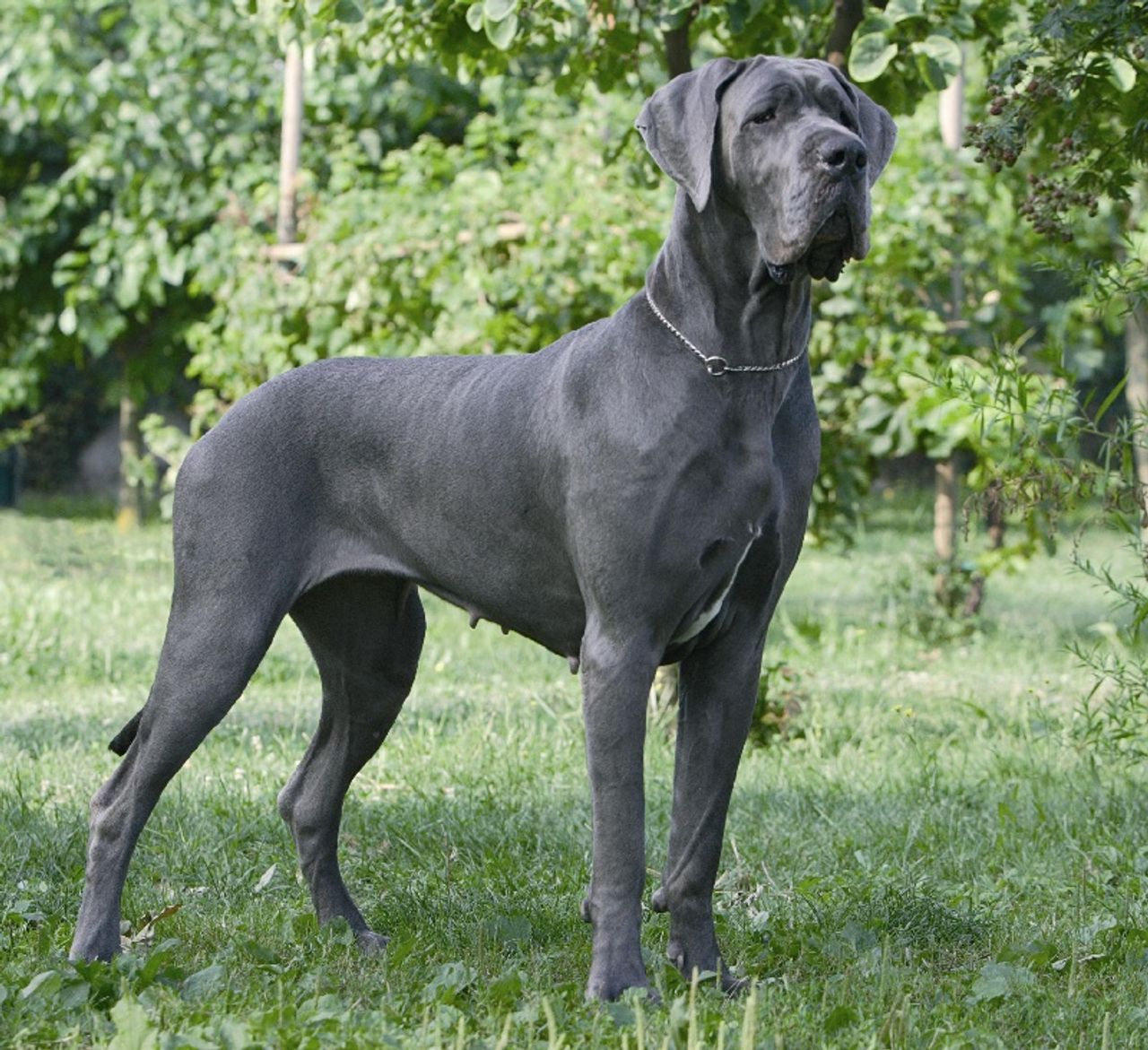
Despite their gentle nature, Great Danes are prone to several health issues that can significantly impact their quality of life. One surprising fact about Great Danes is that they are more likely to die from bloat than any other breed, with a mortality rate of up to 40%. This is due to their deep chest, which can easily become twisted and cut off blood flow. Great Danes are also giant breeds, weighing between 110-175 pounds, which puts additional stress on their joints and heart. Their short, single coat may be low maintenance, but it also offers little protection against the cold, making them sensitive to temperature extremes. With a lifespan of only 7-10 years, it's essential for Great Dane owners to be aware of the common health issues that can affect their pets and take preventative measures to ensure they live a long and healthy life.
What to look for
Monitor for Bloat
Great Dane owners should be aware of the signs of bloat, including restlessness, pacing, and difficulty breathing. If you suspect your dog has bloat, it's essential to seek veterinary attention immediately. Elevating their food and water bowls can also help reduce the risk of bloat. Additionally, avoiding exercise after meals and avoiding stressful situations can help prevent this life-threatening condition.
Support Joint Health
Great Danes are prone to joint issues due to their massive size, so it's crucial to provide them with orthopedic support and maintain a healthy weight. This can be achieved through regular exercise, a balanced diet, and providing a comfortable place to rest. Giant breeds like Great Danes require XL heavy-duty gear, including beds and crates, to ensure they have enough support and space.
Regular Veterinary Check-Ups
Regular check-ups with a veterinarian are vital for Great Danes, as they can help identify potential health issues before they become severe. A veterinarian can also provide guidance on how to prevent common health issues and recommend preventative measures, such as heart checks and joint supplements.
Protect from Cold
Great Danes are sensitive to cold temperatures due to their thin coat, so it's essential to provide them with a warm and comfortable place to rest. This can be achieved by providing a warm bed, limiting exposure to cold temperatures, and avoiding walks in extreme cold. Additionally, providing a coat or sweater can help keep them warm in cold weather.
Maintain a Healthy Weight
Maintaining a healthy weight is crucial for Great Danes, as excess weight can put additional stress on their joints and heart. A balanced diet and regular exercise can help achieve a healthy weight, and a veterinarian can provide guidance on the best diet and exercise plan for your Great Dane.
Frequently asked questions
What are the signs of bloat in Great Danes?
The signs of bloat in Great Danes include restlessness, pacing, and difficulty breathing. If you suspect your dog has bloat, it's essential to seek veterinary attention immediately.
How can I prevent joint issues in my Great Dane?
To prevent joint issues in your Great Dane, it's essential to provide them with orthopedic support, maintain a healthy weight, and provide regular exercise. A balanced diet and providing a comfortable place to rest can also help reduce the risk of joint issues.
Why are Great Danes prone to heart issues?
Great Danes are prone to heart issues, such as dilated cardiomyopathy (DCM), due to their giant size and deep chest. Regular check-ups with a veterinarian can help identify potential heart issues before they become severe.
Can Great Danes tolerate cold temperatures?
Great Danes are sensitive to cold temperatures due to their thin coat, so it's essential to provide them with a warm and comfortable place to rest. Limiting exposure to cold temperatures and avoiding walks in extreme cold can also help prevent cold-related health issues.
How often should I take my Great Dane to the veterinarian?
Regular check-ups with a veterinarian are vital for Great Danes, and it's recommended to take them at least twice a year. A veterinarian can help identify potential health issues before they become severe and provide guidance on how to prevent common health issues.
By being aware of the common health issues that can affect Great Danes and taking preventative measures, owners can help ensure their pets live a long and healthy life. Providing orthopedic support, maintaining a healthy weight, and protecting them from cold temperatures are essential for preventing common health issues. Consult with a veterinarian to determine the best care plan for your Great Dane and take action to prevent potential health issues.
More for your Great Dane
Other breed-matched picks worth a look.