Great Dane
The Great Dane is a giant dog known for being gentle, friendly, patient.
- Size
- giant
- Weight
- 110–175 lbs
- Life span
- 7–10 yrs
- Coat
- short single
- Shedding
- moderate
- Energy
- moderate
Health to watch for
Common breed predispositions — not a diagnosis. Always consult your vet.
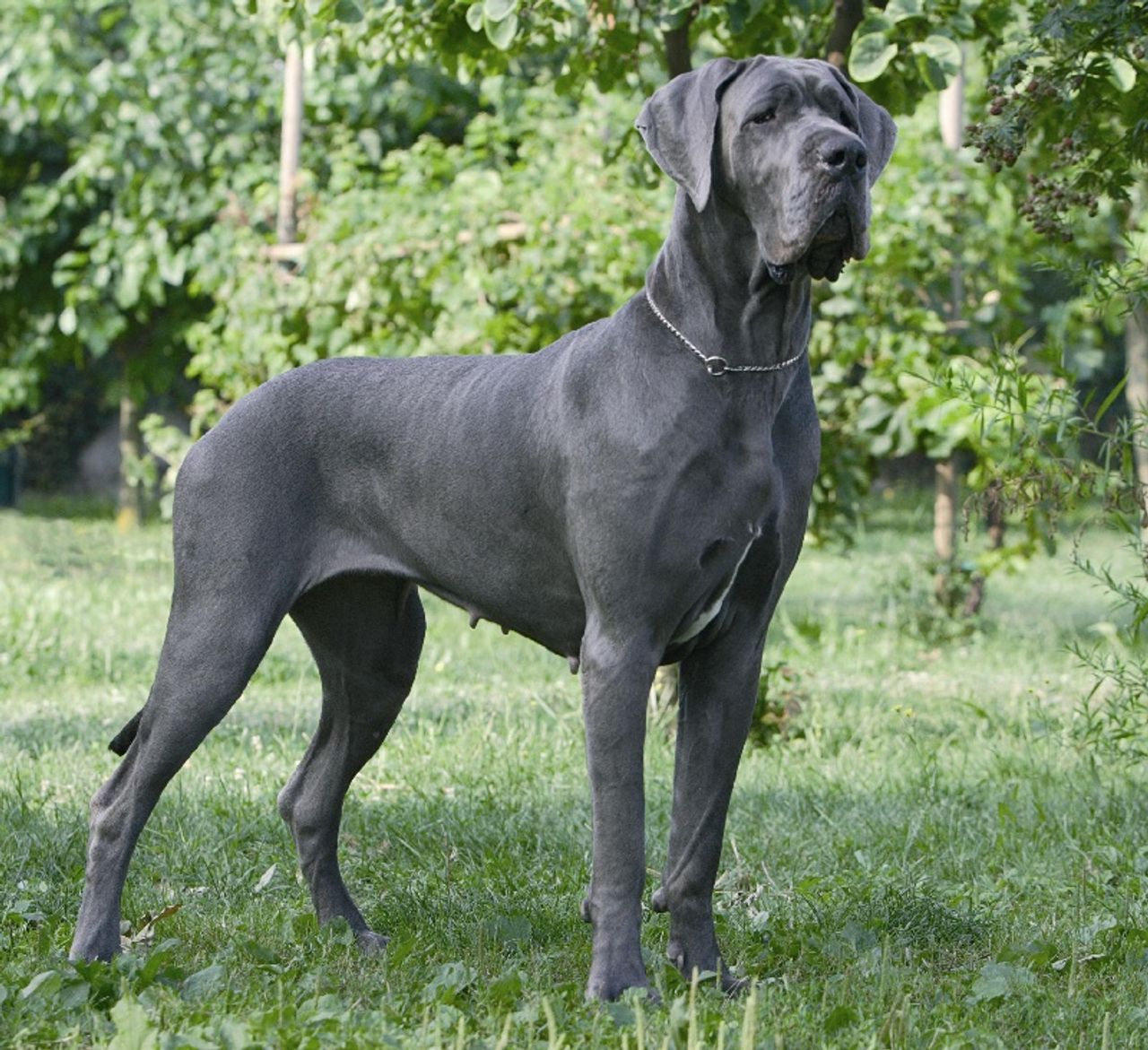
At 110-175 pounds, the Great Dane is one of the largest dog breeds, requiring a unique approach to care and management. Their giant size, combined with a moderate energy level, means they need plenty of space to move around and regular exercise to stay happy and healthy. Despite their massive size, Great Danes are known for their gentle, friendly, and patient nature, making them a great companion for many families.
Great Danes have a short, single coat that sheds moderately, requiring low-maintenance grooming. However, their thin coat makes them sensitive to cold temperatures, and their deep chest makes them prone to bloat, a potentially life-threatening condition. Understanding these specific needs is crucial to providing the best possible care for this breed.
With a lifespan of 7-10 years, Great Danes are a long-term commitment that requires careful consideration of their size, health, and temperament. By understanding their needs and taking steps to provide the right care, owners can help their Great Dane live a happy, healthy life.
Temperament and Training
Great Danes are gentle giants, but they still require consistent training and socialization to ensure they interact well with people and other animals. Positive reinforcement training methods are recommended, as they respond well to rewards and praise. Early socialization is also crucial to help them develop good manners and reduce the risk of fear-based behaviors.
Daily Care and Grooming
Great Danes have a short, single coat that requires minimal grooming, but they still need regular nail trimming, ear cleaning, and dental care. Their moderate energy level means they need daily exercise, such as short walks and playtime, to stay happy and healthy. Elevated bowls and orthopedic support are also essential to reduce the risk of bloat and joint issues.
Exercise and Enrichment
Great Danes need regular exercise to stay happy and healthy, but their moderate energy level means they don't require as much physical activity as some other breeds. Short walks, playtime, and mental stimulation are essential to prevent boredom and stress. Providing plenty of space to move around and engaging toys can help keep them entertained and exercised.
Feeding Considerations
Great Danes are prone to bloat, hip dysplasia, and heart issues, so a balanced diet that meets their nutritional needs is crucial. Owners should consult with their veterinarian to determine the best diet for their Great Dane, taking into account their age, size, and health status. Feeding multiple small meals throughout the day can also help reduce the risk of bloat.
Realistic Cost and Commitment
Owning a Great Dane is a significant financial commitment, with estimated annual costs ranging from $1,500 to $3,000. Additionally, their large size and potential health issues mean they require a lot of space, time, and attention. Owners should carefully consider their lifestyle and budget before bringing a Great Dane into their home.
Great Dane FAQ
How often should I exercise my Great Dane?
Great Danes need regular exercise, but their moderate energy level means they don't require as much physical activity as some other breeds. Aim for short walks and playtime, at least 30 minutes a day, and provide plenty of space to move around.
What's the best way to prevent bloat in my Great Dane?
To reduce the risk of bloat, feed your Great Dane multiple small meals throughout the day, and avoid exercising them after meals. Elevated bowls and orthopedic support can also help reduce the risk of bloat. Consult with your veterinarian for personalized advice.
Can Great Danes live in small apartments?
While Great Danes can adapt to apartment living, their large size and moderate energy level mean they require plenty of space to move around. If you live in a small apartment, consider providing a large, enclosed area for your Great Dane to exercise and play.
How often should I groom my Great Dane?
Great Danes have a short, single coat that requires minimal grooming. However, they still need regular nail trimming, ear cleaning, and dental care. Aim to groom your Great Dane at least once a week, and consult with your veterinarian for personalized advice.
What's the average lifespan of a Great Dane?
The average lifespan of a Great Dane is 7-10 years, but with proper care and attention, some Great Danes have been known to live up to 12 years or more. Regular veterinary check-ups, a balanced diet, and plenty of exercise can help ensure your Great Dane lives a long, happy life.
Top picks for Great Danes
- Best Treats for Great Danes →
- Best Dental Chews for Great Danes →
- Best Beds for Great Danes →
- Best Collars for Great Danes →
- Best Food for Great Danes →
- Best Nail Clippers for Great Danes →
- Best Harnesses for Great Danes →
- Best Crates for Great Danes →
- Best Brushes for Great Danes →
- Best Chew Toys for Great Danes →
- Best Leashes for Great Danes →
- Best Shampoo for Great Danes →
- Best Joint Supplements for Great Danes →
- Best Jackets & Coats for Great Danes →
- Best Toys for Great Danes →
- Best Ear Cleaners for Great Danes →
- Best Training Pads for Great Danes →
- Best Cooling Mats for Great Danes →