Common Greyhound Health Issues to Watch For
By PetEssentialist Team · Updated July 2026 · How we review
We independently research and pick every product. When you buy through our links we may earn a commission, at no extra cost to you. How this works.
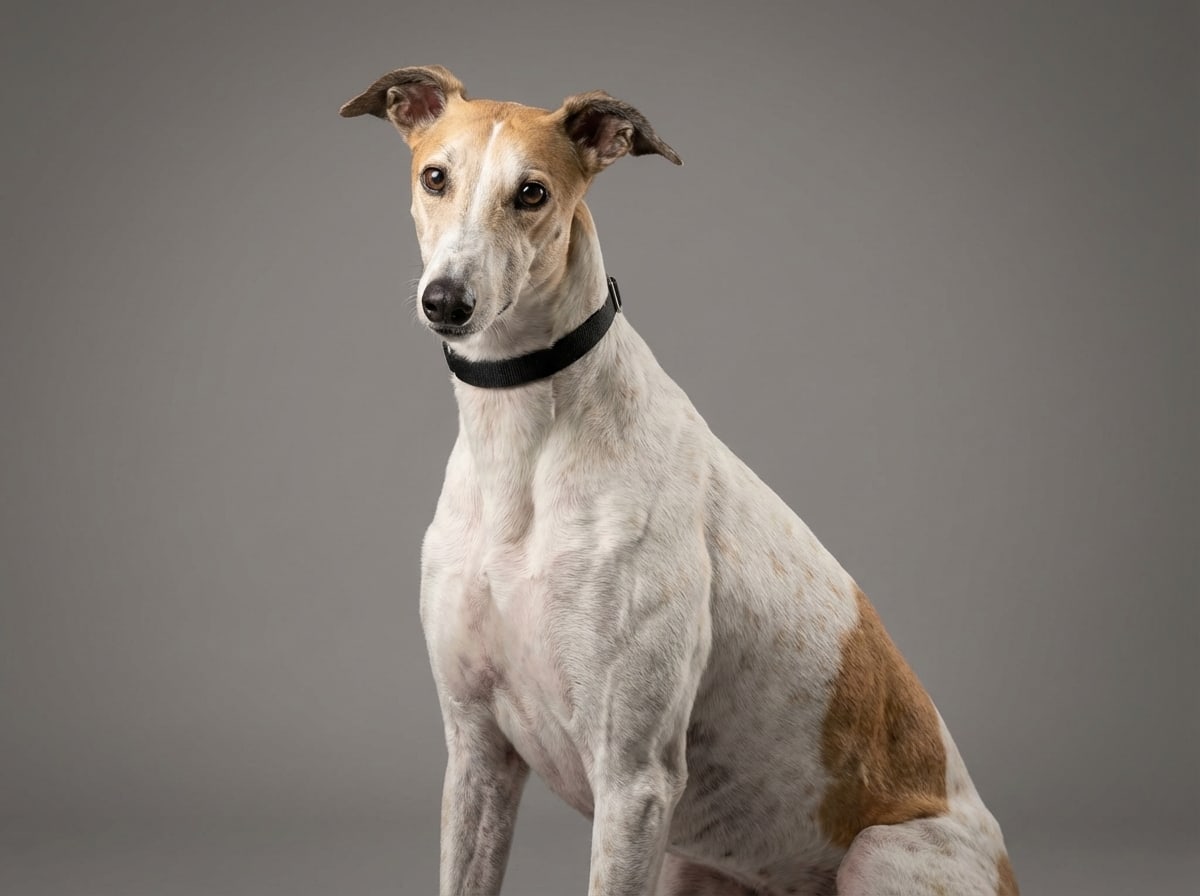
Greyhounds are bred for speed, but their slender build and short coats can make them more susceptible to certain health issues. Their large size and moderate energy level mean they require regular exercise, but also plenty of rest to avoid injury. As a Greyhound owner, it's essential to be aware of the potential health issues that can affect this breed, such as bloat, anesthesia sensitivity, and osteosarcoma, to ensure they live a long and healthy life. With their gentle and affectionate nature, Greyhounds make wonderful companions, but their independent streak means they can be prone to hiding pain or discomfort. Regular check-ups and a keen eye for changes in behavior or physical condition can help prevent minor issues from becoming major problems. By understanding the specific health needs of Greyhounds, owners can take proactive steps to prevent common issues and ensure their dog stays healthy and happy throughout their 10-13 year lifespan.
What to look for
Monitor for Bloat
Greyhounds are at risk of bloat, a life-threatening condition that requires immediate veterinary attention. To minimize this risk, owners should feed their Greyhound smaller, more frequent meals and avoid exercising them after eating. It's also essential to recognize the signs of bloat, such as restlessness, drooling, and a swollen abdomen, and seek veterinary help promptly if they occur.
Anesthesia Sensitivity
Greyhounds are sensitive to anesthesia, which can increase the risk of complications during surgery. Owners should discuss their dog's anesthesia sensitivity with their veterinarian before any procedure and ensure that the vet has experience with Greyhounds. Regular dental care can also help reduce the need for surgical procedures.
Osteosarcoma Prevention
Osteosarcoma is a common health issue in Greyhounds, and while it can't be prevented entirely, owners can reduce the risk by maintaining their dog's healthy weight and providing regular exercise. A balanced diet and avoiding excessive jumping or high-impact activities can also help minimize the risk of osteosarcoma.
Dental Care
Greyhounds are prone to dental disease, which can lead to more severe health issues if left untreated. Regular brushing and veterinary dental cleanings can help prevent tartar buildup and reduce the risk of dental problems. Owners should also monitor their dog's teeth and gums for signs of disease, such as bad breath, yellow teeth, or red gums.
Cold Weather Precautions
Greyhounds have thin skin and low body fat, making them sensitive to cold temperatures. Owners should take precautions to keep their dog warm in cold weather, such as providing a coat or sweater, and limiting exercise to avoid hypothermia. Regular checks for signs of cold stress, such as shivering or lethargy, can also help prevent serious health issues.
Frequently asked questions
How often should I take my Greyhound to the vet?
Regular check-ups with a veterinarian are essential to monitor your Greyhound's health and catch any potential issues early. The frequency of visits will depend on your dog's age, health, and lifestyle, but as a general rule, Greyhounds should have a check-up at least twice a year.
What are the signs of bloat in Greyhounds?
The signs of bloat in Greyhounds can be subtle, but owners should look out for restlessness, drooling, and a swollen abdomen. If you suspect your dog has bloat, it's essential to seek veterinary help promptly, as this condition can be life-threatening if left untreated.
Can Greyhounds be allergic to certain foods?
Yes, Greyhounds can be allergic to certain foods, which can cause skin issues, digestive problems, or ear infections. If you suspect your dog has a food allergy, consult with your veterinarian to determine the best course of action and potentially switch to a hypoallergenic diet.
How can I prevent osteosarcoma in my Greyhound?
While osteosarcoma can't be prevented entirely, owners can reduce the risk by maintaining their dog's healthy weight, providing regular exercise, and avoiding excessive jumping or high-impact activities. A balanced diet and regular check-ups with a veterinarian can also help minimize the risk of osteosarcoma.
What are the risks of anesthesia in Greyhounds?
Greyhounds are sensitive to anesthesia, which can increase the risk of complications during surgery. Owners should discuss their dog's anesthesia sensitivity with their veterinarian before any procedure and ensure that the vet has experience with Greyhounds to minimize the risks.
By understanding the specific health needs of Greyhounds and taking proactive steps to prevent common issues, owners can help their dog live a long and healthy life. Regular check-ups, a balanced diet, and plenty of exercise and rest can go a long way in preventing health problems, and owners should be vigilant for signs of illness or injury to ensure their Greyhound receives the best possible care.
More for your Greyhound
Other breed-matched picks worth a look.