Greyhound
The Greyhound is a large dog known for being gentle, quiet, affectionate.
- Size
- large
- Weight
- 60–70 lbs
- Life span
- 10–13 yrs
- Coat
- short smooth
- Shedding
- low
- Energy
- moderate
Health to watch for
Common breed predispositions — not a diagnosis. Always consult your vet.
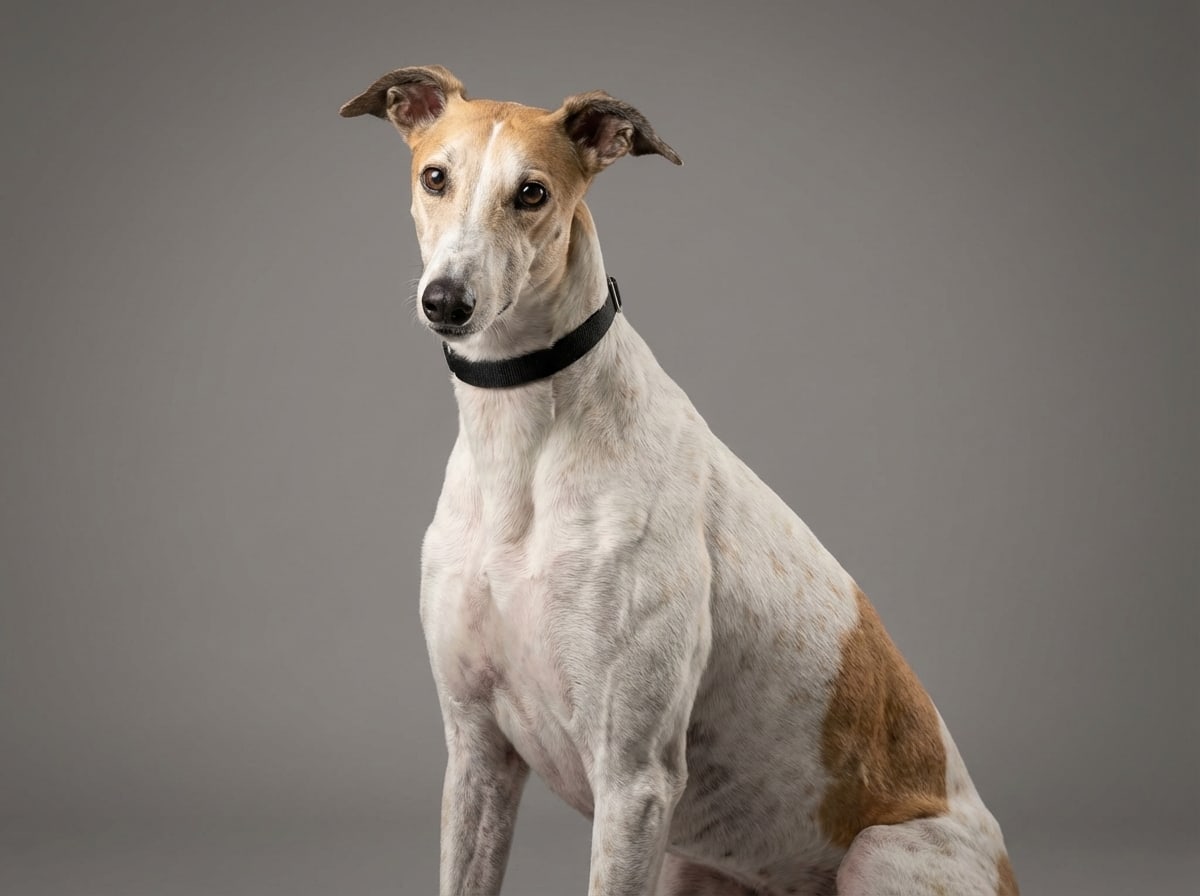
Greyhounds are bred for speed, but they spend most of their time lounging. In fact, they can sleep up to 18 hours a day. Despite their athletic ability, they are gentle, quiet, and affectionate companions. Their short, smooth coats require minimal grooming, making them a great choice for busy owners.
With their moderate energy level, Greyhounds need regular exercise to stay happy and healthy. However, their thin skin and low body fat make them sensitive to cold and anesthesia. As a result, owners need to take extra precautions to ensure their Greyhound's safety and comfort.
Greyhounds are prone to certain health issues, such as bloat, anesthesia sensitivity, and osteosarcoma, which can impact their quality of life and lifespan. By understanding these needs and potential health concerns, owners can provide the best possible care for their Greyhound.
Temperament and Personality
Greyhounds are known for their gentle and affectionate nature, making them a great choice for families with children. However, they can be independent and strong-willed at times, requiring patient and consistent training. With positive reinforcement and socialization, Greyhounds can thrive in a variety of living situations.
Daily Care and Grooming
Greyhounds have a short, smooth coat that requires minimal grooming. A weekly brush and occasional nail trim are all that's needed to keep them looking their best. However, their thin skin and low body fat make them sensitive to extreme temperatures and weather conditions.
Exercise and Enrichment
Greyhounds are sprinters, not marathon runners. They require regular, short bursts of exercise to stay happy and healthy. A daily walk and playtime in a securely fenced area are essential to prevent boredom and stress. Mental stimulation, such as puzzle toys and scent work, can also help to enrich their lives.
Feeding Considerations
Greyhounds are large breed dogs with moderate energy levels, requiring a balanced diet that meets their nutritional needs. They are prone to bloat, so it's essential to feed them multiple small meals throughout the day and avoid exercise after eating. A high-quality dog food that's rich in protein and moderate in fat is recommended.
Realistic Cost and Commitment
Owning a Greyhound can come with significant costs, including veterinary care, food, and supplies. Potential owners should consider the financial commitment involved in caring for a Greyhound, including the cost of preventive care and potential health issues. With a lifespan of 10-13 years, owning a Greyhound is a long-term commitment that requires careful planning and dedication.
Greyhound FAQ
How often should I exercise my Greyhound?
Greyhounds require regular, short bursts of exercise to stay happy and healthy. A daily walk and playtime in a securely fenced area are essential to prevent boredom and stress. Aim for at least 30 minutes of exercise per day, divided into multiple short sessions.
Why is my Greyhound so sensitive to cold?
Greyhounds have thin skin and low body fat, making them sensitive to extreme temperatures and weather conditions. They may need a coat or sweater in cold weather and should be kept indoors during harsh weather conditions.
Can Greyhounds be left alone for long periods?
Greyhounds are social dogs that thrive on attention and interaction. While they can be left alone for short periods, they should not be left alone for extended periods without proper exercise, socialization, and mental stimulation.
How can I prevent bloat in my Greyhound?
Bloat is a common health issue in Greyhounds, and prevention is key. Feed your Greyhound multiple small meals throughout the day, avoid exercise after eating, and monitor their behavior for signs of distress.
Are Greyhounds good with children?
Greyhounds are known for their gentle and affectionate nature, making them a great choice for families with children. However, as with any breed, it's essential to socialize your Greyhound to children and teach children how to interact with dogs safely and respectfully.
Top picks for Greyhounds
- Best Leashes for Greyhounds →
- Best Food for Greyhounds →
- Best Crates for Greyhounds →
- Best Treats for Greyhounds →
- Best Dental Chews for Greyhounds →
- Best Collars for Greyhounds →
- Best Shampoo for Greyhounds →
- Best Beds for Greyhounds →
- Best Harnesses for Greyhounds →
- Best Toys for Greyhounds →
- Best Brushes for Greyhounds →
- Best Cooling Mats for Greyhounds →
- Best Chew Toys for Greyhounds →
- Best Joint Supplements for Greyhounds →
- Best Training Pads for Greyhounds →
- Best Ear Cleaners for Greyhounds →
- Best Nail Clippers for Greyhounds →
- Best Jackets & Coats for Greyhounds →