Common Keeshond Health Issues to Watch For
By PetEssentialist Team · Updated July 2026 · How we review
We independently research and pick every product. When you buy through our links we may earn a commission, at no extra cost to you. How this works.
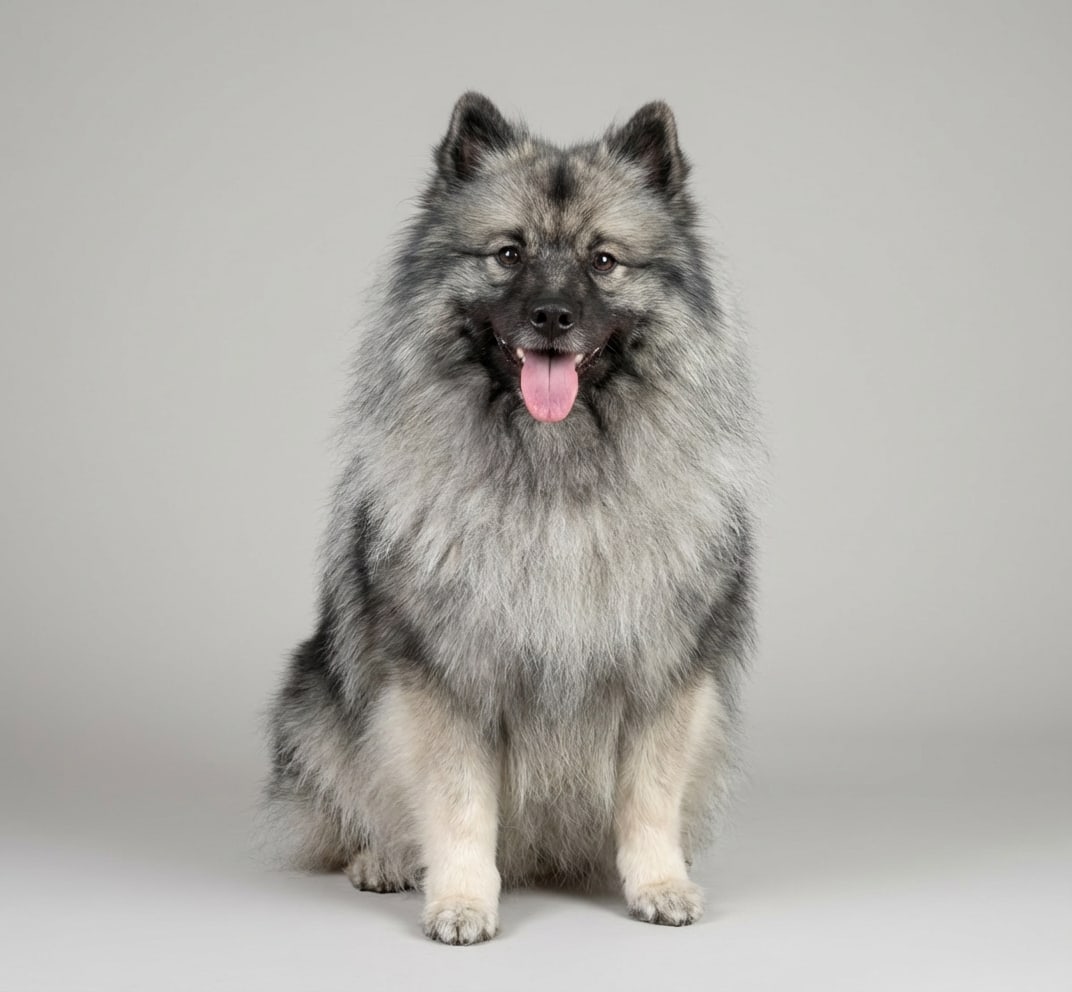
On a chilly winter morning, a Keeshond's thick double coat can be a beautiful sight, but it also sheds heavily, requiring regular brushing to prevent matting. As a Keeshond owner, it's essential to be aware of the potential health issues that can affect this friendly and lively breed. With their moderate energy level and affectionate nature, Keeshonds make great companions, but they can be prone to certain health problems, such as hip dysplasia, patellar luxation, hypothyroidism, and epilepsy. Regular grooming is not only necessary for their coat but also provides an opportunity to monitor their overall health. By being proactive and vigilant, owners can help prevent or identify potential issues early on. A well-cared-for Keeshond can thrive and enjoy a long, happy life of 12-15 years, bringing joy and companionship to their families. To ensure the best possible health for their Keeshond, owners should be aware of the common health issues that can affect this breed and take steps to prevent or manage them. This guide will provide a comprehensive overview of the key health issues to watch out for and offer practical advice on everyday prevention and when to consult a veterinarian.
What to look for
Regular Grooming
Regular brushing is essential for Keeshonds to prevent matting and tangling of their thick double coat. This also provides an opportunity to monitor their overall health, checking for signs of skin problems or other issues. Aim to brush your Keeshond at least 2-3 times a week, and consider daily brushing during shedding season. Regular grooming can help reduce the risk of skin problems and make it easier to identify potential health issues early on.
Monitoring Joint Health
Keeshonds are prone to hip dysplasia and patellar luxation, so it's crucial to monitor their joint health. Keep an eye out for signs of pain or discomfort, such as limping or reluctance to exercise. Provide a comfortable and supportive environment, including a suitable bed and regular exercise to maintain joint mobility. Avoid excessive jumping or high-impact activities, which can put additional strain on their joints.
Maintaining a Healthy Weight
Keeshonds can be prone to obesity, which can exacerbate health issues such as hip dysplasia and hypothyroidism. Monitor your Keeshond's food intake and ensure they are getting regular exercise to maintain a healthy weight. Aim for at least 30 minutes of moderate exercise per day, and consider consulting with a veterinarian or canine nutritionist to determine the best diet for your Keeshond.
Watching for Signs of Hypothyroidism
Hypothyroidism is a common health issue in Keeshonds, and it's essential to be aware of the signs, which can include weight gain, skin problems, and hair loss. Monitor your Keeshond's overall health and consult with a veterinarian if you notice any of these symptoms. Regular blood tests can help identify hypothyroidism early on, and treatment can help manage the condition.
Being Aware of Seizure Disorders
Epilepsy is a potential health issue in Keeshonds, and it's crucial to be aware of the signs, which can include seizures, convulsions, and loss of consciousness. If you suspect your Keeshond is having a seizure, stay calm and seek veterinary attention immediately. Consult with a veterinarian to determine the best course of action and develop a plan to manage the condition.
Frequently asked questions
How often should I take my Keeshond to the vet?
Regular check-ups with a veterinarian are essential to monitor your Keeshond's health and catch any potential issues early on. Aim for at least one check-up per year, and more frequently if your Keeshond has a pre-existing health condition. Additionally, consult with a veterinarian if you notice any signs of illness or discomfort in your Keeshond.
Can I prevent hip dysplasia in my Keeshond?
While it's not possible to completely prevent hip dysplasia, you can take steps to reduce the risk. Maintain a healthy weight, provide regular exercise, and avoid excessive jumping or high-impact activities. Consult with a veterinarian to determine the best course of action for your Keeshond.
How can I tell if my Keeshond has hypothyroidism?
Signs of hypothyroidism in Keeshonds can include weight gain, skin problems, and hair loss. Monitor your Keeshond's overall health and consult with a veterinarian if you notice any of these symptoms. Regular blood tests can help identify hypothyroidism early on, and treatment can help manage the condition.
What are the signs of a seizure in a Keeshond?
Signs of a seizure in a Keeshond can include convulsions, loss of consciousness, and unusual behavior. If you suspect your Keeshond is having a seizure, stay calm and seek veterinary attention immediately. Consult with a veterinarian to determine the best course of action and develop a plan to manage the condition.
Can I manage my Keeshond's health issues on my own?
While it's essential to be proactive and vigilant about your Keeshond's health, it's not recommended to manage health issues on your own. Consult with a licensed veterinarian for professional advice and guidance on managing your Keeshond's health. They can provide personalized recommendations and help you develop a plan to ensure the best possible health for your Keeshond.
By being aware of the common health issues that can affect Keeshonds and taking proactive steps to prevent or manage them, owners can help their dogs live long, happy, and healthy lives. Prioritize regular grooming, monitoring joint health, maintaining a healthy weight, watching for signs of hypothyroidism, and being aware of seizure disorders to ensure the best possible health for your Keeshond. Consult with a licensed veterinarian for personalized advice and guidance on managing your Keeshond's health.
More for your Keeshond
Other breed-matched picks worth a look.