Keeshond
The Keeshond is a medium dog known for being friendly, lively, affectionate.
- Size
- medium
- Weight
- 35–45 lbs
- Life span
- 12–15 yrs
- Coat
- thick double
- Shedding
- high
- Energy
- moderate
Health to watch for
Common breed predispositions — not a diagnosis. Always consult your vet.
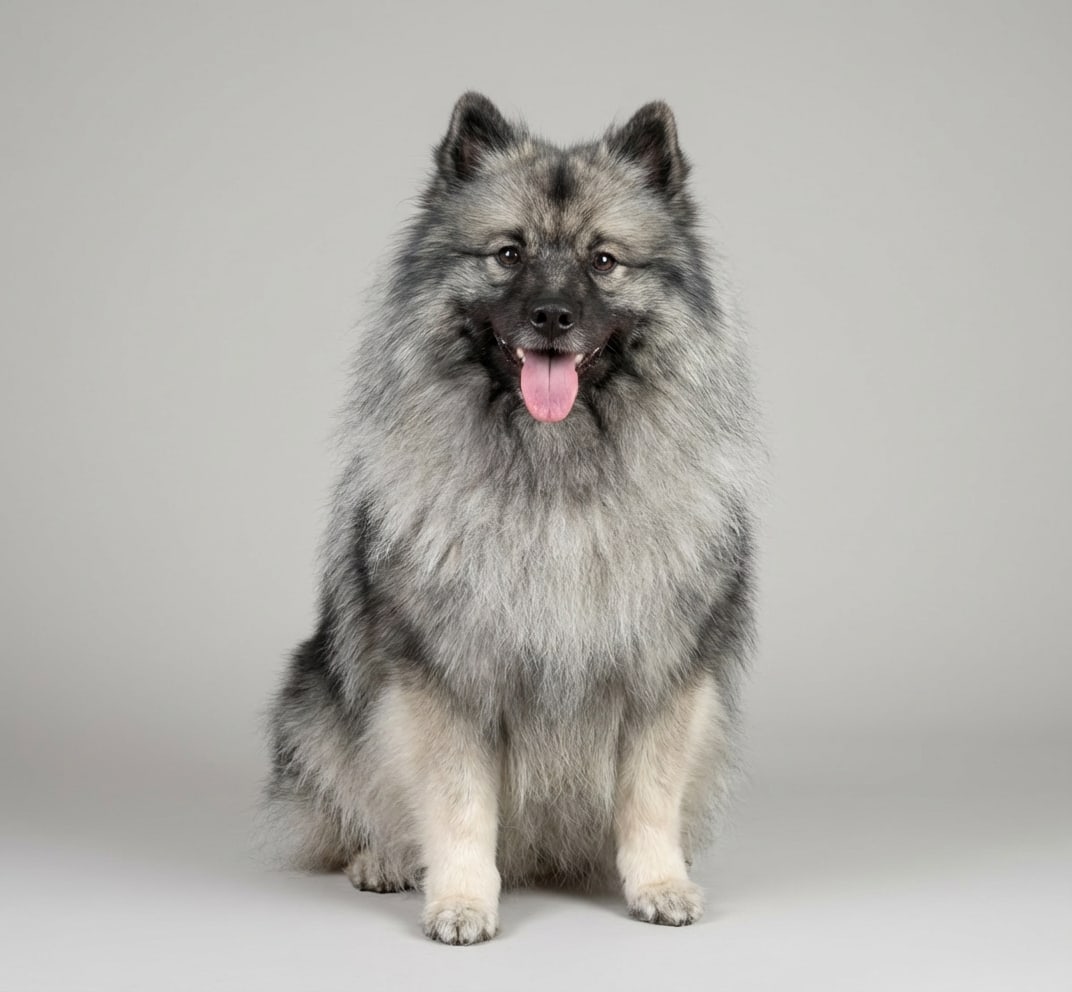
A Keeshond's thick double coat requires regular brushing to prevent matting and tangling, making grooming a top priority for this breed. The Keeshond's friendly, lively, and affectionate temperament also demands attention and interaction from their owners. With a moderate energy level, Keeshonds need daily exercise and mental stimulation to stay happy and healthy.
As a medium-sized breed, Keeshonds are prone to certain health issues, including hip dysplasia, patellar luxation, and hypothyroidism, which can impact their quality of life and owner expenses. Regular veterinary check-ups and a balanced diet are crucial to preventing or managing these conditions. Keeshonds are also known to shed heavily, so owners should be prepared for regular cleaning and grooming sessions.
With their high grooming needs and potential health issues, Keeshond ownership requires a significant time and financial commitment. However, for the right owner, the rewards of Keeshond companionship far outweigh the challenges.
Grooming Needs
Keeshonds require regular brushing to prevent matting and tangling of their thick double coat. Daily brushing is recommended, with extra attention during shedding season. A slicker brush or pin brush is ideal for removing tangles and preventing matting. Regular grooming also helps to reduce shedding and prevent hair from getting everywhere.
Exercise and Enrichment
Keeshonds have a moderate energy level, requiring daily exercise and mental stimulation to stay happy and healthy. A daily walk or playtime in the yard is essential, along with interactive toys and puzzle games to challenge their minds. Keeshonds also enjoy agility training and obedience exercises, which can help to burn off energy and strengthen the bond between dog and owner.
Feeding Considerations
Keeshonds are prone to certain health issues, such as hip dysplasia and obesity, which can be managed through a balanced diet. A high-quality dog food that is rich in protein and moderate in fat is recommended, along with regular monitoring of food intake to prevent overeating. Keeshonds may also benefit from supplements, such as joint support or omega-3 fatty acids, to promote overall health and well-being.
Health Considerations
Keeshonds are prone to certain health issues, including hip dysplasia, patellar luxation, and hypothyroidism. Regular veterinary check-ups are crucial to monitoring their health and detecting any potential issues early on. Keeshonds may also require regular testing for certain health conditions, such as thyroid function or joint health.
Cost and Commitment
Keeshond ownership requires a significant time and financial commitment, including regular grooming, veterinary care, and supplies. Owners should be prepared to spend several hours per week grooming and exercising their Keeshond, along with a significant budget for food, veterinary care, and supplies. However, for the right owner, the rewards of Keeshond companionship far outweigh the challenges.
Keeshond FAQ
How often should I brush my Keeshond's coat?
Daily brushing is recommended to prevent matting and tangling of your Keeshond's thick double coat. During shedding season, you may need to brush your Keeshond multiple times per day to remove loose hair.
Can Keeshonds be left alone for long periods?
Keeshonds are social dogs that thrive on attention and interaction from their owners. While they can be left alone for short periods, they should not be left alone for extended periods of time, as this can lead to separation anxiety and other behavioral problems.
What health issues are Keeshonds prone to?
Keeshonds are prone to certain health issues, including hip dysplasia, patellar luxation, and hypothyroidism. Regular veterinary check-ups and a balanced diet can help to prevent or manage these conditions.
How much exercise does a Keeshond need?
Keeshonds have a moderate energy level, requiring daily exercise and mental stimulation to stay happy and healthy. A daily walk or playtime in the yard is essential, along with interactive toys and puzzle games to challenge their minds.
Are Keeshonds good with children?
Keeshonds are generally good with children, especially if socialized from an early age. However, as with any breed, it's essential to supervise interactions between dogs and children, and teach children how to interact with dogs safely and gently.
Top picks for Keeshonds
- Best Dental Chews for Keeshonds →
- Best Food for Keeshonds →
- Best Harnesses for Keeshonds →
- Best Brushes for Keeshonds →
- Best Leashes for Keeshonds →
- Best Collars for Keeshonds →
- Best Shampoo for Keeshonds →
- Best Chew Toys for Keeshonds →
- Best Toys for Keeshonds →
- Best Nail Clippers for Keeshonds →
- Best Joint Supplements for Keeshonds →
- Best Treats for Keeshonds →
- Best Beds for Keeshonds →
- Best Crates for Keeshonds →
- Best Ear Cleaners for Keeshonds →
- Best Training Pads for Keeshonds →
- Best Jackets & Coats for Keeshonds →
- Best Cooling Mats for Keeshonds →