Common Maltese Health Issues to Watch For
By PetEssentialist Team · Updated June 2026 · How we review
We independently research and pick every product. When you buy through our links we may earn a commission, at no extra cost to you. How this works.
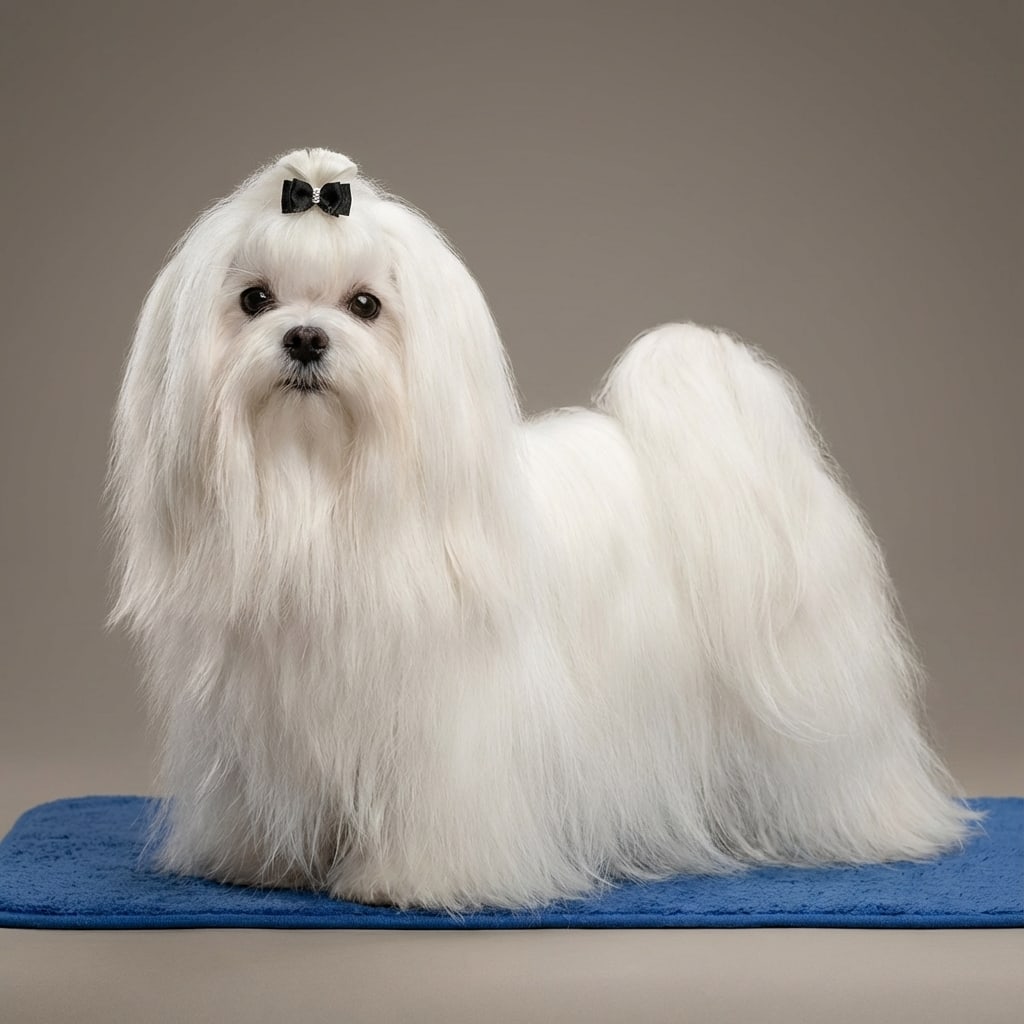
Daily grooming is essential for the Maltese, given their long, silky coats that require regular attention to prevent matting and tangling. This high-maintenance coat, combined with their small size and moderate energy level, makes them a breed that thrives on careful care and attention. Their gentle, playful, and affectionate nature makes them a joy to be around, but it also means they can be prone to certain health issues, such as dental disease, patellar luxation, and collapsing trachea, which can be exacerbated by their size and temperament. As a Maltese owner, being aware of these potential issues and taking proactive steps to prevent them can help ensure a long and healthy life for their pet, which can range from 12 to 15 years with proper care.
What to look for
Grooming and Dental Care
The Maltese requires daily grooming to prevent matting and tangling of their coat, and regular dental care to prevent dental disease. This includes brushing their teeth daily and providing dental chews or toys to help reduce tartar buildup. Regular grooming sessions can also help identify any potential health issues early on, such as tear staining or skin irritations.
Exercise and Activity
While the Maltese has a moderate energy level, they still require regular exercise to stay healthy and happy. This can include short walks, playtime in the yard, or indoor play with toys. However, it's essential to avoid over-exercising, as this can put strain on their joints and trachea.
Harness and Leash Care
Given the Maltese's sensitive trachea, it's crucial to use a harness instead of a collar when walking them. This can help reduce the risk of tracheal collapse and make walking more comfortable for the dog. Additionally, choosing a harness that fits properly and is designed for small breeds can help prevent chafing and irritation.
Monitoring for Health Issues
Regular monitoring for signs of health issues, such as dental disease, patellar luxation, or collapsing trachea, is essential for catching any potential problems early on. This includes keeping an eye out for changes in appetite, vomiting, or difficulty breathing, and consulting a veterinarian if any concerns arise.
Veterinary Care
Regular veterinary check-ups are vital for maintaining the health and wellbeing of the Maltese. This includes annual check-ups, as well as any additional visits if health issues arise. By working closely with a veterinarian, owners can help identify potential problems early on and take proactive steps to prevent them.
Frequently asked questions
How often should I groom my Maltese?
Daily grooming is essential for the Maltese, including brushing their coat and cleaning their eyes and ears. Regular grooming sessions can help prevent matting and tangling, as well as identify any potential health issues early on.
What are the signs of dental disease in Maltese?
Signs of dental disease in Maltese can include bad breath, yellow or brown teeth, and red or inflamed gums. Regular dental care, including brushing and providing dental chews or toys, can help reduce the risk of dental disease.
Can Maltese be walked on a leash like other breeds?
While Maltese can be walked on a leash, it's essential to use a harness instead of a collar to reduce the risk of tracheal collapse. Choosing a harness that fits properly and is designed for small breeds can also help prevent chafing and irritation.
How can I prevent tear staining in my Maltese?
Regular grooming, including cleaning the eyes and face, can help reduce the risk of tear staining in Maltese. Additionally, providing a balanced diet and ensuring access to fresh water can help reduce the risk of tear staining.
What are the signs of a collapsing trachea in Maltese?
Signs of a collapsing trachea in Maltese can include coughing, wheezing, or difficulty breathing. If any of these signs are observed, it's essential to consult a veterinarian immediately, as a collapsing trachea can be a life-threatening condition.
By prioritizing daily grooming, regular veterinary care, and careful attention to potential health issues, Maltese owners can help ensure a long and healthy life for their pet. For owners who are new to the breed, working closely with a veterinarian and following a regular care routine can help prevent common health issues and ensure a strong bond between owner and pet. Regular monitoring and preventative care are key to a happy and healthy Maltese.
More for your Maltese
Other breed-matched picks worth a look.