Maltese
The Maltese is a toy dog known for being gentle, playful, affectionate.
- Size
- toy
- Weight
- 4–7 lbs
- Life span
- 12–15 yrs
- Coat
- long silky single
- Shedding
- low
- Energy
- moderate
Health to watch for
Common breed predispositions — not a diagnosis. Always consult your vet.
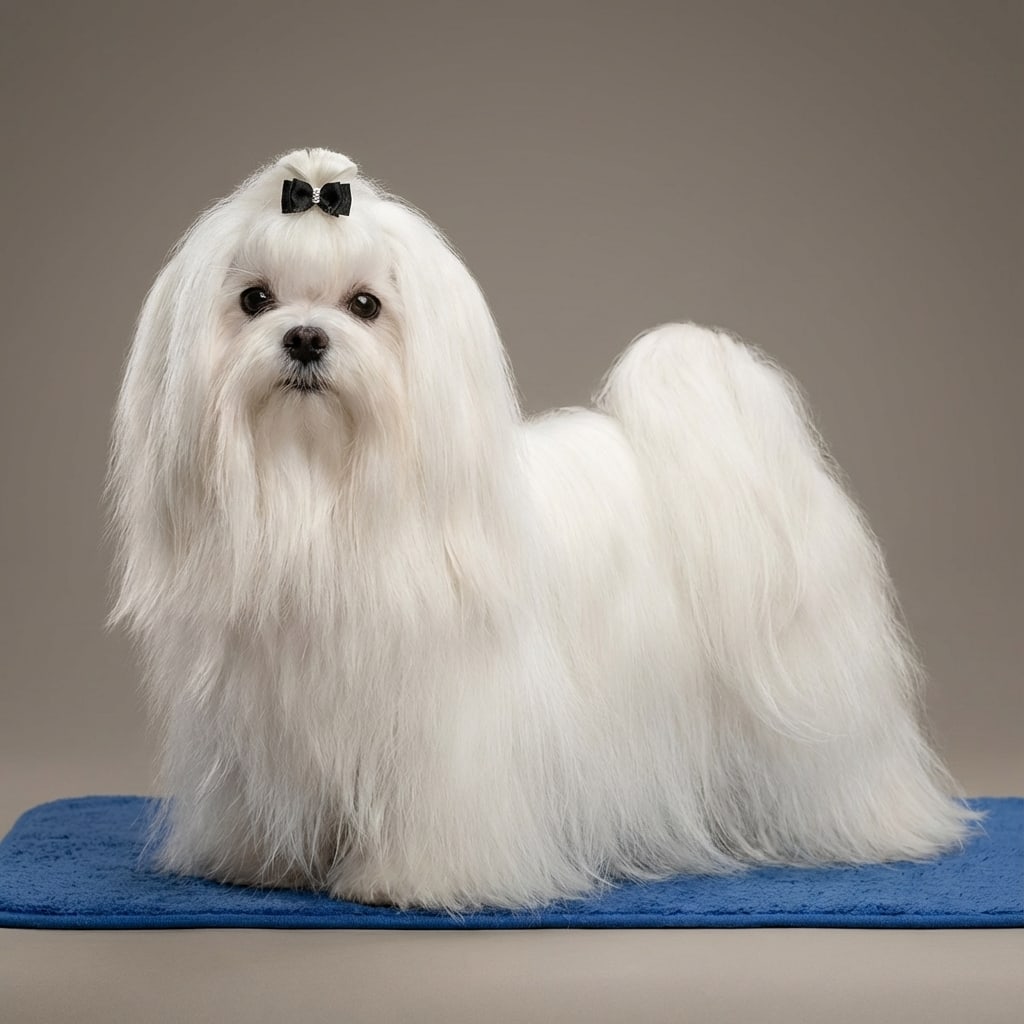
A Maltese owner's daily routine often begins with gentle untangling of their dog's silky coat, a crucial task to prevent matting and knotting. As they work out the tangles, they're reminded of the breed's high grooming needs, a hallmark of the Maltese's beautiful, flowing white locks.
With their moderate energy level, Maltese dogs require regular exercise to stay happy and healthy, but their small size means they don't need to run marathons. A short walk or playtime indoors can be enough to keep them entertained and fulfilled.
As a toy breed, Maltese dogs are prone to certain health issues, such as dental disease, patellar luxation, and collapsing trachea, making regular veterinary check-ups essential. Their fearless and affectionate nature also means they thrive on attention and interaction with their owners, making them wonderful companions.
Temperament and Training
Maltese dogs are known for their gentle and playful personalities, making them a great fit for families with children or for people who want a low-maintenance companion. They can be fearless, so early socialization and training are crucial to develop good behavior. Positive reinforcement techniques work well with this breed, as they respond to praise and rewards.
Grooming and Coat Care
The Maltese's long, silky coat requires daily grooming to prevent matting and tangling. Regular brushing and combing are essential, and owners should also trim their dog's coat every 6-8 weeks to prevent overgrowth. Additionally, cleaning the face and eyes daily can help reduce tear staining.
Exercise and Enrichment
Maltese dogs need moderate exercise to stay happy and healthy, but their small size means they don't require a lot of space to run around. Short walks, playtime indoors, and interactive toys can provide enough physical and mental stimulation. Owners should also consider providing plenty of opportunities for socialization and training to keep their Maltese engaged and active.
Feeding and Nutrition
As a small breed, Maltese dogs have specific dietary needs that owners should consider. They require high-quality, nutrient-rich food that is formulated for their size and age. Owners should also be mindful of their dog's weight, as obesity can exacerbate health issues such as patellar luxation and dental disease.
Health and Veterinary Care
Maltese dogs are prone to certain health issues, such as dental disease, patellar luxation, and collapsing trachea. Regular veterinary check-ups are essential to monitor their health and catch any potential issues early. Owners should also consider working with a veterinarian to develop a preventative care plan, including dental cleanings and eye exams.
Maltese FAQ
How often should I groom my Maltese?
Daily grooming is essential for the Maltese breed, as their long, silky coat can become matted and tangled easily. Owners should aim to brush and comb their dog's coat at least once a day, and consider trimming every 6-8 weeks to prevent overgrowth.
What kind of exercise does my Maltese need?
Maltese dogs require moderate exercise to stay happy and healthy. Short walks, playtime indoors, and interactive toys can provide enough physical and mental stimulation. Owners should aim for at least 30 minutes of exercise per day, but can adjust based on their dog's individual needs and energy level.
Why is my Maltese prone to tear staining?
Tear staining is a common issue in Maltese dogs due to their flat face and shallow eye sockets. To reduce tear staining, owners can clean their dog's face and eyes daily, and consider using a tear stain remover or a product containing tylosin. Regular grooming and cleaning can also help prevent staining.
How can I prevent dental disease in my Maltese?
Dental disease is a common health issue in Maltese dogs, but owners can take steps to prevent it. Regular brushing and dental cleanings can help remove plaque and tartar, and owners should also provide their dog with dental chews and toys to help keep their teeth clean. A balanced diet and regular veterinary check-ups can also help prevent dental disease.
What kind of training is best for my Maltese?
Maltese dogs respond well to positive reinforcement training, which focuses on rewarding good behavior rather than punishing bad behavior. Owners can use praise, rewards, and treats to encourage good behavior, and should avoid punishing or scolding their dog. Early socialization and training are also crucial to develop good behavior and prevent fear-based aggression.
Top picks for Malteses
- Best Food for Malteses →
- Best Dental Chews for Malteses →
- Best Harnesses for Malteses →
- Best Treats for Malteses →
- Best Crates for Malteses →
- Best Beds for Malteses →
- Best Collars for Malteses →
- Best Leashes for Malteses →
- Best Chew Toys for Malteses →
- Best Brushes for Malteses →
- Best Shampoo for Malteses →
- Best Nail Clippers for Malteses →
- Best Toys for Malteses →
- Best Jackets & Coats for Malteses →
- Best Joint Supplements for Malteses →
- Best Training Pads for Malteses →
- Best Cooling Mats for Malteses →
- Best Ear Cleaners for Malteses →