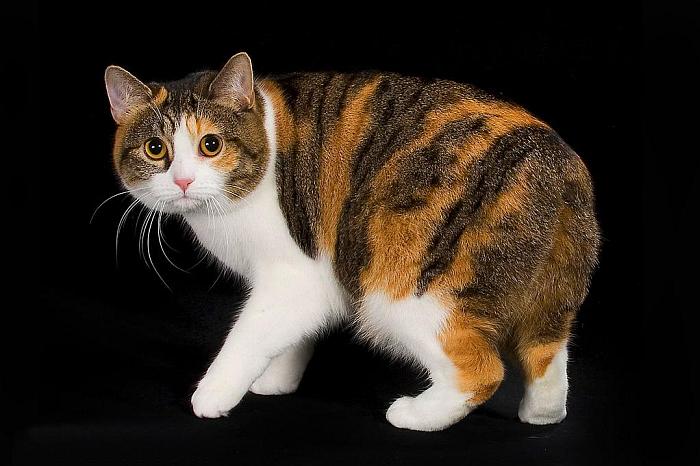
Common Manx Health Issues to Watch For
By PetEssentialist Team · Updated July 2026 · How we review
We independently research and pick every product. When you buy through our links we may earn a commission, at no extra cost to you. How this works.
The Manx breed's unique tailless or short-tailed characteristic is a result of a genetic mutation that can also increase the risk of spinal defects, such as Manx syndrome. As a responsible Manx owner, it's essential to be aware of the potential health issues that can affect this breed. With their sturdy build and dog-like personality, Manx cats require regular monitoring and preventative care to ensure they lead a long and healthy life of 12-14 years. Manx cats are generally playful, gentle, loyal, and intelligent, making them a joy to be around. However, their moderate energy level and short or long double coat require regular grooming and exercise to prevent health issues such as obesity and skin problems. By understanding the specific needs of the Manx breed, owners can take proactive steps to prevent and identify potential health issues early on. The Manx breed's predisposition to conditions such as arthritis, corneal dystrophy, and megacolon means that owners need to be vigilant and work closely with their veterinarian to monitor their cat's health. By doing so, owners can help their Manx cat live a long and healthy life, free from unnecessary suffering.
What to look for
Regular Veterinary Check-Ups
Regular veterinary check-ups are crucial for Manx cats, particularly during the first year of life. Owners should work closely with their veterinarian to monitor their cat's spinal health and watch for signs of Manx syndrome, such as paralysis or weakness in the hind legs. By catching any potential issues early, owners can help prevent more severe problems from developing.
Maintaining a Healthy Weight
Manx cats are prone to obesity, which can exacerbate conditions such as arthritis and diabetes. Owners should ensure their cat is fed a balanced diet and encouraged to exercise regularly to maintain a healthy weight. A weight management plan should be discussed with a veterinarian to determine the best course of action for each individual cat.
Providing a Safe Environment
Manx cats are known for their dog-like personality and love to play, which means they require a safe and stimulating environment to prevent injury. Owners should ensure their home is cat-proofed, with secure furniture and toxic substances out of reach. Providing regular playtime and mental stimulation can also help reduce the risk of behavioral problems.
Monitoring for Signs of Illness
Manx cats are prone to a range of health issues, including corneal dystrophy and megacolon. Owners should be aware of the signs of illness, such as changes in appetite, vomiting, or difficulty breathing, and seek veterinary attention immediately if they notice any unusual symptoms. Early detection and treatment can significantly improve the chances of a successful outcome.
Grooming and Coat Care
Manx cats have a short or long double coat that requires regular grooming to prevent matting and tangling. Owners should brush their cat regularly, paying particular attention to the areas where the coat is longest. This can help reduce the risk of skin problems and keep the coat in good condition.
Frequently asked questions
What are the most common health issues affecting the Manx breed?
The Manx breed is prone to a range of health issues, including Manx syndrome, arthritis, corneal dystrophy, and megacolon. Regular veterinary check-ups and a healthy lifestyle can help reduce the risk of these conditions.
How often should I take my Manx cat to the vet?
Manx cats should have regular veterinary check-ups, particularly during the first year of life. Owners should work closely with their veterinarian to determine the best schedule for their individual cat.
Can Manx cats be prone to obesity?
Yes, Manx cats are prone to obesity, which can exacerbate conditions such as arthritis and diabetes. Owners should ensure their cat is fed a balanced diet and encouraged to exercise regularly to maintain a healthy weight.
What are the signs of Manx syndrome?
The signs of Manx syndrome can include paralysis or weakness in the hind legs, as well as bowel and bladder problems. Owners should seek veterinary attention immediately if they notice any unusual symptoms in their cat.
How can I prevent my Manx cat from developing arthritis?
While it's not possible to completely prevent arthritis, owners can take steps to reduce the risk. This includes maintaining a healthy weight, providing regular exercise and mental stimulation, and ensuring their cat has a comfortable and supportive living environment.
By being aware of the potential health issues that can affect the Manx breed and taking proactive steps to prevent and identify them, owners can help their cat live a long and healthy life. Regular veterinary check-ups, a healthy lifestyle, and a safe and stimulating environment are all crucial for maintaining the health and wellbeing of Manx cats. By working closely with their veterinarian and providing the necessary care and attention, owners can help their Manx cat thrive and enjoy a happy and healthy life.
More for your Manx
Other breed-matched picks worth a look.