Manx
The Manx is a medium cat known for being playful, gentle, loyal.
- Size
- medium
- Weight
- 8–12 lbs
- Life span
- 12–14 yrs
- Coat
- short or long double
- Shedding
- moderate
- Energy
- moderate
Health to watch for
Common breed predispositions — not a diagnosis. Always consult your vet.
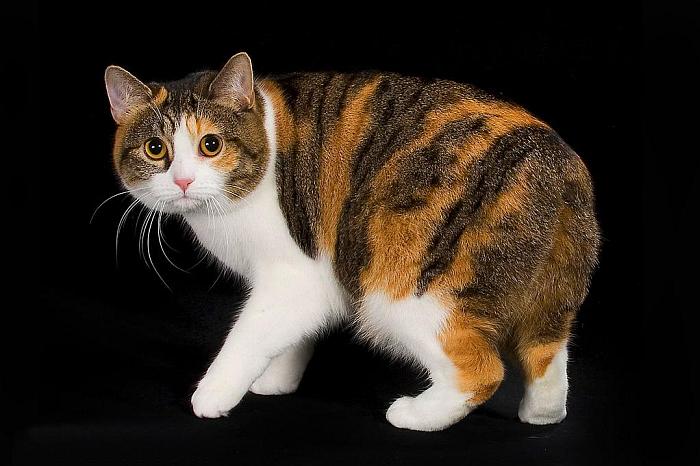
The Manx breed's tailless or short-tailed trait is not just a distinctive feature, but also a potential health risk due to the associated spinal defects. Manx syndrome, a genetic condition that affects the development of the spine, is a significant concern for this breed. As a result, owners need to be aware of the potential health implications and take steps to ensure their Manx cat receives proper care and attention.
Manx cats are known for their playful, gentle, and loyal temperament, making them a delightful companion for many owners. Their intelligence and sturdy build also mean they require regular exercise and mental stimulation to prevent boredom and stress. With a medium energy level, they need daily activity that caters to their physical and mental needs.
Despite their moderate shedding and grooming needs, Manx cats require regular coat maintenance to prevent matting and tangling, particularly for those with long double coats. Their moderate size, typically weighing between 8-12 pounds, also means they need a balanced diet that meets their nutritional needs without putting them at risk of obesity-related health issues.
Temperament and Socialization
Manx cats are highly social and thrive on interaction, so owners need to invest time in play, training, and simply cuddling with their pet. Positive reinforcement training is recommended to encourage good behavior and prevent unwanted habits. Early socialization is also crucial to help Manx kittens develop good social skills and reduce anxiety in new environments.
Coat Care and Grooming
The Manx breed's short or long double coat requires regular grooming to prevent matting and tangling. Owners should aim to brush their Manx cat at least twice a week, with daily grooming recommended for those with long coats. This not only helps reduce shedding but also strengthens the bond between owner and pet.
Exercise and Enrichment
Manx cats need regular exercise to stay physically and mentally healthy. Owners should provide a variety of toys, scratching posts, and climbing structures to keep their pet active and engaged. Food puzzle toys and interactive games are also great ways to stimulate their intelligence and prevent boredom.
Feeding and Nutrition
Manx cats are prone to obesity, so owners need to monitor their food intake carefully. A balanced diet that meets their nutritional needs is essential, with portion control and regular weigh-ins recommended to prevent overfeeding. Owners should also consult with their veterinarian to determine the best diet for their Manx cat based on their age, size, and health status.
Health and Veterinary Care
Manx cats are prone to several health issues, including Manx syndrome, arthritis, and corneal dystrophy. Regular veterinary check-ups are essential to monitor their health and detect any potential problems early. Owners should also work closely with their veterinarian to develop a preventative care plan that includes regular vaccinations, parasite control, and dental care.
Manx FAQ
How often should I groom my Manx cat?
The frequency of grooming depends on the length of your Manx cat's coat. For short coats, weekly brushing is sufficient, while long coats require daily grooming to prevent matting and tangling.
Are Manx cats prone to obesity?
Yes, Manx cats can be prone to obesity if their food intake is not monitored carefully. Owners should ensure their pet is getting regular exercise and feed a balanced diet that meets their nutritional needs.
Can Manx cats be trained?
Yes, Manx cats are highly intelligent and respond well to positive reinforcement training. Owners can teach their pet basic commands, such as 'sit' and 'stay', and even train them to perform tricks.
How much exercise does a Manx cat need?
Manx cats require regular exercise to stay physically and mentally healthy. Owners should aim to provide at least 30 minutes of playtime per day, including activities such as chasing toys, climbing, and interactive games.
What health issues are Manx cats prone to?
Manx cats are prone to several health issues, including Manx syndrome, arthritis, corneal dystrophy, and megacolon. Regular veterinary check-ups are essential to monitor their health and detect any potential problems early.
Top picks for Manxs
- Best Cat Trees for Manxs →
- Best Dental Treats for Manxs →
- Best Treats for Manxs →
- Best Litter for Manxs →
- Best Litter Boxes for Manxs →
- Best Toys for Manxs →
- Best Scratching Posts for Manxs →
- Best Beds for Manxs →
- Best Harnesses for Manxs →
- Best Calming Aids for Manxs →
- Best Water Fountains for Manxs →
- Best Brushes for Manxs →
- Best Nail Clippers for Manxs →
- Best Carriers for Manxs →
- Best Dry Food for Manxs →
- Best Wet Food for Manxs →