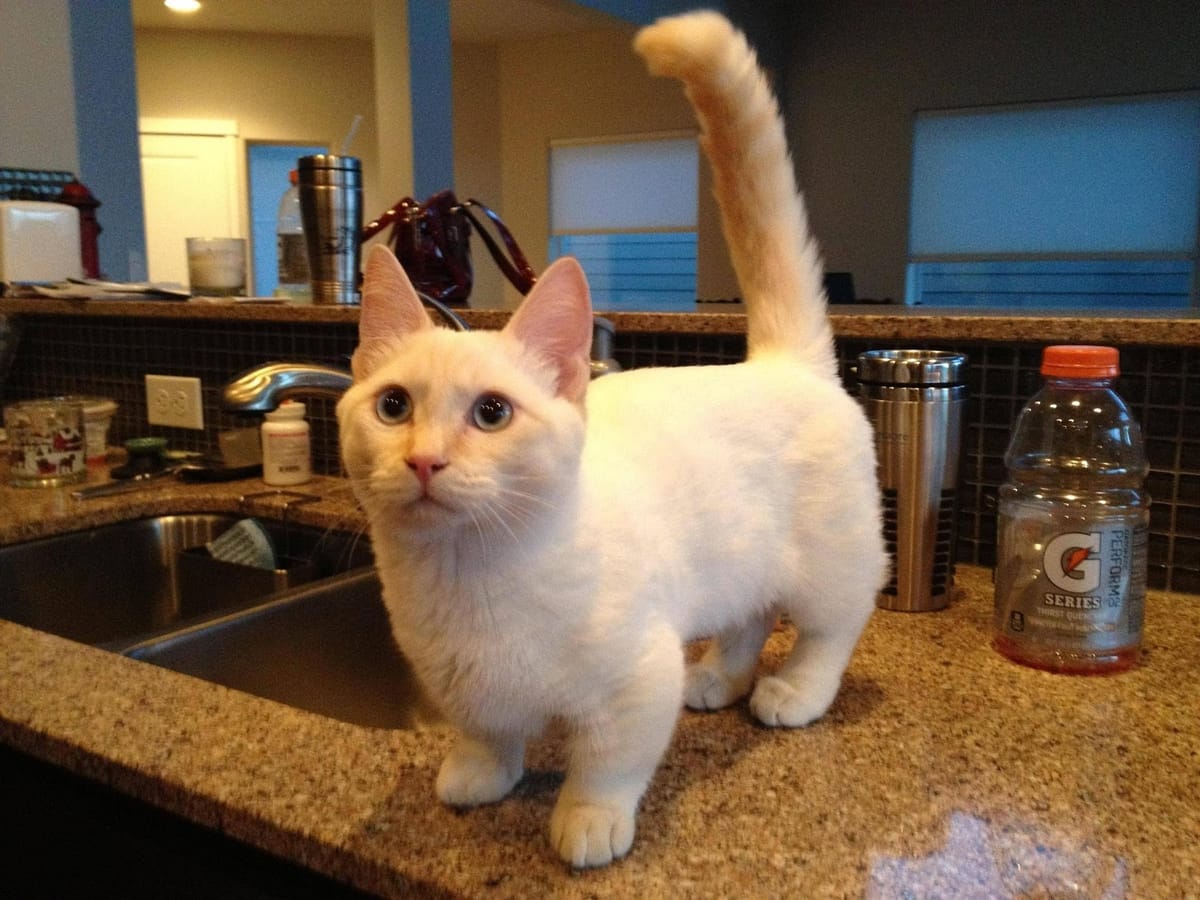
Common Munchkin Health Issues to Watch For
By PetEssentialist Team · Updated July 2026 · How we review
We independently research and pick every product. When you buy through our links we may earn a commission, at no extra cost to you. How this works.
A typical morning for a Munchkin owner often begins with a whirlwind of energy, as their short-legged but agile cat darts around the house, playing and pouncing on toys. Despite their small stature, Munchkins are known for their playful and outgoing personalities, which can sometimes put them at risk for injuries or health issues. As a responsible owner, it's essential to be aware of the common health problems that can affect Munchkins, such as lordosis, pectus excavatum, and arthritis, and take steps to prevent or manage them. Munchkins' short coats, whether short or long, require moderate grooming to prevent matting and tangling, while their high energy levels demand regular exercise and playtime to keep them happy and healthy. However, their short legs and curved spines can make them more prone to joint issues and spinal problems, emphasizing the need for careful monitoring and maintenance. By understanding the specific needs and health risks associated with the Munchkin breed, owners can take proactive steps to ensure their cat lives a long, healthy, and happy life, filled with play, affection, and adventure.
What to look for
Monitor for Spinal Issues
Munchkin owners should be aware of the signs of lordosis, such as a curved or twisted spine, and consult a veterinarian if they notice any unusual posturing or discomfort in their cat. Regular check-ups and a nutritious diet can help prevent or manage spinal problems. It's also essential to provide a safe and stable environment, with ample opportunities for exercise and play, to reduce the risk of injury or strain on the spine.
Maintain a Healthy Weight
Obesity is a significant health risk for Munchkins, and owners should strive to keep their cat at a healthy weight through a balanced diet and regular exercise. A weight management plan, tailored to the individual cat's needs, can help prevent obesity-related health issues, such as diabetes and arthritis. Owners should also be mindful of their cat's food intake and avoid overfeeding, as Munchkins can be prone to overeating.
Provide Regular Exercise
Munchkins are highly energetic and require regular playtime and exercise to stay happy and healthy. Owners should aim to provide at least 30 minutes of playtime per day, using toys and activities that stimulate their cat's natural hunting instincts, such as feather wands or laser pointers. This can help maintain their physical health, reduce stress, and prevent behavioral problems.
Schedule Regular Check-Ups
Regular veterinary check-ups are crucial for monitoring the health of Munchkin cats and detecting any potential issues early on. Owners should schedule annual check-ups, or more frequently if recommended by their veterinarian, to ensure their cat receives prompt attention and care for any emerging health problems. This can help prevent minor issues from becoming major concerns and ensure the cat receives the best possible care.
Create a Safe Environment
Munchkin owners should take steps to create a safe and stable environment for their cat, free from hazards and risks. This includes providing a secure and comfortable place to rest, protecting their cat from extreme temperatures, and preventing access to toxic substances or electrical cords. By taking these precautions, owners can help reduce the risk of injury or illness and ensure their cat lives a long and healthy life.
Frequently asked questions
How often should I groom my Munchkin?
Munchkins require moderate grooming to prevent matting and tangling, especially if they have a long coat. Owners should aim to groom their cat at least 2-3 times per week, using a gentle brush or comb to remove loose hair and distribute skin oils.
Can Munchkins be prone to obesity?
Yes, Munchkins can be prone to obesity, especially if they are overfed or do not receive enough exercise. Owners should monitor their cat's weight and adjust their diet and exercise routine accordingly to prevent obesity-related health issues.
What are the signs of lordosis in Munchkins?
The signs of lordosis in Munchkins can include a curved or twisted spine, unusual posturing, and discomfort or pain when moving or jumping. Owners should consult a veterinarian if they notice any of these signs in their cat, as prompt attention and care can help manage the condition.
How much exercise does a Munchkin need?
Munchkins are highly energetic and require regular playtime and exercise to stay happy and healthy. Owners should aim to provide at least 30 minutes of playtime per day, using toys and activities that stimulate their cat's natural hunting instincts.
What is the average lifespan of a Munchkin?
The average lifespan of a Munchkin is 12-15 years, although individual cats may live longer or shorter lives depending on their genetics, diet, and overall health. Regular veterinary care, a balanced diet, and a safe and stable environment can all contribute to a long and healthy life for a Munchkin.
By understanding the specific health needs and risks associated with the Munchkin breed, owners can take proactive steps to ensure their cat lives a long, happy, and healthy life. Prioritizing regular exercise, a balanced diet, and prompt veterinary care can help prevent or manage common health issues, such as lordosis and obesity, and provide the best possible quality of life for their cat. With careful attention and dedication, Munchkin owners can help their cat thrive and enjoy a lifetime of play, affection, and adventure.
More for your Munchkin
Other breed-matched picks worth a look.