Munchkin
The Munchkin is a small cat known for being playful, outgoing, affectionate.
- Size
- small
- Weight
- 5–9 lbs
- Life span
- 12–15 yrs
- Coat
- short or long
- Shedding
- moderate
- Energy
- high
Health to watch for
Common breed predispositions — not a diagnosis. Always consult your vet.
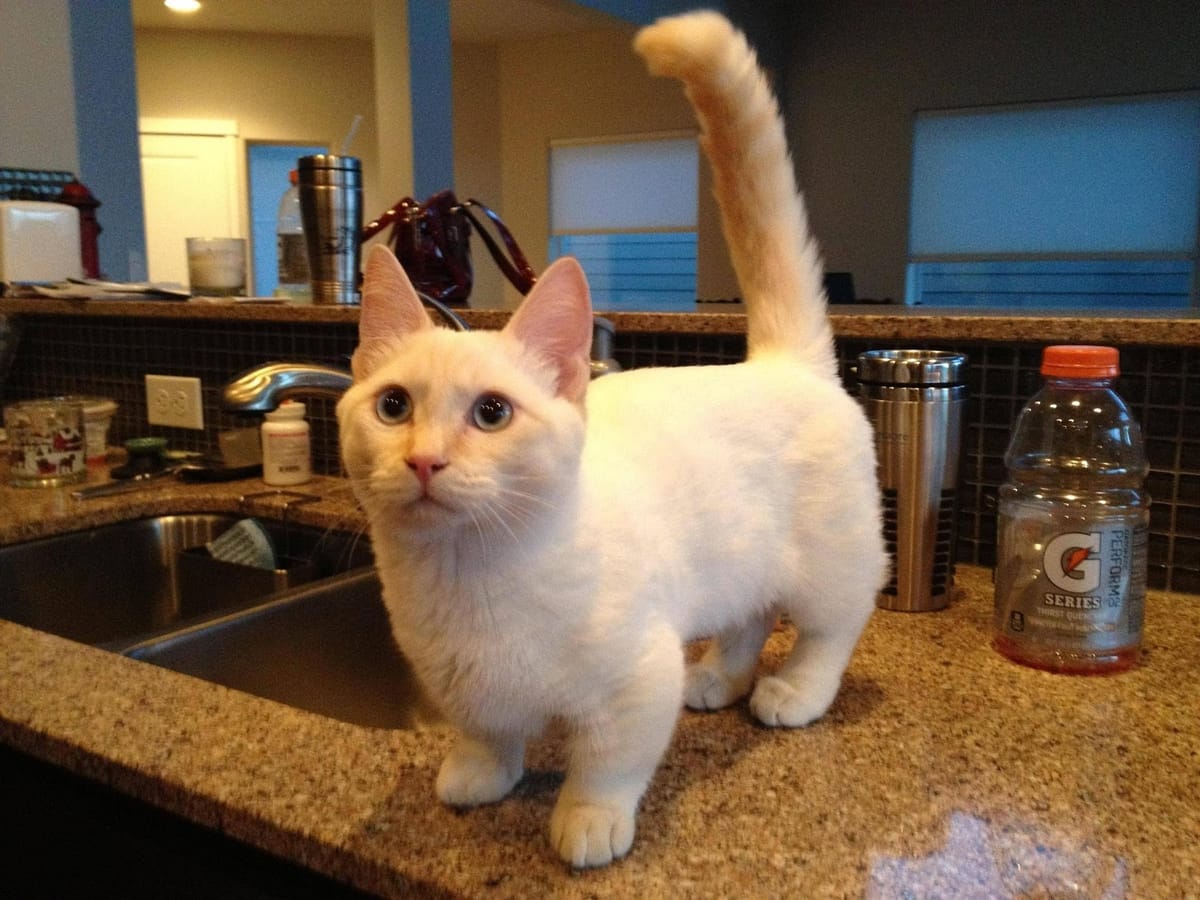
A Munchkin cat darts across the floor, its short legs moving quickly as it chases a toy. Despite their compact stature, Munchkins are known for their agility and speed, making them a delight to watch. However, their unique physiology also requires special consideration when it comes to their care and well-being.
Munchkin cats are highly energetic and playful, with a curious and affectionate temperament. They thrive on interaction and attention from their owners, and require plenty of stimulation to prevent boredom and stress. Their short or long coats require moderate grooming, and their high energy levels demand regular exercise and enrichment activities.
As a Munchkin cat owner, it's essential to be aware of the potential health issues that can affect this breed, such as lordosis, pectus excavatum, arthritis, and obesity. By understanding the specific needs of your Munchkin cat, you can provide them with a happy, healthy life.
Temperament and Personality
Munchkin cats are playful, outgoing, and affectionate, making them a great fit for owners who enjoy interactive play and attention. They are highly curious and love to explore their surroundings, so it's essential to provide plenty of toys and stimulation to keep them entertained. With their high energy levels, Munchkins require owners who can keep up with their active lifestyle.
Daily Care and Grooming
Munchkin cats have short or long coats that require moderate grooming. Owners should brush their Munchkin's coat regularly to prevent matting and tangling, and to reduce shedding. It's also essential to clean their litter box daily and provide a balanced diet to maintain their overall health.
Exercise and Enrichment
Munchkin cats are highly energetic and require regular exercise to stay happy and healthy. Owners should provide plenty of toys and scratching posts to keep their Munchkin active, as well as engage in playtime activities such as chasing laser pointers or playing with feather wands. Enrichment activities, such as puzzle toys and hide-and-seek games, can also help to stimulate their minds and prevent boredom.
Feeding Considerations
Munchkin cats are prone to obesity, so it's essential to monitor their food intake and ensure they are getting a balanced diet. Owners should choose a high-quality cat food that meets their Munchkin's nutritional needs, and avoid overfeeding or giving too many treats. Regular weigh-ins and body condition assessments can help to identify any potential weight issues early on.
Realistic Cost and Commitment
Munchkin cats require a significant investment of time, money, and resources. Owners should be prepared to spend money on high-quality food, toys, and veterinary care, as well as devote time to playtime, grooming, and training. With their potential health issues, Munchkin cats may also require more frequent veterinary visits and costly treatments, making pet insurance a worthwhile consideration.
Munchkin FAQ
How often should I groom my Munchkin cat?
Munchkin cats require moderate grooming, with daily brushing recommended to prevent matting and tangling. Regular nail trimming, ear cleaning, and teeth brushing can also help to keep your Munchkin clean and healthy.
Why is my Munchkin cat so prone to obesity?
Munchkin cats are prone to obesity due to their compact stature and high energy levels. Overfeeding, lack of exercise, and genetic predisposition can all contribute to weight gain, making it essential to monitor your Munchkin's food intake and ensure they are getting regular exercise and playtime.
Can Munchkin cats jump high?
Despite their short legs, Munchkin cats are surprisingly agile and can jump relatively high. However, their compact stature can also make them more prone to joint issues, so it's essential to provide a safe and stable environment to prevent injury.
How much exercise does my Munchkin cat need?
Munchkin cats require regular exercise to stay happy and healthy, with a minimum of 30 minutes of playtime recommended per day. This can include activities such as chasing laser pointers, playing with feather wands, or engaging in puzzle toys and hide-and-seek games.
What health issues should I be aware of in my Munchkin cat?
Munchkin cats are prone to several health issues, including lordosis, pectus excavatum, arthritis, and obesity. Regular veterinary check-ups, a balanced diet, and a safe and stable environment can all help to prevent or manage these conditions, ensuring your Munchkin lives a happy and healthy life.
Top picks for Munchkins
- Best Toys for Munchkins →
- Best Brushes for Munchkins →
- Best Dental Treats for Munchkins →
- Best Dry Food for Munchkins →
- Best Cat Trees for Munchkins →
- Best Treats for Munchkins →
- Best Litter for Munchkins →
- Best Litter Boxes for Munchkins →
- Best Wet Food for Munchkins →
- Best Beds for Munchkins →
- Best Scratching Posts for Munchkins →
- Best Water Fountains for Munchkins →
- Best Calming Aids for Munchkins →
- Best Nail Clippers for Munchkins →
- Best Harnesses for Munchkins →
- Best Carriers for Munchkins →