Common Nova Scotia Duck Tolling Retriever Health Issues to Watch For
By PetEssentialist Team · Updated July 2026 · How we review
We independently research and pick every product. When you buy through our links we may earn a commission, at no extra cost to you. How this works.
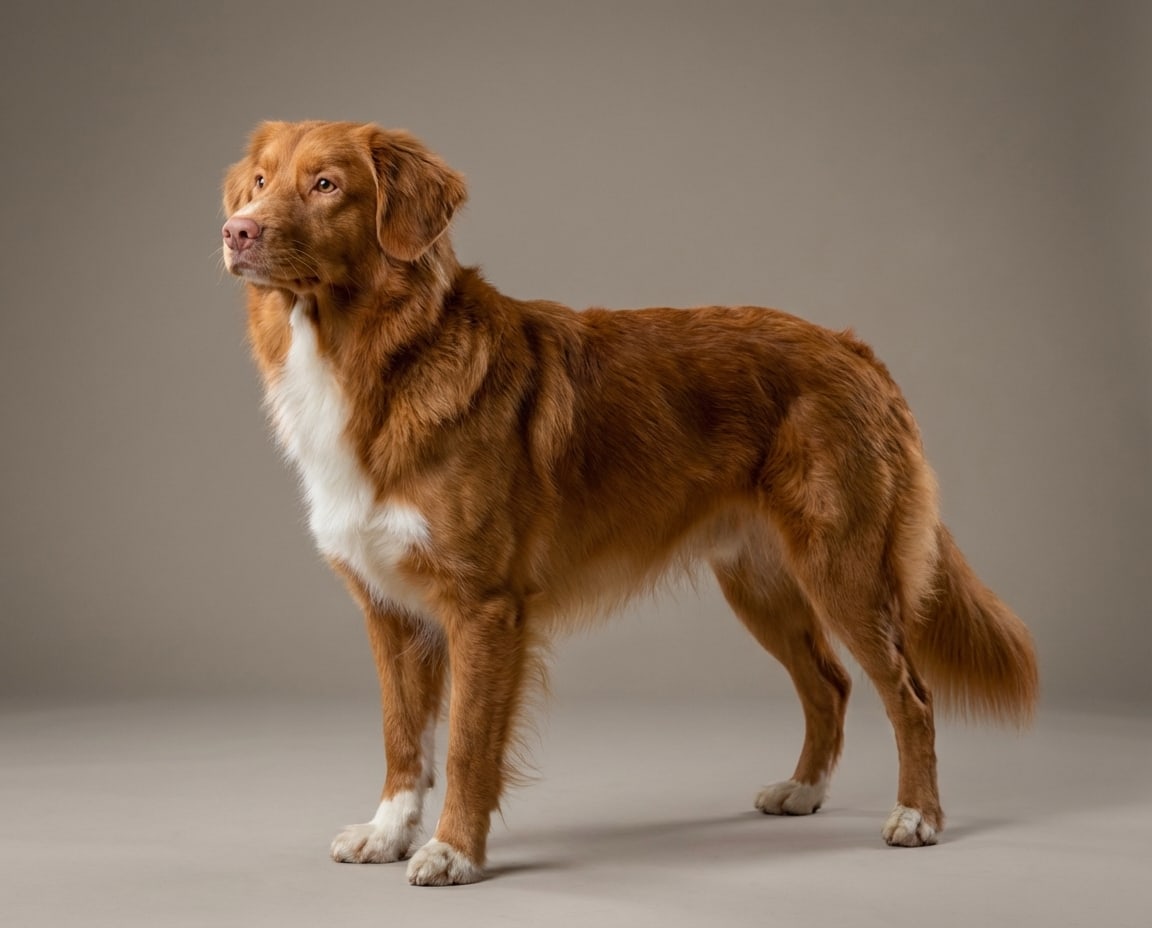
Nova Scotia Duck Tolling Retrievers are renowned for their high energy and intelligence, but their active lifestyle and genetic predispositions can make them prone to certain health issues. Their water-resistant double coat and small size belies a robust build, yet they can still be susceptible to conditions like hip dysplasia and progressive retinal atrophy (PRA). Regular exercise and mental stimulation are crucial for this breed, but it's equally important for owners to be aware of potential health concerns and take preventative measures. As an owner of a Nova Scotia Duck Tolling Retriever, it's essential to be vigilant about monitoring their health, given their predisposition to conditions like Addison's disease and autoimmune disorders. By understanding these potential issues and taking proactive steps, owners can help ensure their Tolling Retriever leads a long, healthy life. With their high energy levels and strong desire to please, Tolling Retrievers thrive on structure and routine, making it easier for owners to identify any deviations from normal behavior that may indicate a health issue. Given the breed's intelligence and trainability, owners can also use positive reinforcement techniques to encourage healthy habits and detect potential problems early on. By staying informed and working closely with a veterinarian, owners can provide the best possible care for their Nova Scotia Duck Tolling Retriever.
What to look for
Monitor for Hip Dysplasia
Nova Scotia Duck Tolling Retrievers are prone to hip dysplasia, a genetic condition that can lead to arthritis and mobility issues. Owners should monitor their dog's gait and movement, watching for signs of stiffness or difficulty rising from a lying down position. Regular exercise, such as swimming or short walks, can help maintain joint health, but it's crucial to avoid excessive jumping or high-impact activities that can exacerbate the condition.
Preventative Care for Eye Health
Progressive retinal atrophy (PRA) is a concern for Tolling Retrievers, making regular eye exams essential. Owners should work with their veterinarian to schedule annual eye check-ups and maintain a healthy weight to reduce the risk of PRA and other eye problems. A balanced diet rich in omega-3 fatty acids can also support eye health.
Manage Stress and Prevent Autoimmune Disorders
Nova Scotia Duck Tolling Retrievers can be prone to stress and anxiety, which may contribute to autoimmune disorders. Owners can help mitigate this risk by providing a stable, predictable environment and engaging their dog in regular mental stimulation and exercise. Activities like obedience training, agility, and scent work can help reduce stress and keep the dog's mind active.
Watch for Signs of Addison's Disease
Addison's disease is a rare but potentially life-threatening condition that can affect Tolling Retrievers. Owners should be aware of signs such as vomiting, diarrhea, and lethargy, and seek immediate veterinary attention if they notice any of these symptoms. Regular blood work and check-ups can help detect the disease early on, making treatment more effective.
Maintain a Healthy Coat and Skin
The Nova Scotia Duck Tolling Retriever's double coat requires regular grooming to prevent matting and tangling. Owners should brush their dog several times a week, paying particular attention to areas prone to matting, such as the armpits and behind the ears. A balanced diet and regular bathing can also help maintain a healthy coat and reduce the risk of skin problems.
Frequently asked questions
How often should I take my Nova Scotia Duck Tolling Retriever to the vet?
Regular check-ups with a veterinarian are crucial for maintaining your Tolling Retriever's health. Owners should schedule annual exams, with additional visits as needed to monitor specific health concerns. For example, if your dog has been diagnosed with hip dysplasia, your vet may recommend more frequent check-ups to monitor the condition and adjust treatment as needed.
What are the earliest signs of hip dysplasia in Nova Scotia Duck Tolling Retrievers?
Early signs of hip dysplasia in Tolling Retrievers may include stiffness or difficulty rising from a lying down position, particularly after exercise or long periods of rest. Owners may also notice a decrease in their dog's activity level or a reluctance to jump or play. If you notice any of these symptoms, consult with your veterinarian to determine the best course of action.
Can Nova Scotia Duck Tolling Retrievers develop eye problems if they're not regularly examined?
Yes, Tolling Retrievers can develop eye problems, including progressive retinal atrophy (PRA), if they're not regularly examined. Regular eye exams can help detect these issues early on, making treatment more effective. Owners should work with their veterinarian to schedule annual eye check-ups and maintain a healthy weight to reduce the risk of PRA and other eye problems.
How can I reduce my Nova Scotia Duck Tolling Retriever's stress and anxiety?
Providing a stable, predictable environment and engaging your dog in regular mental stimulation and exercise can help reduce stress and anxiety in Tolling Retrievers. Activities like obedience training, agility, and scent work can help keep the dog's mind active and reduce stress. Owners should also consider providing a comfortable, quiet space for their dog to relax and unwind.
What are the most common health issues in Nova Scotia Duck Tolling Retrievers?
Nova Scotia Duck Tolling Retrievers are prone to several health issues, including hip dysplasia, progressive retinal atrophy (PRA), Addison's disease, and autoimmune disorders. Owners should be aware of these potential issues and take preventative measures, such as regular exercise, a balanced diet, and regular veterinary check-ups, to help reduce the risk of these conditions.
By understanding the common health issues that can affect Nova Scotia Duck Tolling Retrievers and taking proactive steps to prevent and manage these conditions, owners can help ensure their dog leads a long, healthy life. Regular veterinary check-ups, a balanced diet, and plenty of exercise and mental stimulation are key to maintaining the overall health and well-being of this energetic and intelligent breed. With the right care and attention, Tolling Retrievers can thrive as beloved companions and working dogs.
More for your Nova Scotia Duck Tolling Retriever
Other breed-matched picks worth a look.