Nova Scotia Duck Tolling Retriever
The Nova Scotia Duck Tolling Retriever is a medium dog known for being intelligent, outgoing, affectionate.
- Size
- medium
- Weight
- 35–50 lbs
- Life span
- 12–14 yrs
- Coat
- medium double
- Shedding
- high
- Energy
- high
Health to watch for
Common breed predispositions — not a diagnosis. Always consult your vet.
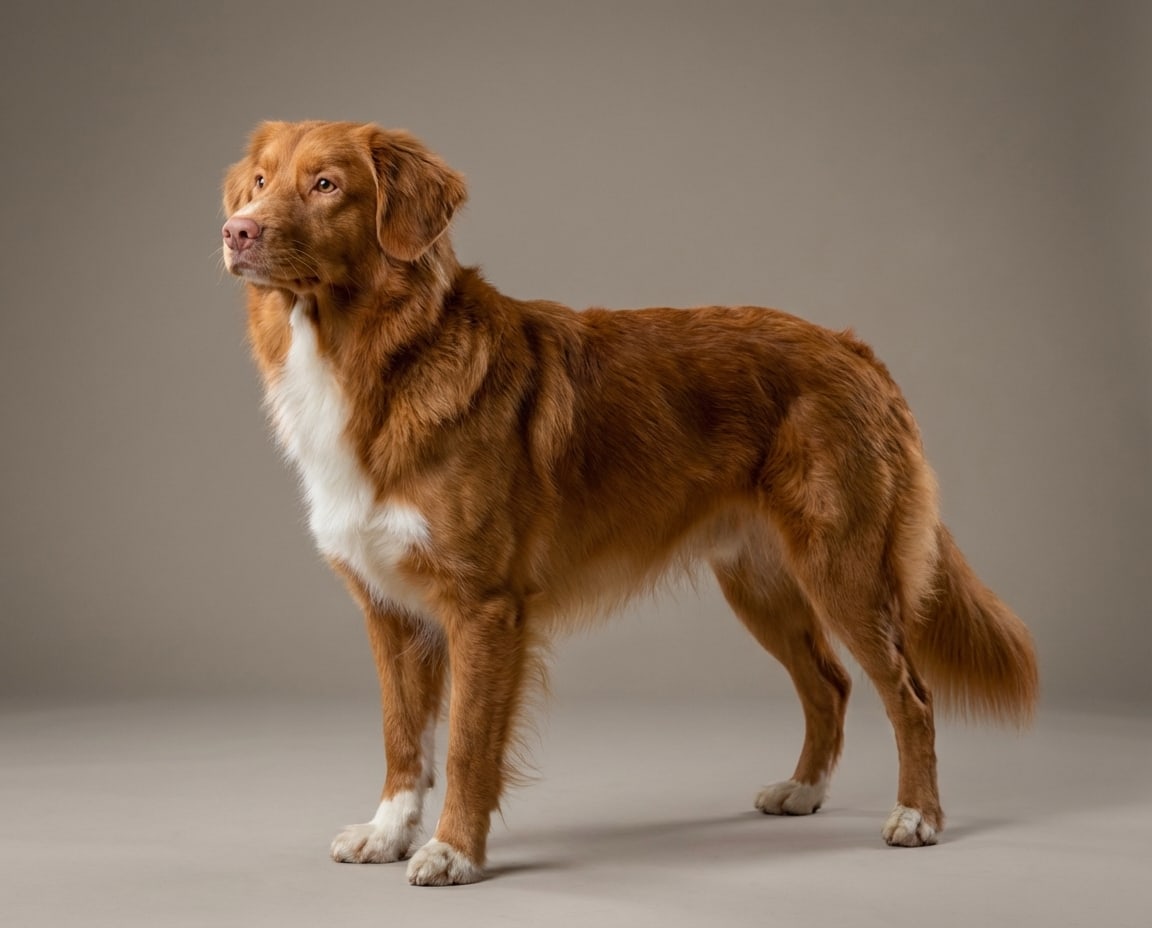
The Nova Scotia Duck Tolling Retriever's high energy level and intelligent nature make them a rewarding but demanding breed to care for. With their medium double coat and high shedding, regular grooming is essential to prevent matting and tangling. As the smallest retriever breed, they require a unique balance of exercise, training, and attention to thrive.
Their water-resistant coat and love of water make them well-suited to active families who enjoy outdoor pursuits. However, their high energy level and strong desire to please also mean they require consistent training and mental stimulation to prevent boredom and destructive behavior.
With a lifespan of 12-14 years, it's essential for owners to be aware of common health issues such as hip dysplasia, PRA, and Addison's disease, and to take steps to mitigate these risks through regular veterinary check-ups and a healthy lifestyle.
Temperament and Training
Nova Scotia Duck Tolling Retrievers are highly intelligent and trainable, but they can be strong-willed and independent at times. Consistent, positive reinforcement training is essential to develop good behavior and prevent unwanted habits. Early socialization is also crucial to help them become confident and calm in new situations.
Daily Care and Grooming
Their medium double coat requires regular brushing to prevent matting and tangling, particularly during shedding season. A weekly brushing routine, combined with occasional bathing and nail trimming, will help keep their coat in good condition. Additionally, their ears should be checked regularly to prevent infections.
Exercise and Enrichment
Nova Scotia Duck Tolling Retrievers require at least 1-2 hours of exercise per day, including a combination of physical activity and mental stimulation. This can include walks, runs, playtime, and training sessions. They also benefit from interactive toys and puzzle games to keep their minds engaged and prevent boredom.
Feeding Considerations
As a medium-sized breed, Nova Scotia Duck Tolling Retrievers require a balanced diet that meets their energy needs. They are prone to obesity, so monitoring food intake and avoiding overfeeding is essential. A high-quality dog food that is rich in protein and moderate in fat is recommended, with portions adjusted according to age, size, and activity level.
Health and Wellness
Regular veterinary check-ups are crucial to monitor for common health issues such as hip dysplasia, PRA, and Addison's disease. Owners should also be aware of signs of illness or injury, such as changes in appetite, vomiting, or limping, and seek veterinary attention promptly if they occur.
Nova Scotia Duck Tolling Retriever FAQ
How often should I groom my Nova Scotia Duck Tolling Retriever?
Regular grooming is essential for Nova Scotia Duck Tolling Retrievers, with daily brushing recommended during shedding season and at least weekly brushing at other times. Additionally, their nails should be trimmed regularly, and their ears checked for signs of infection.
Can Nova Scotia Duck Tolling Retrievers be left alone for long periods?
While Nova Scotia Duck Tolling Retrievers can adapt to being left alone for short periods, they are a social breed that thrives on interaction and attention. Leaving them alone for extended periods can lead to boredom, destructive behavior, and anxiety, so it's essential to provide regular exercise, training, and mental stimulation.
Are Nova Scotia Duck Tolling Retrievers good with children?
Nova Scotia Duck Tolling Retrievers are generally excellent with children, particularly if socialized from an early age. However, as with any breed, it's essential to supervise interactions between dogs and young children and teach children how to interact with dogs safely and respectfully.
How much exercise does a Nova Scotia Duck Tolling Retriever need?
Nova Scotia Duck Tolling Retrievers require at least 1-2 hours of exercise per day, including a combination of physical activity and mental stimulation. This can include walks, runs, playtime, and training sessions, as well as interactive toys and puzzle games to keep their minds engaged.
What are the most common health issues in Nova Scotia Duck Tolling Retrievers?
Common health issues in Nova Scotia Duck Tolling Retrievers include hip dysplasia, PRA, Addison's disease, and autoimmune disorders. Regular veterinary check-ups and a healthy lifestyle can help mitigate these risks, and owners should be aware of signs of illness or injury and seek veterinary attention promptly if they occur.
Top picks for Nova Scotia Duck Tolling Retrievers
- Best Food for Nova Scotia Duck Tolling Retrievers →
- Best Treats for Nova Scotia Duck Tolling Retrievers →
- Best Dental Chews for Nova Scotia Duck Tolling Retrievers →
- Best Brushes for Nova Scotia Duck Tolling Retrievers →
- Best Leashes for Nova Scotia Duck Tolling Retrievers →
- Best Beds for Nova Scotia Duck Tolling Retrievers →
- Best Harnesses for Nova Scotia Duck Tolling Retrievers →
- Best Crates for Nova Scotia Duck Tolling Retrievers →
- Best Shampoo for Nova Scotia Duck Tolling Retrievers →
- Best Nail Clippers for Nova Scotia Duck Tolling Retrievers →
- Best Collars for Nova Scotia Duck Tolling Retrievers →
- Best Toys for Nova Scotia Duck Tolling Retrievers →
- Best Training Pads for Nova Scotia Duck Tolling Retrievers →
- Best Chew Toys for Nova Scotia Duck Tolling Retrievers →
- Best Joint Supplements for Nova Scotia Duck Tolling Retrievers →
- Best Jackets & Coats for Nova Scotia Duck Tolling Retrievers →
- Best Ear Cleaners for Nova Scotia Duck Tolling Retrievers →
Nova Scotia Duck Tolling Retriever guides
- How to Groom a Nova Scotia Duck Tolling Retriever →
- How Much to Feed a Nova Scotia Duck Tolling Retriever →
- How Much Exercise Does a Nova Scotia Duck Tolling Retriever Need? →
- Common Nova Scotia Duck Tolling Retriever Health Issues to Watch For →
- Is a Nova Scotia Duck Tolling Retriever the Right Dog for You? →