Common Ocicat Health Issues to Watch For
By PetEssentialist Team · Updated July 2026 · How we review
We independently research and pick every product. When you buy through our links we may earn a commission, at no extra cost to you. How this works.
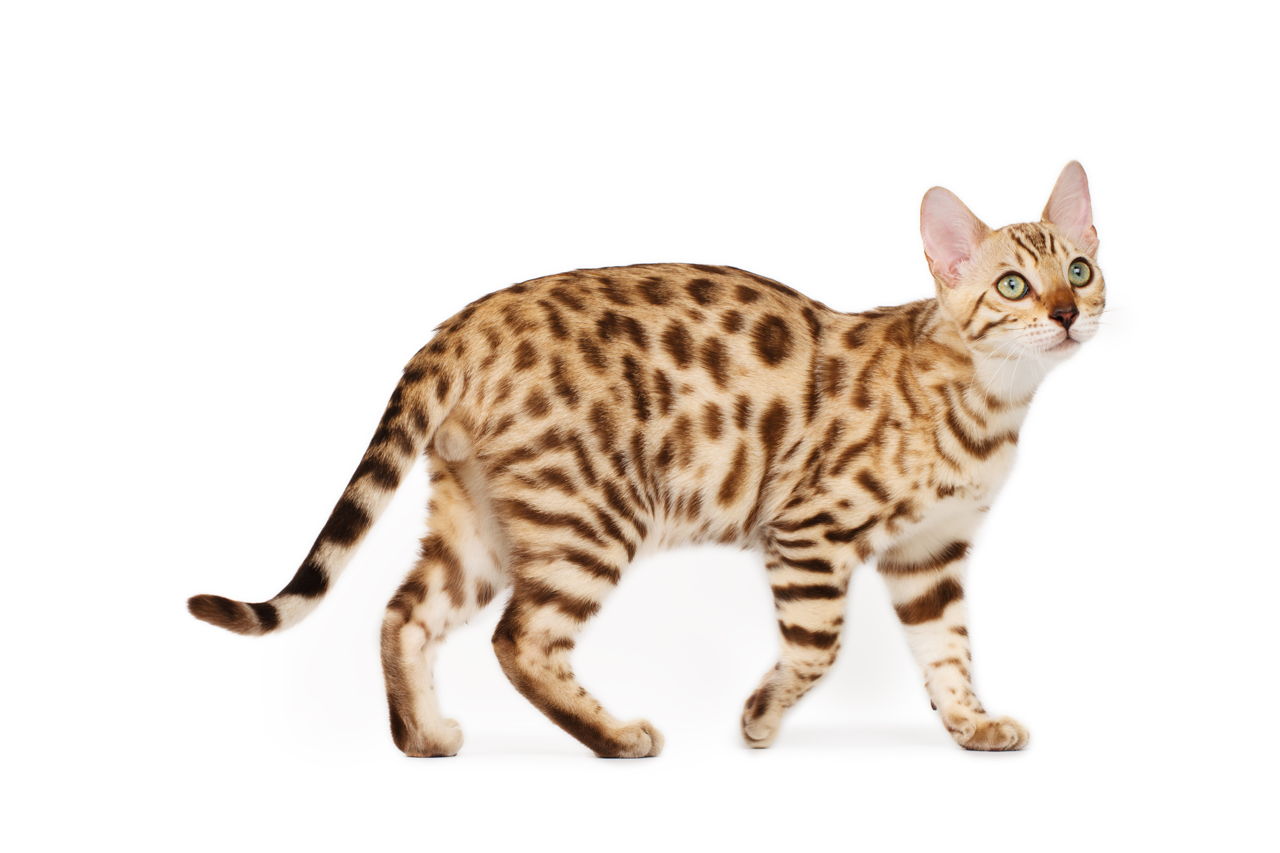
The Ocicat's wild-spotted appearance and energetic personality make them a beloved breed among cat owners. However, their unique characteristics also make them prone to specific health issues. As an Ocicat owner, it's essential to be aware of the common health problems that can affect this breed, such as hypertrophic cardiomyopathy (HCM), polycystic kidney disease, and periodontal disease. With their high energy level and intelligent nature, Ocicats require regular exercise and mental stimulation to prevent boredom and stress, which can exacerbate underlying health conditions. A combination of genetic predisposition and environmental factors can contribute to the development of these health issues, making it crucial for owners to take preventative measures and monitor their Ocicat's health closely. By understanding the specific health needs of the Ocicat breed, owners can take proactive steps to prevent or manage these conditions, ensuring their pet lives a long and healthy life.
What to look for
Regular Veterinary Check-Ups
Regular veterinary check-ups are crucial for Ocicat owners to monitor their pet's health and detect any potential issues early on. Annual check-ups can help identify signs of HCM, polycystic kidney disease, and other health problems, allowing for prompt treatment and management. Owners should work closely with their veterinarian to develop a preventative care plan tailored to their Ocicat's specific needs.
Dental Care and Hygiene
Ocicats are prone to periodontal disease, making regular dental care and hygiene essential. Owners should brush their Ocicat's teeth regularly and provide a balanced diet that promotes oral health. Additionally, regular dental check-ups with a veterinarian can help identify any signs of periodontal disease, allowing for prompt treatment and prevention of further complications.
Genetic Testing and Screening
Genetic testing and screening can help identify Ocicats that are prone to certain health issues, such as HCM and polycystic kidney disease. Owners should work with their breeder or veterinarian to determine the best course of genetic testing and screening for their Ocicat, and use this information to inform their preventative care plan.
Environmental Enrichment and Stress Reduction
Ocicats are highly intelligent and energetic, requiring regular environmental enrichment and stress reduction activities to prevent boredom and stress. Owners can provide puzzle toys, scratching posts, and climbing structures to keep their Ocicat engaged and active, reducing the risk of stress-related health problems.
Balanced Diet and Nutrition
A balanced diet and proper nutrition are essential for maintaining the overall health and well-being of Ocicats. Owners should provide a high-quality commercial cat food or work with their veterinarian to develop a customized diet plan that meets their Ocicat's specific nutritional needs, taking into account their age, size, and activity level.
Frequently asked questions
What are the most common health issues affecting Ocicats?
The most common health issues affecting Ocicats include hypertrophic cardiomyopathy (HCM), polycystic kidney disease, periodontal disease, and amyloidosis. Regular veterinary check-ups and genetic testing can help identify these conditions early on, allowing for prompt treatment and management.
How often should I take my Ocicat to the vet?
Ocicats should have annual veterinary check-ups to monitor their health and detect any potential issues early on. Additionally, owners should schedule regular dental check-ups and genetic testing as recommended by their veterinarian.
Can I prevent my Ocicat from developing health issues?
While some health issues may be genetic, owners can take preventative measures to reduce the risk of certain conditions. Regular veterinary check-ups, genetic testing, and a balanced diet and nutrition can all contribute to a healthy and long life for Ocicats.
What are the signs of hypertrophic cardiomyopathy (HCM) in Ocicats?
Signs of HCM in Ocicats may include shortness of breath, lethargy, and pale gums. Owners should monitor their Ocicat's behavior and health closely, and seek veterinary attention immediately if they notice any of these signs.
How can I reduce stress and boredom in my Ocicat?
Ocicats require regular environmental enrichment and stress reduction activities to prevent boredom and stress. Owners can provide puzzle toys, scratching posts, and climbing structures to keep their Ocicat engaged and active, reducing the risk of stress-related health problems.
By understanding the specific health needs of the Ocicat breed and taking proactive steps to prevent and manage common health issues, owners can help their pet live a long and healthy life. Prioritizing regular veterinary check-ups, genetic testing, and a balanced diet and nutrition is crucial for maintaining the overall health and well-being of Ocicats. With proper care and attention, Ocicats can thrive and bring joy and companionship to their owners for many years.
More for your Ocicat
Other breed-matched picks worth a look.