Ocicat
The Ocicat is a large cat known for being social, active, intelligent.
- Size
- large
- Weight
- 6–15 lbs
- Life span
- 12–18 yrs
- Coat
- short spotted
- Shedding
- low
- Energy
- high
Health to watch for
Common breed predispositions — not a diagnosis. Always consult your vet.
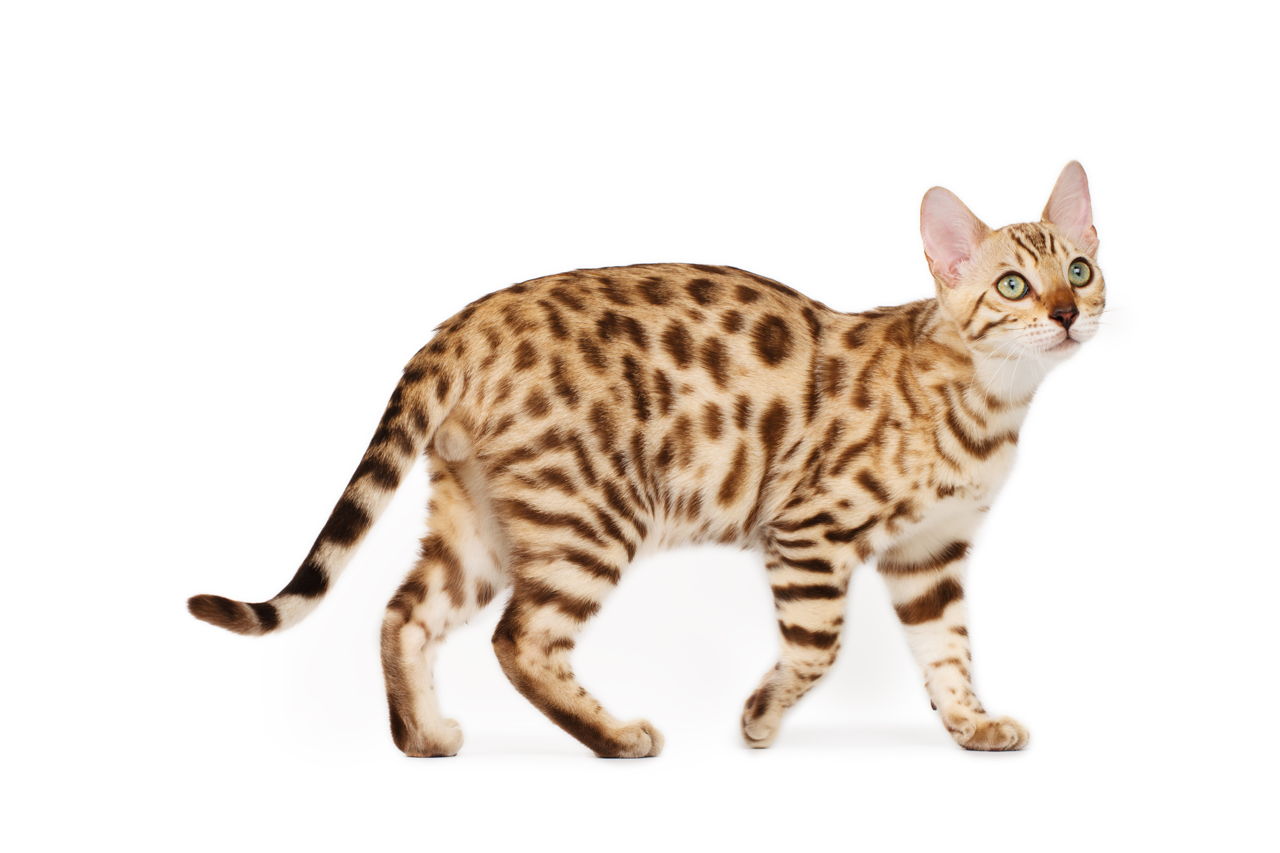
A typical morning for an Ocicat owner begins with a burst of energy, as their agile and social cat demands attention and playtime. The Ocicat's wild-spotted coat and athletic build make them a stunning companion, but their high energy level requires owners to be equally active and engaged. As the day unfolds, it becomes clear that this breed's intelligence and devotion make them a loyal and loving friend, but also a handful if not properly exercised and stimulated.
With their short, spotted coat and low shedding, Ocicat grooming needs are relatively low, but their high energy level means they require plenty of physical and mental stimulation to prevent boredom and destructive behavior. A typical Ocicat can weigh between 6-15 pounds, making them a large and sturdy breed that needs plenty of space to move around. Their life span of 12-18 years means owners are in for a long-term commitment to providing the right care and attention.
As an Ocicat owner, it's essential to understand the unique characteristics of this breed and provide the necessary care and attention to ensure a happy and healthy life. From daily exercise and playtime to regular grooming and health checks, every aspect of Ocicat care requires attention to detail and a commitment to meeting their specific needs.
Temperament and Training
Ocicats are highly social and intelligent, making them responsive to training and eager to please. They thrive on interaction and attention, so owners should be prepared to devote time to play and training sessions. Positive reinforcement techniques work well with this breed, and consistency is key to developing good behavior. Early socialization is also crucial to help Ocicats become confident and calm in new situations.
Exercise and Enrichment
Ocicats are naturally athletic and require plenty of physical activity to stay happy and healthy. A combination of playtime, exercise, and mental stimulation is essential to prevent boredom and destructive behavior. Owners should provide a variety of toys and activities that challenge their Ocicat's problem-solving skills and encourage physical activity, such as climbing walls, scratching posts, and interactive toys.
Feeding and Nutrition
Ocicats are a large breed with a high energy level, so they require a nutrient-rich diet that meets their specific needs. Owners should choose a high-quality cat food that is rich in protein and low in fillers, and consider a feeding schedule that includes multiple small meals throughout the day to keep their Ocicat's energy levels stable. It's also essential to monitor food intake to prevent obesity, which can exacerbate health issues like polycystic kidney disease.
Health and Wellness
Ocicats are prone to certain health issues, including HCM, polycystic kidney disease, and periodontal disease. Regular health checks and monitoring are crucial to detecting these issues early, and owners should work closely with their veterinarian to develop a preventative care plan. This includes regular dental care, check-ups, and screenings for common health issues.
Cost and Commitment
Ocicats are a long-term commitment, and owners should be prepared for the financial and emotional investment required to care for this breed. The cost of owning an Ocicat includes not only the initial purchase price but also ongoing expenses like food, veterinary care, and supplies. Owners should also consider the time commitment required to provide exercise, training, and attention to their Ocicat.
Ocicat FAQ
How often should I groom my Ocicat?
Ocicats have a short, spotted coat that requires minimal grooming. A weekly brushing session should suffice, with occasional nail trimming and ear cleaning as needed.
Why is my Ocicat so energetic?
Ocicats are a high-energy breed that requires plenty of physical and mental stimulation. They need regular exercise and playtime to prevent boredom and destructive behavior.
Can Ocicats be trained?
Yes, Ocicats are highly intelligent and responsive to training. Positive reinforcement techniques work well with this breed, and consistency is key to developing good behavior.
What health issues are Ocicats prone to?
Ocicats are prone to certain health issues, including HCM, polycystic kidney disease, and periodontal disease. Regular health checks and monitoring are crucial to detecting these issues early.
How long do Ocicats typically live?
Ocicats have a life span of 12-18 years, making them a long-term commitment for owners. With proper care and attention, many Ocicats live well into their teens.
Top picks for Ocicats
- Best Dry Food for Ocicats →
- Best Toys for Ocicats →
- Best Treats for Ocicats →
- Best Wet Food for Ocicats →
- Best Dental Treats for Ocicats →
- Best Cat Trees for Ocicats →
- Best Litter Boxes for Ocicats →
- Best Scratching Posts for Ocicats →
- Best Water Fountains for Ocicats →
- Best Litter for Ocicats →
- Best Harnesses for Ocicats →
- Best Nail Clippers for Ocicats →
- Best Brushes for Ocicats →
- Best Calming Aids for Ocicats →
- Best Carriers for Ocicats →
- Best Beds for Ocicats →