Common Ragamuffin Health Issues to Watch For
By PetEssentialist Team · Updated July 2026 · How we review
We independently research and pick every product. When you buy through our links we may earn a commission, at no extra cost to you. How this works.
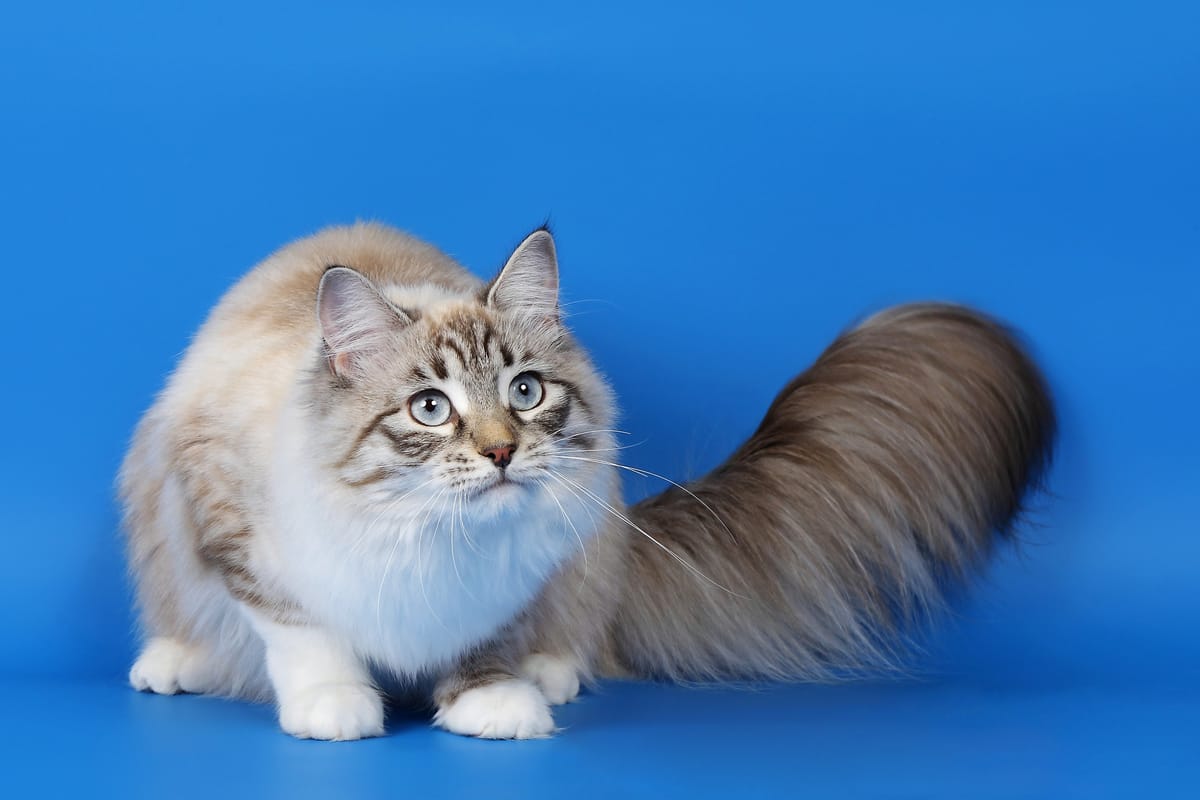
The Ragamuffin's affectionate and docile nature makes them a beloved companion, but their large size and plush coat also come with unique health challenges. As a Ragamuffin owner, it's essential to be aware of the breed's predisposition to certain health issues, such as hypertrophic cardiomyopathy (HCM) and polycystic kidney disease. Regular grooming and monitoring can help prevent or detect these conditions early on, ensuring your Ragamuffin lives a long and healthy life of 12-16 years. With their moderate energy level and tendency to gain weight, Ragamuffin owners must balance their cat's love of food and comfort with a healthy lifestyle. This includes providing regular exercise, a balanced diet, and plenty of opportunities for play and mental stimulation. By understanding the specific needs and health risks of the Ragamuffin breed, owners can take proactive steps to prevent common health issues and ensure their cat remains happy and healthy. As a large and mellow lap cat, the Ragamuffin is prone to weight gain and hairballs, making regular grooming and monitoring crucial. By staying vigilant and taking preventative measures, Ragamuffin owners can help their cat avoid these common health issues and enjoy a long and fulfilling relationship with their pet.
What to look for
Regular Grooming
Regular grooming is essential for Ragamuffins, as their long plush coat requires frequent brushing to prevent matting and tangling. This can help reduce the risk of hairballs and skin irritation, while also providing an opportunity to monitor their overall health and detect any potential issues early on. Aim to brush your Ragamuffin at least 2-3 times a week, and consider using a detangling spray or conditioner to make the process easier and less painful for your cat.
Balanced Diet
A balanced diet is critical for Ragamuffins, as they are prone to weight gain and obesity. Look for a high-quality cat food that is rich in protein and low in carbohydrates, and avoid overfeeding or giving treats too frequently. It's also essential to monitor your Ragamuffin's food intake and adjust their diet as needed to ensure they maintain a healthy weight.
Regular Exercise
Regular exercise is essential for Ragamuffins, as it can help prevent weight gain and reduce the risk of health issues such as HCM. Aim to provide your Ragamuffin with at least 30 minutes of playtime per day, and consider using toys or interactive games to keep them engaged and active. You can also try providing scratching posts or climbing structures to encourage exercise and mental stimulation.
Monitoring Health
Regular monitoring of your Ragamuffin's health is crucial, as it can help detect potential issues early on. Keep an eye out for signs of illness or injury, such as vomiting, diarrhea, or changes in appetite or behavior, and consult with a veterinarian if you have any concerns. It's also essential to stay up-to-date on your Ragamuffin's vaccinations and preventative care, such as flea and tick control and heartworm medication.
Preventative Care
Preventative care is essential for Ragamuffins, as it can help prevent common health issues such as hairballs and skin irritation. Consider using a hairball remedy or preventative medication, and provide regular nail trimming and ear cleaning to keep your Ragamuffin's coat and skin healthy. You can also try providing a humidifier or air purifier to reduce the risk of respiratory issues and keep your Ragamuffin's lungs healthy.
Frequently asked questions
What are the most common health issues in Ragamuffins?
The most common health issues in Ragamuffins include hypertrophic cardiomyopathy (HCM), polycystic kidney disease, obesity, and hairballs. Regular monitoring and preventative care can help reduce the risk of these conditions and ensure your Ragamuffin lives a long and healthy life.
How often should I groom my Ragamuffin?
It's recommended to groom your Ragamuffin at least 2-3 times a week, and consider using a detangling spray or conditioner to make the process easier and less painful for your cat. Regular grooming can help reduce the risk of hairballs and skin irritation, while also providing an opportunity to monitor their overall health and detect any potential issues early on.
What is the best way to prevent obesity in Ragamuffins?
The best way to prevent obesity in Ragamuffins is to provide a balanced diet and regular exercise. Look for a high-quality cat food that is rich in protein and low in carbohydrates, and avoid overfeeding or giving treats too frequently. Aim to provide your Ragamuffin with at least 30 minutes of playtime per day, and consider using toys or interactive games to keep them engaged and active.
How can I reduce the risk of hairballs in my Ragamuffin?
The best way to reduce the risk of hairballs in Ragamuffins is to provide regular grooming and use a hairball remedy or preventative medication. You can also try providing a humidifier or air purifier to reduce the risk of respiratory issues and keep your Ragamuffin's lungs healthy. Regular monitoring of your Ragamuffin's health can also help detect potential issues early on and prevent hairballs from forming.
When should I consult with a veterinarian about my Ragamuffin's health?
It's essential to consult with a veterinarian if you have any concerns about your Ragamuffin's health, such as signs of illness or injury, changes in appetite or behavior, or if you notice any unusual symptoms or changes in their coat or skin. Regular check-ups with a veterinarian can also help detect potential issues early on and prevent common health issues in Ragamuffins.
By understanding the specific needs and health risks of the Ragamuffin breed, owners can take proactive steps to prevent common health issues and ensure their cat remains happy and healthy. Regular grooming, a balanced diet, and regular exercise are all essential for maintaining the health and wellbeing of Ragamuffins, and preventative care can help reduce the risk of common health issues such as hairballs and skin irritation. By staying vigilant and taking preventative measures, Ragamuffin owners can help their cat live a long and fulfilling life and enjoy a strong and healthy bond with their pet.
More for your Ragamuffin
Other breed-matched picks worth a look.