Ragamuffin
The Ragamuffin is a large cat known for being affectionate, docile, friendly.
- Size
- large
- Weight
- 10–20 lbs
- Life span
- 12–16 yrs
- Coat
- long plush
- Shedding
- moderate
- Energy
- moderate
Health to watch for
Common breed predispositions — not a diagnosis. Always consult your vet.
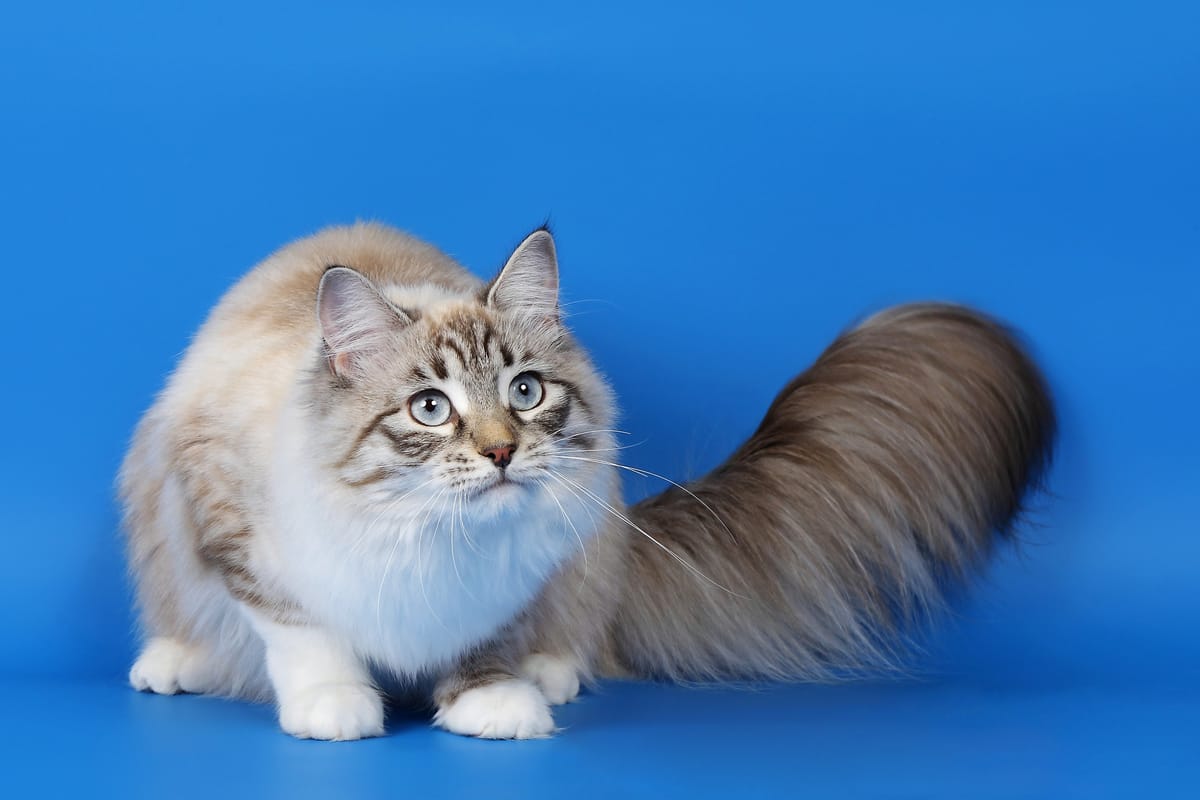
The Ragamuffin's tendency to go limp when held is a testament to their affectionate and docile nature, making them a perfect companion for those who value a laid-back lap cat.
With their large size and moderate energy level, Ragamuffins require a balanced lifestyle that includes regular exercise, a nutritious diet, and plenty of attention. Their long, plush coat demands moderate grooming, which can help strengthen the bond between cat and owner.
As a breed prone to obesity, heart issues, and other health concerns, it's essential for Ragamuffin owners to be mindful of their cat's overall well-being and take proactive steps to prevent or manage these conditions.
Temperament & Personality
Ragamuffins are known for their affectionate, friendly, and patient nature, making them an excellent choice for families with children or for those who want a low-maintenance yet loving companion. They thrive on human interaction and will often seek out attention from their owners. As a result, they require plenty of playtime, cuddling, and socialization to stay happy and healthy.
Daily Care & Grooming
The Ragamuffin's long, plush coat requires regular grooming to prevent matting and tangling. A daily brushing routine can help reduce shedding and hairballs, while also strengthening the bond between cat and owner. Additionally, their moderate energy level means they need regular exercise, such as playtime with toys or short walks on a leash.
Exercise & Enrichment
While Ragamuffins are not overly demanding in terms of exercise, they still need regular physical and mental stimulation to stay healthy and happy. Engage your Ragamuffin in play activities like chasing toys or climbing cat trees, and provide plenty of scratching posts and pads to keep their nails healthy and strong.
Feeding Considerations
As a large breed, Ragamuffins require a nutritious diet that meets their energy needs while also helping to manage their weight. Feed a high-quality cat food that is rich in protein and fiber, and consider a weight management formula to prevent obesity. Additionally, monitor your Ragamuffin's food intake and adjust as needed to prevent overeating.
Cost & Commitment
Owning a Ragamuffin comes with a significant financial commitment, particularly when it comes to their health. Regular veterinary check-ups, preventative care, and potential treatments for health issues like HCM and polycystic kidney disease can add up quickly. As a result, it's essential for prospective owners to consider the long-term costs and ensure they can provide the necessary care and attention.
Ragamuffin FAQ
How often should I groom my Ragamuffin?
Ragamuffins require regular grooming to prevent matting and tangling, with daily brushing recommended to reduce shedding and hairballs. Additionally, trim their nails every few weeks and clean their ears regularly to prevent infections.
Why is my Ragamuffin gaining weight?
Ragamuffins are prone to obesity, so it's essential to monitor their food intake and ensure they're getting enough exercise. Feed a weight management formula, limit treats, and engage your Ragamuffin in regular play activities to keep them healthy and active.
Can Ragamuffins be left alone for extended periods?
While Ragamuffins are relatively low-maintenance, they still require attention and socialization. If you have a busy schedule, consider hiring a pet sitter or asking a friend to check in on your Ragamuffin regularly to provide exercise, playtime, and affection.
How can I prevent hairballs in my Ragamuffin?
Regular grooming, a balanced diet, and plenty of water can help reduce the incidence of hairballs in Ragamuffins. Additionally, consider adding a small amount of canned pumpkin or fiber supplements to their food to help move hair through their digestive system.
What are the most common health issues in Ragamuffins?
Ragamuffins are prone to several health issues, including HCM, polycystic kidney disease, obesity, and hairballs. Regular veterinary check-ups, preventative care, and genetic testing can help identify these issues early, and prompt treatment can improve your Ragamuffin's quality of life.
Top picks for Ragamuffins
- Best Carriers for Ragamuffins →
- Best Wet Food for Ragamuffins →
- Best Water Fountains for Ragamuffins →
- Best Dry Food for Ragamuffins →
- Best Litter for Ragamuffins →
- Best Treats for Ragamuffins →
- Best Beds for Ragamuffins →
- Best Dental Treats for Ragamuffins →
- Best Cat Trees for Ragamuffins →
- Best Litter Boxes for Ragamuffins →
- Best Brushes for Ragamuffins →
- Best Scratching Posts for Ragamuffins →
- Best Calming Aids for Ragamuffins →
- Best Toys for Ragamuffins →
- Best Nail Clippers for Ragamuffins →
- Best Harnesses for Ragamuffins →