Common Rhodesian Ridgeback Health Issues to Watch For
By PetEssentialist Team · Updated June 2026 · How we review
We independently research and pick every product. When you buy through our links we may earn a commission, at no extra cost to you. How this works.
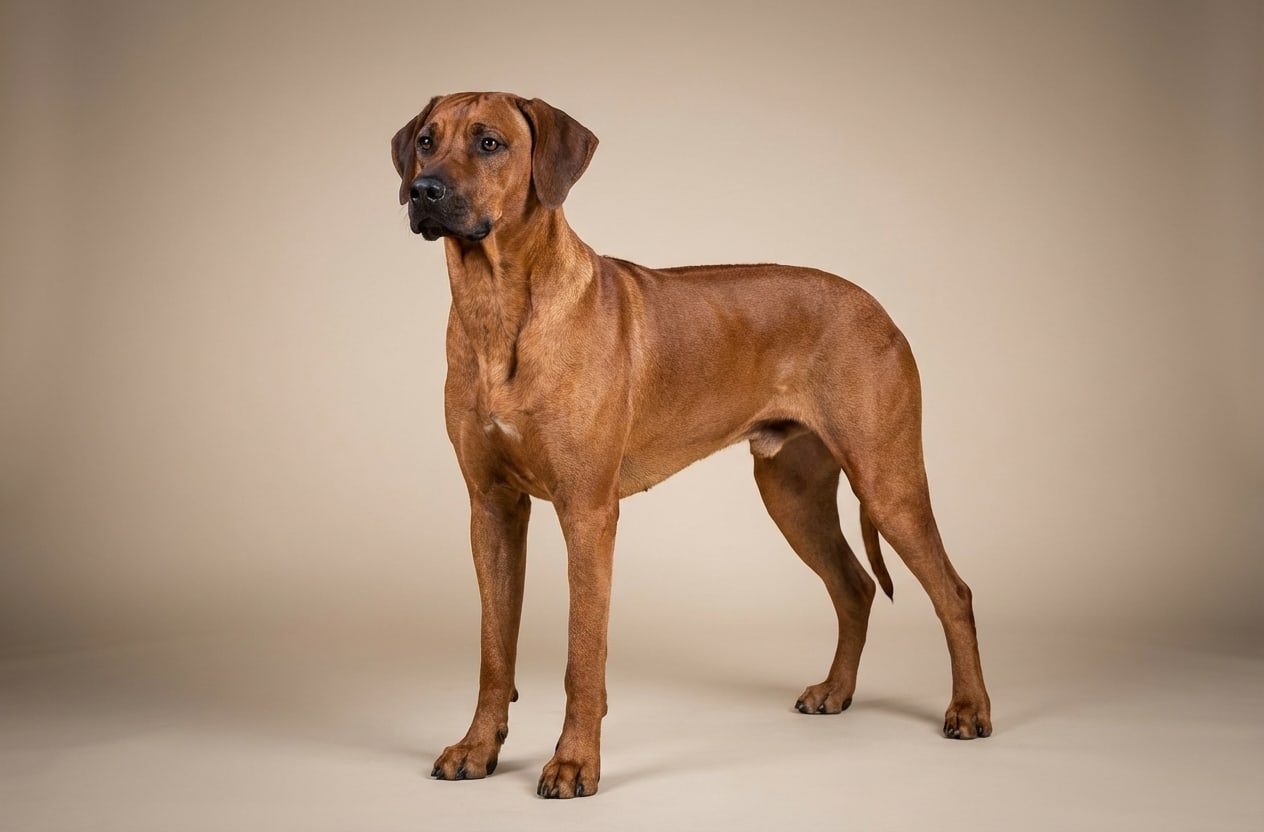
The Rhodesian Ridgeback's deep chest makes them prone to bloat, a life-threatening condition that requires immediate veterinary attention. Owners of this breed must be vigilant and prepared to act quickly in case of an emergency. With their athletic build and high energy level, Rhodesian Ridgebacks need regular exercise and a balanced diet to stay healthy. Rhodesian Ridgebacks are also predisposed to hip dysplasia, a genetic condition that can cause arthritis and mobility issues. Regular check-ups with a veterinarian and a healthy lifestyle can help prevent or manage these conditions. The breed's short, low-maintenance coat is a bonus for busy owners, but it's essential to remember that their dignified and strong-willed temperament requires firm training and socialization. By understanding the specific health needs of the Rhodesian Ridgeback, owners can take proactive steps to prevent common issues and ensure their dog leads a long and healthy life.
What to look for
Monitor for Bloat
Rhodesian Ridgebacks are at high risk for bloat, so it's crucial to monitor their behavior and health closely. Look out for symptoms like restlessness, panting, and a swollen abdomen, and seek immediate veterinary attention if you suspect bloat. Feeding multiple small meals throughout the day and avoiding exercise after meals can help reduce the risk of bloat.
Maintain a Healthy Weight
Rhodesian Ridgebacks need to maintain a healthy weight to reduce the risk of hip dysplasia and other joint issues. A balanced diet and regular exercise can help keep their weight in check. Avoid overfeeding, as this breed can easily become overweight, which can exacerbate health problems.
Provide Regular Exercise
Rhodesian Ridgebacks are high-energy dogs that need regular exercise to stay happy and healthy. Aim for at least an hour of exercise per day, including walks, runs, and playtime. This can help reduce the risk of obesity and other health issues, and also help with training and socialization.
Watch for Signs of Thyroid Issues
Rhodesian Ridgebacks can be prone to thyroid issues, which can cause a range of symptoms including weight gain, skin problems, and hair loss. Keep an eye out for these symptoms and consult with a veterinarian if you notice any changes in your dog's behavior or health.
Check for Dermoid Sinus
Dermoid sinus is a congenital condition that can affect Rhodesian Ridgebacks, causing skin problems and infections. Check your dog regularly for any signs of skin issues or infections, and consult with a veterinarian if you notice any unusual symptoms.
Frequently asked questions
How often should I take my Rhodesian Ridgeback to the vet?
Regular check-ups with a veterinarian are essential for maintaining your Rhodesian Ridgeback's health. Aim for at least one check-up per year, and more often if your dog has any underlying health issues. This can help catch any potential problems early on and prevent more serious issues from developing.
Can I prevent bloat in my Rhodesian Ridgeback?
While it's not possible to completely prevent bloat, there are steps you can take to reduce the risk. Feeding multiple small meals throughout the day, avoiding exercise after meals, and monitoring your dog's behavior and health closely can all help reduce the risk of bloat.
How much exercise does my Rhodesian Ridgeback need?
Rhodesian Ridgebacks are high-energy dogs that need at least an hour of exercise per day. This can include walks, runs, and playtime, and should be tailored to your dog's individual needs and health status.
What are the symptoms of hip dysplasia in Rhodesian Ridgebacks?
The symptoms of hip dysplasia in Rhodesian Ridgebacks can include arthritis, mobility issues, and pain. If you notice any of these symptoms in your dog, consult with a veterinarian for advice on how to manage the condition and prevent further problems.
Can I train my Rhodesian Ridgeback myself, or do I need to hire a professional?
While it's possible to train your Rhodesian Ridgeback yourself, this breed can be strong-willed and independent, so professional training may be necessary. Consult with a veterinarian or a professional dog trainer for advice on how to train your dog effectively and address any behavioral issues.
By understanding the specific health needs of the Rhodesian Ridgeback and taking proactive steps to prevent common issues, owners can help their dog lead a long and healthy life. Prioritizing regular exercise, a balanced diet, and regular veterinary check-ups is essential for maintaining this breed's overall health and well-being. With the right care and attention, Rhodesian Ridgebacks can thrive and make loyal and loving companions.
More for your Rhodesian Ridgeback
Other breed-matched picks worth a look.