Rhodesian Ridgeback
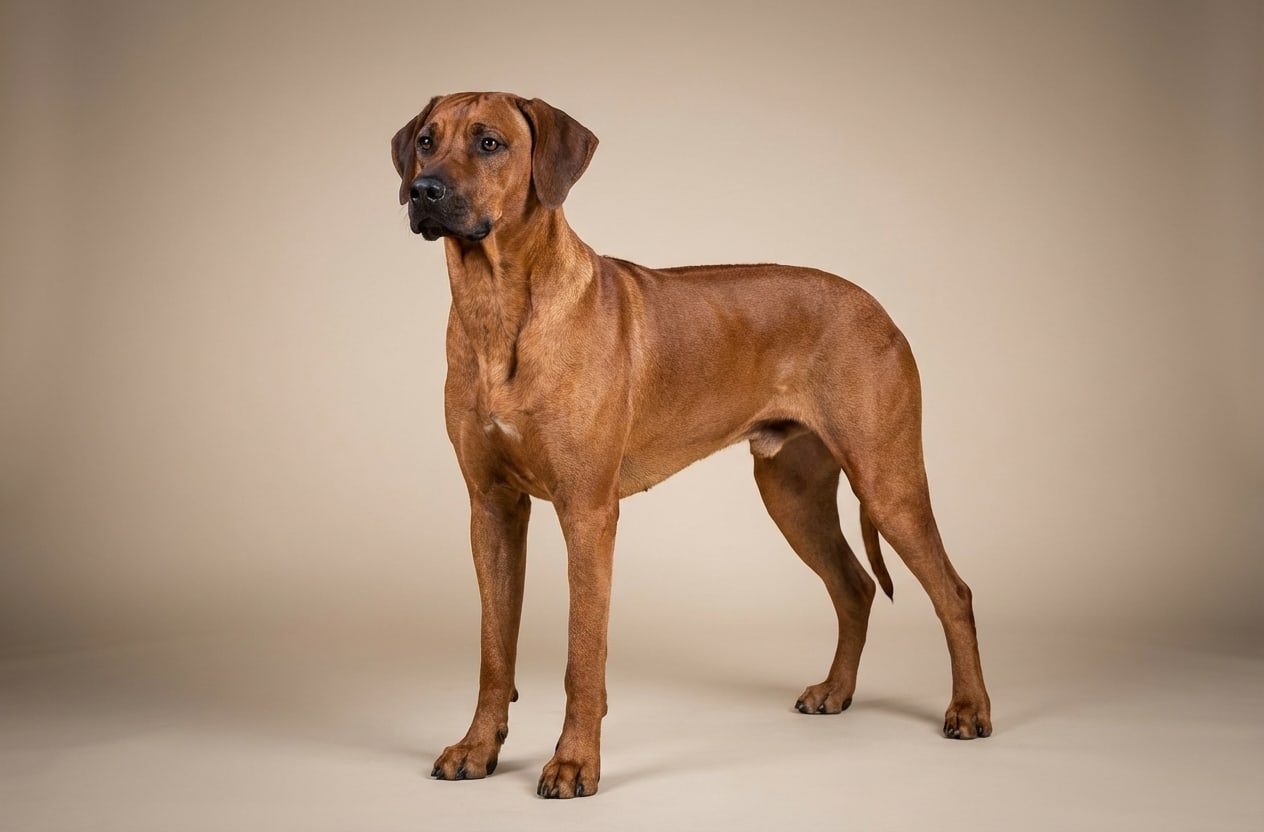
The Rhodesian Ridgeback is a large dog known for being dignified, strong-willed, loyal.
- Size
- large
- Weight
- 70–85 lbs
- Life span
- 10–12 yrs
- Coat
- short single
- Shedding
- low
- Energy
- high
Health to watch for
Common breed predispositions — not a diagnosis. Always consult your vet.
Rhodesian Ridgebacks are prone to bloat, a life-threatening condition that requires immediate veterinary attention. Thisdeep-chested breed needs owners who are aware of the risks and can provide prompt care.
As a large, athletic hound, the Rhodesian Ridgeback has a unique combination of strength, speed, and agility. Their short, single coat requires minimal grooming, but their high energy level demands regular exercise and mental stimulation.
With proper care and attention, Rhodesian Ridgebacks can thrive as loyal and loving companions. Their dignified and strong-willed temperament makes them a great fit for active families or individuals who can provide firm training and socialization.
Exercise and Enrichment
Rhodesian Ridgebacks need at least 1-2 hours of exercise and mental stimulation daily, including runs, hikes, and playtime. They also require regular training sessions to keep them focused and engaged. A mix of physical and mental activities can help prevent boredom and destructive behavior. Providing a securely fenced area for off-leash play is also essential to prevent escape attempts.
Grooming and Hygiene
Despite their short coat, Rhodesian Ridgebacks still require regular nail trimming, ear cleaning, and dental care. Their low-maintenance coat needs occasional brushing to remove loose hair, but they are generally easy to groom. Regular cleaning of their living area can also help reduce shedding and prevent skin irritations.
Feeding and Nutrition
Rhodesian Ridgebacks are prone to hip dysplasia and other joint issues, so a balanced diet that supports joint health is essential. They also require a high-quality food that meets their energy needs, with a mix of protein, fat, and complex carbohydrates. Avoiding overfeeding can help prevent obesity and related health issues.
Training and Socialization
Rhodesian Ridgebacks are strong-willed and independent, requiring consistent and positive training from an early age. Socialization is also crucial to help them become confident and calm in new situations. Early exposure to various environments, people, and animals can help prevent anxiety and fear-based behaviors.
Health and Monitoring
Regular veterinary check-ups and monitoring for signs of bloat, hip dysplasia, and other health issues are crucial for Rhodesian Ridgebacks. Keeping a close eye on their overall health and behavior can help prevent minor issues from becoming major problems. Working closely with a veterinarian can also help identify potential health risks and develop a plan for prevention and management.
Rhodesian Ridgeback FAQ
How often should I exercise my Rhodesian Ridgeback?
Rhodesian Ridgebacks need at least 1-2 hours of exercise and mental stimulation daily, including a mix of physical and mental activities. This can include runs, hikes, playtime, and training sessions.
Why is my Rhodesian Ridgeback shedding so much?
Despite their low-maintenance coat, Rhodesian Ridgebacks still shed occasionally. Regular brushing and cleaning of their living area can help reduce shedding and prevent skin irritations.
Can Rhodesian Ridgebacks be left alone for long periods?
Rhodesian Ridgebacks are social animals and prefer to be with their family. Leaving them alone for long periods can lead to boredom, destructive behavior, and anxiety. Providing regular exercise, training, and mental stimulation can help prevent these issues.
How can I prevent bloat in my Rhodesian Ridgeback?
While it's impossible to completely prevent bloat, owners can reduce the risk by feeding multiple small meals, avoiding exercise after eating, and monitoring their dog's behavior for signs of discomfort or distress. Regular veterinary check-ups can also help identify potential health risks.
Are Rhodesian Ridgebacks good with children?
Rhodesian Ridgebacks can make great family pets, but they require early socialization and training to ensure they're comfortable and calm around children. Supervising interactions and teaching children how to interact with dogs safely is also essential to prevent accidents.
Top picks for Rhodesian Ridgebacks
- Best Cooling Mats for Rhodesian Ridgebacks →
- Best Food for Rhodesian Ridgebacks →
- Best Beds for Rhodesian Ridgebacks →
- Best Dental Chews for Rhodesian Ridgebacks →
- Best Treats for Rhodesian Ridgebacks →
- Best Crates for Rhodesian Ridgebacks →
- Best Nail Clippers for Rhodesian Ridgebacks →
- Best Brushes for Rhodesian Ridgebacks →
- Best Chew Toys for Rhodesian Ridgebacks →
- Best Shampoo for Rhodesian Ridgebacks →
- Best Leashes for Rhodesian Ridgebacks →
- Best Collars for Rhodesian Ridgebacks →
- Best Harnesses for Rhodesian Ridgebacks →
- Best Jackets & Coats for Rhodesian Ridgebacks →
- Best Training Pads for Rhodesian Ridgebacks →
- Best Joint Supplements for Rhodesian Ridgebacks →
- Best Ear Cleaners for Rhodesian Ridgebacks →
- Best Toys for Rhodesian Ridgebacks →