Common Savannah Health Issues to Watch For
By PetEssentialist Team · Updated July 2026 · How we review
We independently research and pick every product. When you buy through our links we may earn a commission, at no extra cost to you. How this works.
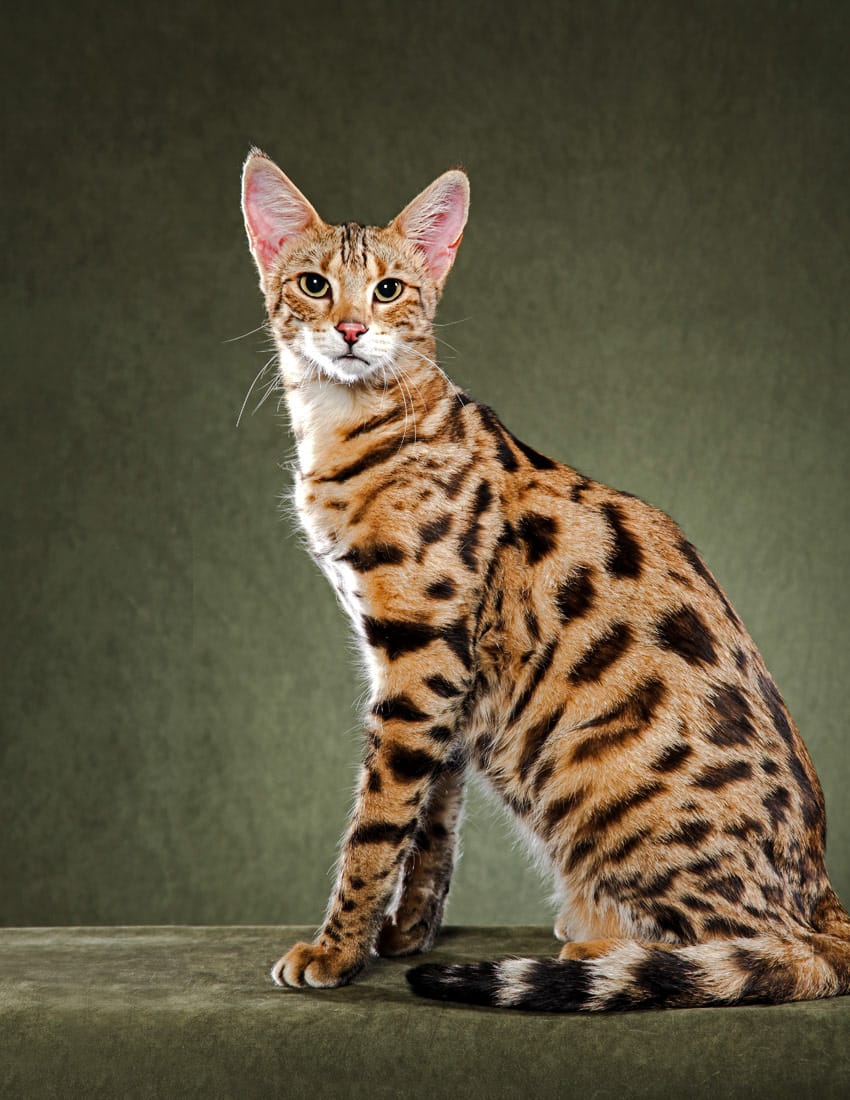
Savannah cats are prone to heart issues, particularly Hypertrophic Cardiomyopathy (HCM), a condition that can lead to heart failure if left undiagnosed. Their tall, wild-looking hybrid build and extremely high energy levels make them a unique and adventurous breed. As a Savannah owner, it's essential to monitor their heart health closely, as well as be aware of other potential health issues such as anesthesia sensitivity, taurine deficiency, and digestive sensitivity. With their dog-like personalities and high energy levels, Savannah cats require lots of enrichment and vertical space to stay happy and healthy. Regular veterinary check-ups and a balanced diet can help prevent or manage these conditions, ensuring a long and healthy life for these remarkable cats.
What to look for
Monitor Heart Health
Regular veterinary check-ups are crucial for Savannah cats, particularly to monitor their heart health. A veterinarian can perform annual echocardiograms to detect any signs of HCM. Owners should also be aware of the symptoms of HCM, such as difficulty breathing, lethargy, and pale gums. Early detection and treatment can significantly improve a cat's quality of life.
Provide Balanced Nutrition
Savannah cats require a balanced diet rich in taurine to prevent deficiency. Owners should choose a high-quality cat food that meets their nutritional needs, and consider consulting with a veterinarian to determine the best diet for their cat. A taurine-rich diet can help prevent heart problems and other health issues.
Manage Anesthesia Sensitivity
Savannah cats are sensitive to anesthesia, which can increase the risk of complications during surgery. Owners should discuss their cat's anesthesia sensitivity with their veterinarian before any surgical procedure, and explore alternative options or precautions that can be taken to minimize risks.
Maintain Digestive Health
Savannah cats can be prone to digestive sensitivity, which can lead to symptoms such as diarrhea, vomiting, and abdominal pain. Owners can help manage their cat's digestive health by providing a balanced diet, ensuring access to fresh water, and monitoring their cat's stool quality and overall health.
Provide Enrichment and Exercise
Savannah cats require lots of enrichment and exercise to stay happy and healthy. Owners should provide plenty of toys, scratching posts, and climbing structures to keep their cat active and engaged. Regular playtime and exercise can help reduce stress and prevent behavioral problems.
Frequently asked questions
How often should I take my Savannah cat to the vet?
Savannah cats should have regular veterinary check-ups at least twice a year, with annual echocardiograms to monitor their heart health. Additionally, owners should seek veterinary attention immediately if they notice any symptoms of illness or injury.
What are the symptoms of HCM in Savannah cats?
Symptoms of HCM in Savannah cats can include difficulty breathing, lethargy, pale gums, and coughing. Owners should seek veterinary attention immediately if they notice any of these symptoms in their cat.
Can Savannah cats eat a raw diet?
While some owners choose to feed their Savannah cats a raw diet, it's essential to consult with a veterinarian to determine the best diet for their cat. A raw diet can be nutritionally unbalanced and increase the risk of health problems if not properly managed.
How can I help my Savannah cat manage stress?
Savannah cats can be prone to stress due to their high energy levels and curious nature. Owners can help manage their cat's stress by providing plenty of enrichment and exercise, creating a calm and comfortable environment, and considering stress-reducing products or supplements under the guidance of a veterinarian.
What is the average lifespan of a Savannah cat?
The average lifespan of a Savannah cat is 12-20 years, depending on various factors such as diet, lifestyle, and health conditions. With proper care and attention, many Savannah cats can live well into their teens and enjoy a long and happy life.
For Savannah owners, prioritizing heart health and providing a balanced lifestyle is crucial for their cat's overall well-being. By monitoring their cat's heart health, providing balanced nutrition, and managing anesthesia sensitivity and digestive health, owners can help prevent or manage common health issues and ensure a long and healthy life for their Savannah cat. Regular veterinary check-ups and a commitment to providing enrichment and exercise are essential for supporting the unique needs of this adventurous and loving breed.
More for your Savannah
Other breed-matched picks worth a look.