Savannah
The Savannah is a large cat known for being adventurous, loyal, active.
- Size
- large
- Weight
- 8–20 lbs
- Life span
- 12–20 yrs
- Coat
- short spotted
- Shedding
- low
- Energy
- very high
Health to watch for
Common breed predispositions — not a diagnosis. Always consult your vet.
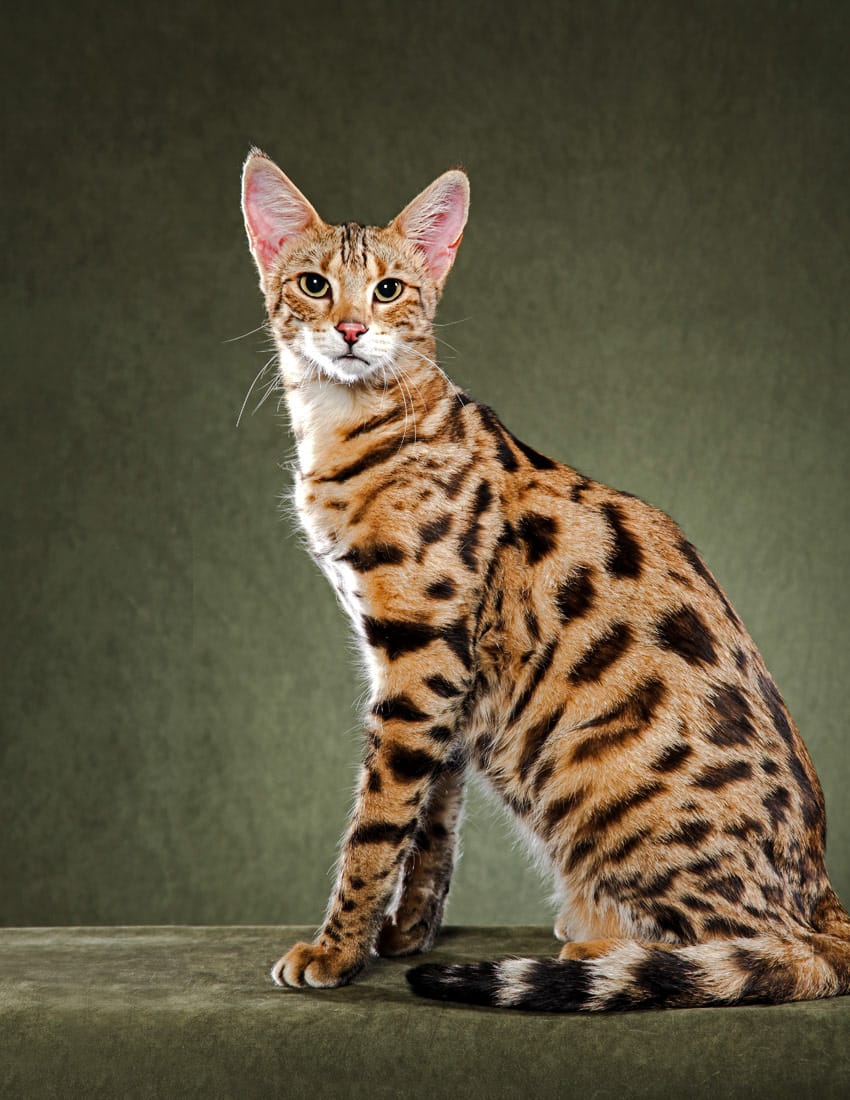
The Savannah cat's extremely high energy level is the highest-stakes factor for owners, requiring careful planning and provision of ample exercise and enrichment opportunities. This breed's adventurous and curious nature means they need lots of stimulation to prevent boredom and destructive behavior. With their tall, wild-looking appearance and dog-like personality, Savannah cats are a unique and demanding pet that requires a committed owner.
Savannah cats are a hybrid breed, resulting from the cross between a domestic cat and a serval, a wild African cat. This heritage is reflected in their striking appearance, with a short spotted coat and a muscular build. Despite their large size, Savannah cats are agile and athletic, with a reputation for being highly intelligent and active.
With a lifespan of 12-20 years, Savannah cats are a long-term commitment that requires careful consideration of their specific needs and health considerations. Their loyalty and affection towards their owners make them a rewarding pet, but their high energy level and potential health issues mean they are not suited to all owners.
Temperament and Personality
Savannah cats are known for their adventurous and curious nature, requiring plenty of stimulation and exercise to prevent boredom and destructive behavior. They are loyal and affectionate towards their owners, but can be wary of strangers and may require time to warm up to new people. With their high energy level, they need plenty of opportunities for play and exploration.
Daily Care and Grooming
Savannah cats have a short spotted coat that requires minimal grooming, making them a good choice for owners who don't want to spend a lot of time on coat care. However, their large size and high energy level mean they need plenty of space to move around and exercise. A large, sturdy litter box and scratching post are essential for this breed.
Exercise and Enrichment
Savannah cats need plenty of exercise and enrichment opportunities to keep them happy and healthy. This can include playtime with toys, climbing structures, and plenty of vertical space to explore. They also benefit from interactive toys and puzzle toys that challenge their problem-solving skills and keep them engaged.
Feeding Considerations
Savannah cats are prone to digestive sensitivity and taurine deficiency, so they require a high-quality diet that meets their specific nutritional needs. They are also at risk of obesity, so portion control and regular monitoring of their weight are essential. A balanced and nutritious diet that includes plenty of protein and limited carbohydrates is recommended.
Cost and Commitment
Savannah cats are a significant investment, with a high purchase price and ongoing costs for food, veterinary care, and supplies. They also require a long-term commitment to their care and well-being, with a lifespan of 12-20 years. Owners need to be prepared to provide plenty of time, attention, and resources to meet their specific needs.
Savannah FAQ
How much exercise does a Savannah cat need?
Savannah cats require plenty of exercise and enrichment opportunities to keep them happy and healthy. A minimum of 2-3 hours of playtime and exploration per day is recommended, including climbing, running, and interactive play.
Are Savannah cats prone to any health issues?
Yes, Savannah cats are prone to several health issues, including HCM, anesthesia sensitivity, taurine deficiency, and digestive sensitivity. Regular veterinary check-ups and a balanced diet can help mitigate these risks.
Can Savannah cats be trained?
Yes, Savannah cats are highly intelligent and responsive to training. Positive reinforcement techniques, such as clicker training and reward-based learning, are recommended to encourage good behavior and discourage bad habits.
How much space does a Savannah cat need?
Savannah cats require plenty of space to move around and exercise, with a minimum of 2-3 rooms or a large, open-plan living area recommended. They also benefit from vertical space, such as cat trees and climbing structures.
Are Savannah cats suitable for families with children?
Savannah cats can be suitable for families with children, but they require careful introduction and socialization to ensure a smooth transition. They can be wary of strangers and may require time to warm up to new people, so patience and gentle handling are essential.
Top picks for Savannahs
- Best Dry Food for Savannahs →
- Best Wet Food for Savannahs →
- Best Dental Treats for Savannahs →
- Best Litter for Savannahs →
- Best Litter Boxes for Savannahs →
- Best Cat Trees for Savannahs →
- Best Scratching Posts for Savannahs →
- Best Treats for Savannahs →
- Best Nail Clippers for Savannahs →
- Best Water Fountains for Savannahs →
- Best Beds for Savannahs →
- Best Calming Aids for Savannahs →
- Best Toys for Savannahs →
- Best Brushes for Savannahs →
- Best Harnesses for Savannahs →
- Best Carriers for Savannahs →