Common Shetland Sheepdog Health Issues to Watch For
By PetEssentialist Team · Updated July 2026 · How we review
We independently research and pick every product. When you buy through our links we may earn a commission, at no extra cost to you. How this works.
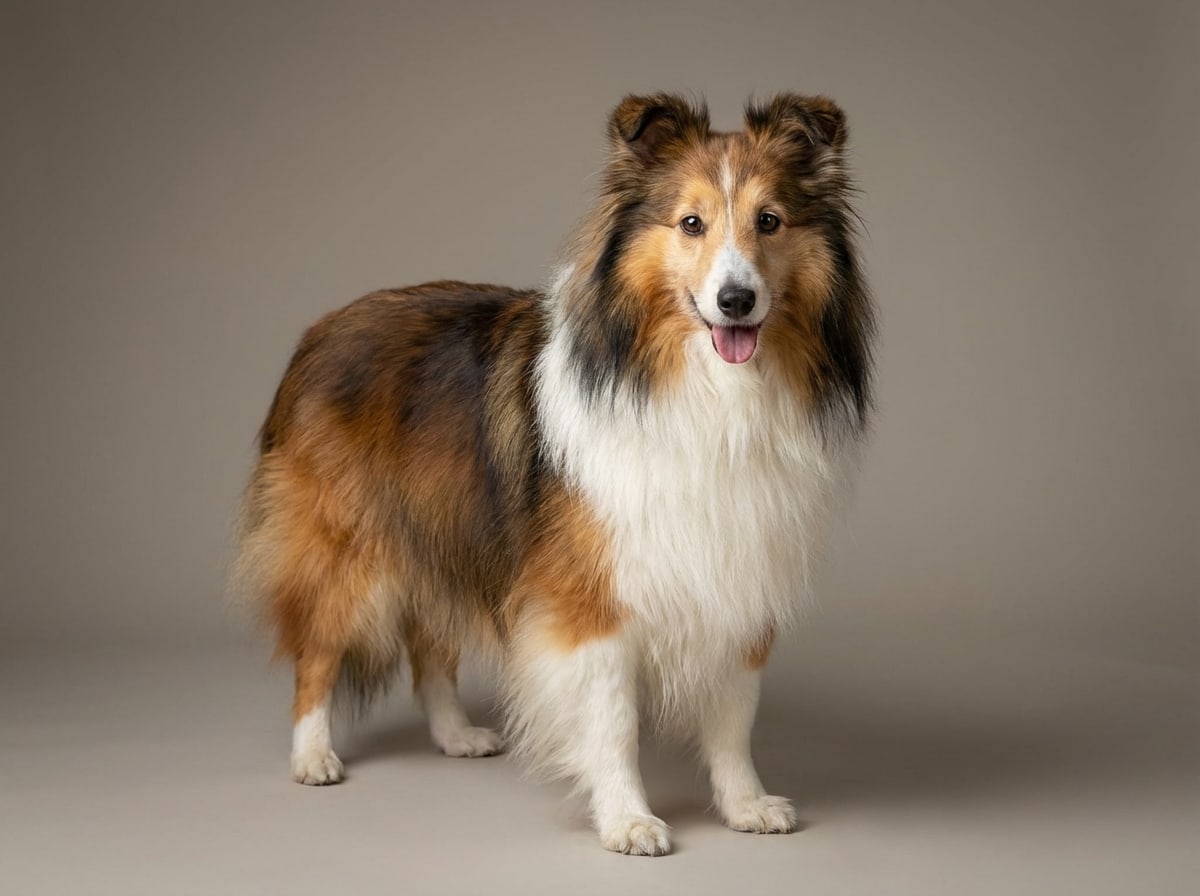
The Shetland Sheepdog's long double coat and high energy level make them a joyful companion, but also predispose them to certain health issues. As a breed, they are prone to hip dysplasia, eye conditions such as Collie Eye Anomaly (CEA), hypothyroidism, and dermatomyositis. Regular grooming is essential to prevent matting and tangling of their coat, while also monitoring for signs of skin problems. With their high intelligence and sensitivity, Shetland Sheepdogs are highly trainable, but they require careful handling and socialization to avoid anxiety and stress-related issues. Their small size and high energy level mean they need regular exercise and mental stimulation to prevent boredom and destructive behavior. By understanding the common health issues affecting the Shetland Sheepdog breed, owners can take proactive steps to prevent and manage these conditions, ensuring their dog leads a happy and healthy life.
What to look for
Regular Grooming
Regular grooming is crucial for Shetland Sheepdogs to prevent matting and tangling of their coat. Daily brushing and regular trimming can help reduce the risk of skin problems and dermatomyositis. It's also essential to check for signs of eye problems, such as redness or discharge, and to monitor their overall health.
Hip Health
Shetland Sheepdogs are prone to hip dysplasia, so it's essential to monitor their hip health from an early age. Regular exercise and a balanced diet can help maintain healthy joints, while avoiding excessive jumping and stress on their joints can help prevent hip problems.
Eye Care
Shetland Sheepdogs are prone to eye conditions such as CEA, so regular eye checks are vital. Owners should monitor their dog's eyes for signs of redness, discharge, or vision problems, and consult a veterinarian if they notice any unusual symptoms.
Diet and Nutrition
A balanced diet is essential for maintaining the overall health of Shetland Sheepdogs. Owners should choose a high-quality dog food that meets their nutritional needs, and avoid overfeeding, which can lead to obesity and related health problems.
Regular Veterinary Check-Ups
Regular veterinary check-ups are crucial for monitoring the health of Shetland Sheepdogs. Owners should schedule annual check-ups, and consult a veterinarian if they notice any unusual symptoms or changes in their dog's behavior or health.
Frequently asked questions
How often should I groom my Shetland Sheepdog?
Shetland Sheepdogs require daily brushing and regular trimming to prevent matting and tangling of their coat. It's recommended to brush them at least 2-3 times a week, and to trim their coat every 6-8 weeks.
What are the signs of hip dysplasia in Shetland Sheepdogs?
Signs of hip dysplasia in Shetland Sheepdogs include stiffness, limping, and difficulty rising from a lying down position. Owners should monitor their dog's mobility and consult a veterinarian if they notice any unusual symptoms.
Can Shetland Sheepdogs be prone to eye problems?
Yes, Shetland Sheepdogs are prone to eye conditions such as CEA. Owners should monitor their dog's eyes for signs of redness, discharge, or vision problems, and consult a veterinarian if they notice any unusual symptoms.
How can I prevent obesity in my Shetland Sheepdog?
To prevent obesity in Shetland Sheepdogs, owners should choose a high-quality dog food, avoid overfeeding, and ensure their dog gets regular exercise. It's recommended to feed them 2-3 times a day, and to limit treats and snacks.
When should I consult a veterinarian about my Shetland Sheepdog's health?
Owners should consult a veterinarian if they notice any unusual symptoms or changes in their dog's behavior or health. It's also essential to schedule annual check-ups to monitor their dog's overall health and to catch any potential health problems early.
By understanding the common health issues affecting Shetland Sheepdogs and taking proactive steps to prevent and manage these conditions, owners can help their dog lead a happy and healthy life. Regular grooming, monitoring of hip health, and regular veterinary check-ups are essential for maintaining the overall health of this breed. With careful attention and care, Shetland Sheepdogs can thrive and bring joy and companionship to their owners for many years.
More for your Shetland Sheepdog
Other breed-matched picks worth a look.