Shetland Sheepdog
The Shetland Sheepdog is a small dog known for being playful, bright, sensitive.
- Size
- small
- Weight
- 15–25 lbs
- Life span
- 12–14 yrs
- Coat
- long double
- Shedding
- high
- Energy
- high
Health to watch for
Common breed predispositions — not a diagnosis. Always consult your vet.
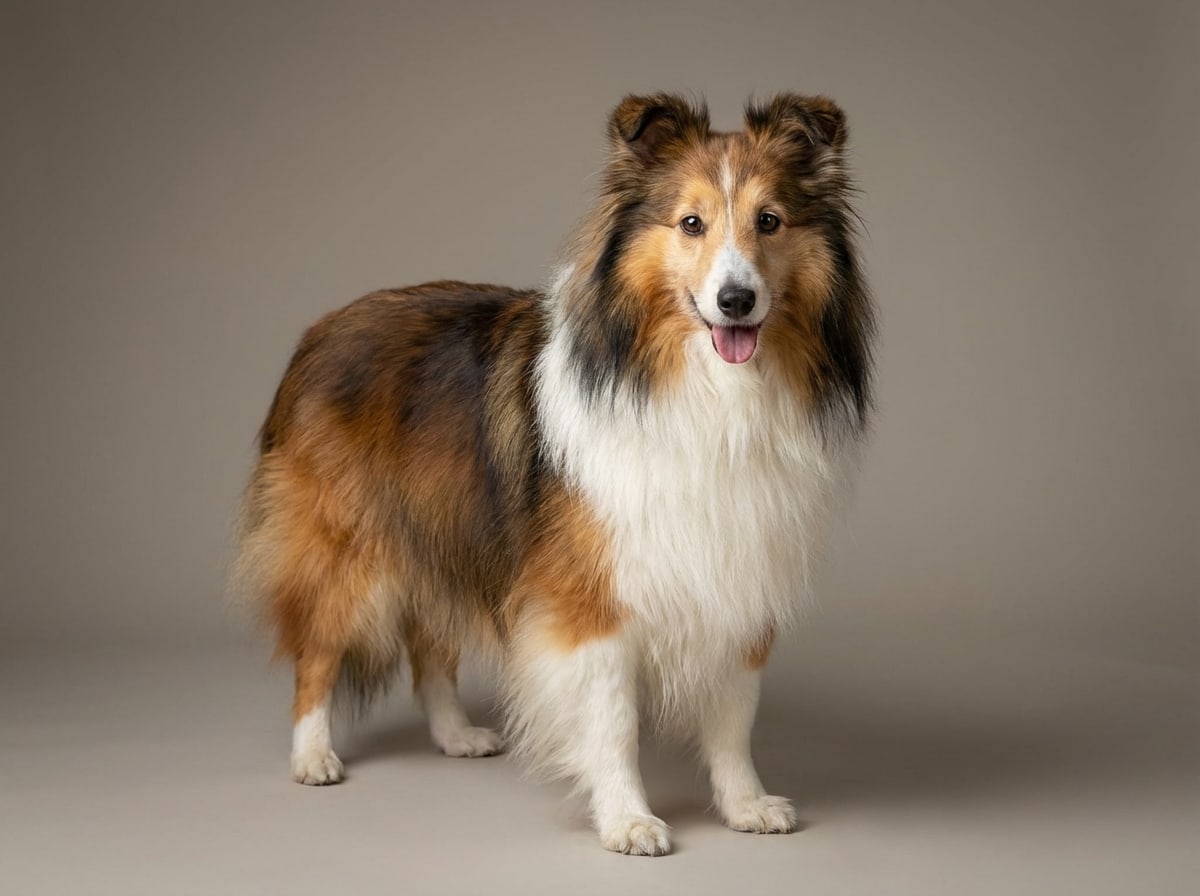
For many Shetland Sheepdog owners, managing their pet's high energy level and thick double coat can be a daily challenge. The breed's long, flowing coat requires regular grooming to prevent matting and tangling, while their high energy demands consistent exercise and mental stimulation.
Shetland Sheepdogs are highly trainable, but their sensitivity means they respond best to positive, gentle training methods. Their small size belies a big personality, and they thrive on interaction and attention from their owners.
With a lifespan of 12-14 years, Shetland Sheepdogs are a long-term commitment, and owners must be prepared to address potential health issues such as hip dysplasia, eye conditions, and hypothyroidism.
Temperament and Training
Shetland Sheepdogs are known for their intelligence, loyalty, and sensitivity. They require patient, positive training and consistent socialization to become well-adjusted adult dogs. Early training is crucial to develop good behavior and prevent unwanted habits. Their herding instincts can manifest as vocalization and a strong desire to chase, so owners must be prepared to channel these energies into productive activities.
Daily Care and Grooming
The Shetland Sheepdog's thick double coat requires regular brushing to prevent matting and tangling. Daily grooming sessions help to reduce shedding and prevent hair from getting everywhere. Owners should also be prepared for regular nail trimming, ear cleaning, and dental care to prevent health issues. A clean, well-maintained coat is essential for the breed's overall health and well-being.
Exercise and Enrichment
Shetland Sheepdogs are high-energy dogs that require regular exercise to stay happy and healthy. Daily walks, playtime, and mental stimulation are essential to prevent boredom and destructive behavior. Owners can engage their pets in activities such as agility training, obedience exercises, or simply playing fetch in the park. A tired Shetland Sheepdog is a happy one, and exercise helps to maintain their physical and mental well-being.
Feeding Considerations
Shetland Sheepdogs are small dogs with big appetites, and they require a balanced diet that meets their nutritional needs. Owners should choose a high-quality dog food that is suitable for their pet's age, size, and activity level. The breed's prone to hypothyroidism, so a diet rich in nutrients and vitamins is essential to support their overall health. Regular feeding schedules and portion control can help maintain a healthy weight and prevent obesity-related issues.
Cost and Commitment
Owning a Shetland Sheepdog is a significant commitment, both in terms of time and money. The breed's high grooming needs, potential health issues, and exercise requirements mean that owners must be prepared to invest in their pet's care. The cost of owning a Shetland Sheepdog can add up quickly, so owners should factor in expenses such as food, vet bills, and grooming supplies when deciding whether to bring a pet into their home.
Shetland Sheepdog FAQ
How often should I groom my Shetland Sheepdog?
Shetland Sheepdogs require daily grooming to prevent matting and tangling, with a minimum of 30 minutes per session. Owners should also consider professional grooming every 6-8 weeks to maintain their pet's coat and prevent hair from getting everywhere.
Why is my Shetland Sheepdog so vocal?
Shetland Sheepdogs are naturally vocal dogs, and their herding instincts can manifest as barking or whining. Owners can address this behavior by providing adequate exercise, mental stimulation, and training to channel their pet's energies into productive activities.
Can Shetland Sheepdogs be left alone for long periods?
Shetland Sheepdogs are social dogs that thrive on interaction and attention from their owners. While they can be left alone for short periods, prolonged solitude can lead to separation anxiety and destructive behavior. Owners should consider providing their pet with plenty of exercise, mental stimulation, and companionship to prevent these issues.
How much exercise does a Shetland Sheepdog need?
Shetland Sheepdogs require regular exercise to stay happy and healthy, with a minimum of 30 minutes per day. Owners can engage their pets in activities such as agility training, obedience exercises, or simply playing fetch in the park. A tired Shetland Sheepdog is a happy one, and exercise helps to maintain their physical and mental well-being.
Are Shetland Sheepdogs suitable for first-time dog owners?
Shetland Sheepdogs can make great companions for first-time dog owners, but they do require a significant amount of time, effort, and resources. Owners must be prepared to address the breed's specific needs, including their high energy level, grooming requirements, and potential health issues. With patience, dedication, and the right training, Shetland Sheepdogs can thrive in a variety of living situations.
Top picks for Shetland Sheepdogs
- Best Food for Shetland Sheepdogs →
- Best Dental Chews for Shetland Sheepdogs →
- Best Crates for Shetland Sheepdogs →
- Best Treats for Shetland Sheepdogs →
- Best Brushes for Shetland Sheepdogs →
- Best Shampoo for Shetland Sheepdogs →
- Best Harnesses for Shetland Sheepdogs →
- Best Leashes for Shetland Sheepdogs →
- Best Collars for Shetland Sheepdogs →
- Best Chew Toys for Shetland Sheepdogs →
- Best Beds for Shetland Sheepdogs →
- Best Nail Clippers for Shetland Sheepdogs →
- Best Toys for Shetland Sheepdogs →
- Best Joint Supplements for Shetland Sheepdogs →
- Best Cooling Mats for Shetland Sheepdogs →
- Best Jackets & Coats for Shetland Sheepdogs →
- Best Ear Cleaners for Shetland Sheepdogs →
- Best Training Pads for Shetland Sheepdogs →