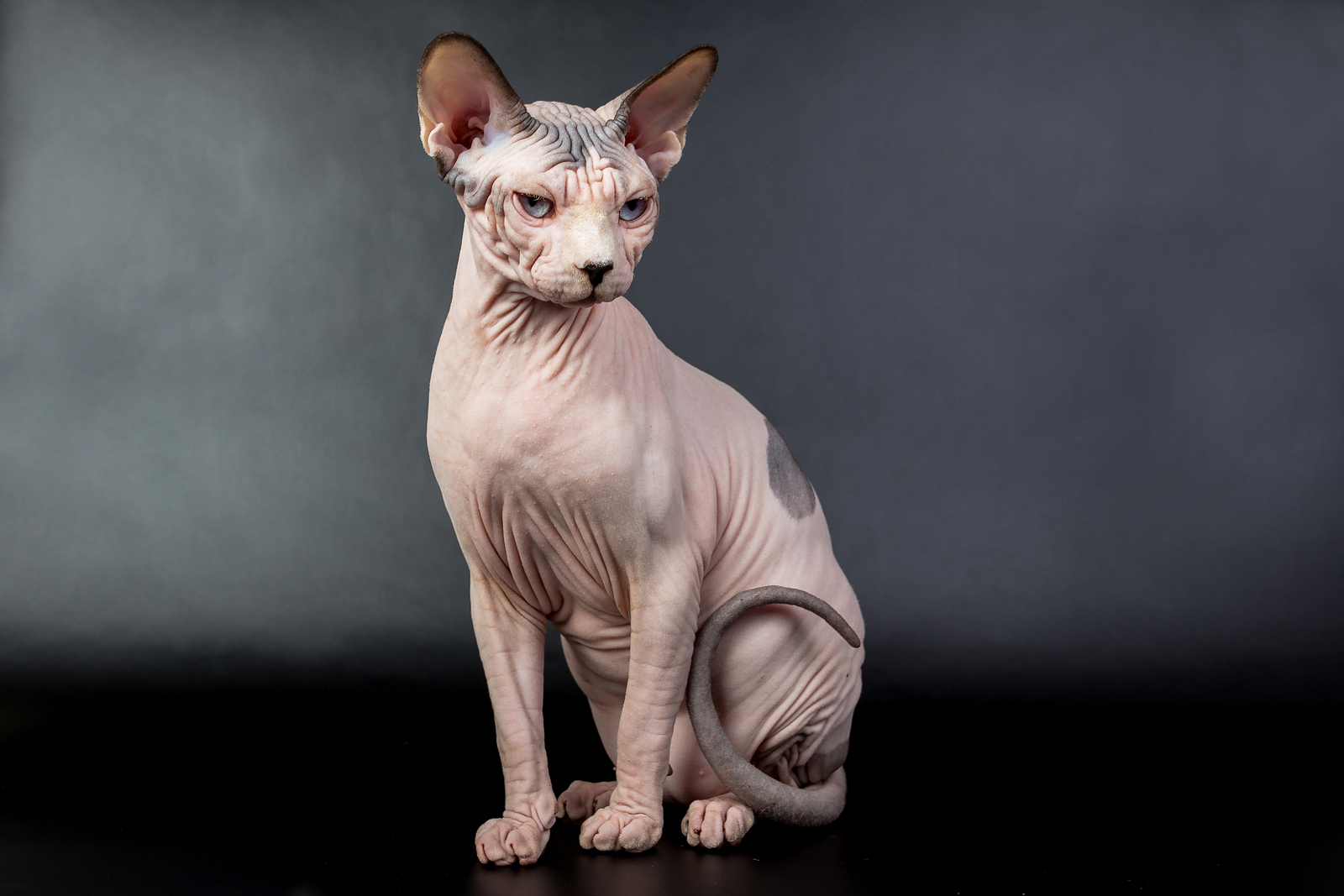
Common Sphynx Health Issues to Watch For
By PetEssentialist Team · Updated June 2026 · How we review
We independently research and pick every product. When you buy through our links we may earn a commission, at no extra cost to you. How this works.
Despite their sleek, hairless bodies, Sphynx cats require meticulous care to stay healthy. One crucial aspect often overlooked is their skin's tendency to accumulate oil, which can lead to skin problems if not properly managed. As a Sphynx owner, it's essential to understand that their high energy level and curious nature can sometimes put them at risk of injuries or accidents, making regular veterinary check-ups vital. With their affectionate and social temperament, Sphynx cats thrive on interaction, but this also means they can be prone to stress and anxiety if left alone for extended periods, highlighting the need for a thoughtful and attentive care approach.
What to look for
Regular Grooming
Sphynx cats need regular bathing to prevent skin oil buildup, ideally once a week. This not only keeps their skin healthy but also helps to distribute natural oils evenly, reducing the risk of skin issues. It's crucial to use gentle, specifically formulated products for their skin type to avoid irritation.
Temperature Control
Given their hairlessness, Sphynx cats are highly sensitive to temperature fluctuations. Ensuring they have a warm, draft-free environment is key, especially in colder climates. Providing warm beds or heated pads can help maintain their comfort and prevent hypothermia.
Dental Care
Dental disease is a significant concern for Sphynx cats, emphasizing the importance of regular dental checks and a good oral hygiene routine. Daily brushing, if possible, and providing dental chews or toys can help reduce tartar buildup and prevent more severe issues.
Heart Health Monitoring
Sphynx cats are predisposed to heart conditions such as hypertrophic cardiomyopathy (HCM). Regular check-ups with a veterinarian are crucial for early detection and management of heart issues. A healthy diet and maintaining an optimal weight are also vital in reducing the risk of heart disease.
Social Interaction and Stress Management
Given their social and affectionate nature, Sphynx cats require considerable interaction and playtime. Ensuring they receive adequate attention and providing toys and stimulation can help manage stress and prevent behavioral issues. For owners with busy schedules, considering a companion pet or engaging in play before leaving the house can be beneficial.
Frequently asked questions
How often should I bathe my Sphynx cat?
Bathing your Sphynx cat once a week is recommended to prevent skin oil buildup. However, this frequency may vary depending on your cat's lifestyle and environment. Always use gentle, specifically formulated products for their skin type.
Why is my Sphynx cat always cold?
Sphynx cats are prone to feeling cold due to their lack of fur. Providing a warm environment, using heated beds, or even clothing can help keep them comfortable. It's also essential to ensure they have access to warm places to sleep and relax.
Can Sphynx cats go outside?
While Sphynx cats can enjoy supervised outdoor time, it's crucial to protect them from the sun and cold temperatures. Their skin is highly sensitive and can burn easily, and they can quickly become hypothermic in cold conditions. Outdoor access should be limited and carefully managed.
How can I prevent dental disease in my Sphynx cat?
Regular dental checks, daily brushing if possible, and providing dental chews or toys can help prevent dental disease. A balanced diet that supports oral health is also important. Consult with your veterinarian for the best dental care plan for your Sphynx cat.
What are the signs of heart disease in Sphynx cats?
Signs of heart disease in Sphynx cats can include difficulty breathing, lethargy, and poor appetite. Regular veterinary check-ups are crucial for early detection. If you notice any unusual behavior or symptoms, consult your veterinarian immediately.
For Sphynx owners, prioritizing regular grooming, temperature control, dental care, and heart health monitoring is essential. By understanding and addressing these specific needs, owners can help their Sphynx cats lead long, healthy lives. Regular veterinary check-ups and a thoughtful, tailored care approach are key to managing the unique health challenges of this breed.
More for your Sphynx
Other breed-matched picks worth a look.