Sphynx
The Sphynx is a medium cat known for being energetic, affectionate, curious.
- Size
- medium
- Weight
- 6–12 lbs
- Life span
- 9–15 yrs
- Coat
- hairless
- Shedding
- none
- Energy
- high
Health to watch for
Common breed predispositions — not a diagnosis. Always consult your vet.
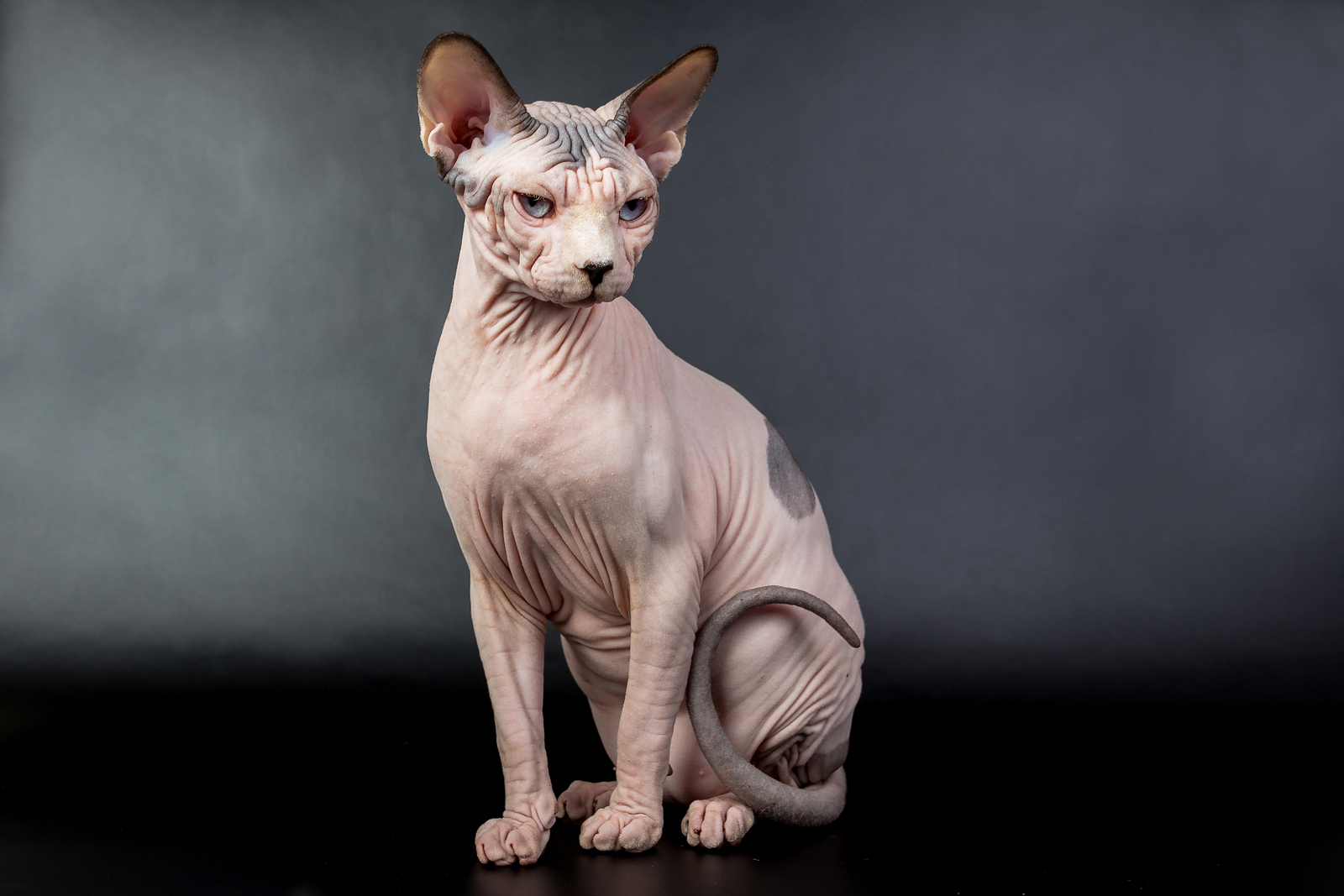
The Sphynx breed's hairless nature makes them highly susceptible to temperature fluctuations, requiring owners to provide a warm and stable environment to prevent hypothermia.
This unique characteristic, combined with their high energy level and curious temperament, demands a specific set of care considerations. Sphynx cats are known for their affectionate and social nature, thriving on interaction and attention from their owners.
As a medium-sized breed with a typical weight range of 6-12 pounds, Sphynx cats require a balanced lifestyle that addresses their physical and emotional needs, including regular exercise, mental stimulation, and a nutritious diet.
Temperature Control
Sphynx cats need a warm environment, typically between 68-72°F, to maintain their body temperature. Owners should provide a warm bed or blanket, and consider using a heated cat bed or a thermal heating pad. Regular checks on the cat's body temperature are crucial to prevent hypothermia.
Grooming and Skin Care
Despite being hairless, Sphynx cats require regular grooming to remove oils and dirt from their skin. A gentle bathing routine, using a mild soap and warm water, is essential to prevent skin oil buildup and maintain their overall health. Owners should also pay attention to their cat's skin condition, watching for signs of irritation or infection.
Exercise and Enrichment
Sphynx cats are highly energetic and curious, requiring regular exercise and mental stimulation to prevent boredom and stress. Owners should engage their cats in play activities, such as chasing toys or climbing, and provide puzzle toys to challenge their problem-solving skills.
Diet and Nutrition
Sphynx cats are prone to dental disease, making a balanced and nutritious diet essential to maintain their oral health. Owners should choose a high-quality cat food that is rich in protein, moderate in fat, and low in carbohydrates, and consider adding dental chews or toys to their daily routine.
Health Considerations
Sphynx cats are prone to several health issues, including hypertrophic cardiomyopathy (HCM), skin oil buildup, and dental disease. Regular veterinary check-ups, typically every 6-12 months, are crucial to monitor their health and detect any potential issues early on.
Sphynx FAQ
How often should I bathe my Sphynx cat?
Sphynx cats require regular bathing, typically every 1-2 weeks, to remove oils and dirt from their skin. However, the frequency may vary depending on the individual cat's needs and lifestyle. It's essential to use a mild soap and warm water, and to dry them thoroughly after bathing to prevent skin irritation.
Why is my Sphynx cat always cold?
Sphynx cats are prone to feeling cold due to their hairless nature, which makes them lose heat quickly. Owners can provide a warm environment, use heated cat beds or thermal heating pads, and offer warm blankets to help keep their cat cozy.
Can Sphynx cats go outside?
It's not recommended to let Sphynx cats go outside, as they are highly susceptible to temperature fluctuations and sun damage. Their hairless skin offers little protection against the elements, and they may be at risk of hypothermia or sunburn. Indoor living is best for Sphynx cats, with plenty of windows for natural light and fresh air.
How much exercise does my Sphynx cat need?
Sphynx cats are highly energetic and require regular exercise to stay happy and healthy. Owners should aim to provide at least 30 minutes of playtime per day, including activities such as chasing toys, climbing, and puzzle toys. This will help to stimulate their mind and body, and prevent boredom and stress.
Are Sphynx cats prone to any specific health issues?
Yes, Sphynx cats are prone to several health issues, including hypertrophic cardiomyopathy (HCM), skin oil buildup, dental disease, and temperature sensitivity. Regular veterinary check-ups and a balanced lifestyle can help to monitor their health and detect any potential issues early on. Owners should work closely with their veterinarian to stay on top of their cat's health and address any concerns promptly.
Top picks for Sphynxs
- Best Dental Treats for Sphynxs →
- Best Dry Food for Sphynxs →
- Best Wet Food for Sphynxs →
- Best Treats for Sphynxs →
- Best Water Fountains for Sphynxs →
- Best Litter for Sphynxs →
- Best Beds for Sphynxs →
- Best Scratching Posts for Sphynxs →
- Best Litter Boxes for Sphynxs →
- Best Carriers for Sphynxs →
- Best Toys for Sphynxs →
- Best Brushes for Sphynxs →
- Best Nail Clippers for Sphynxs →
- Best Harnesses for Sphynxs →
- Best Calming Aids for Sphynxs →
- Best Cat Trees for Sphynxs →