Common Turkish Angora Health Issues to Watch For
By PetEssentialist Team · Updated July 2026 · How we review
We independently research and pick every product. When you buy through our links we may earn a commission, at no extra cost to you. How this works.
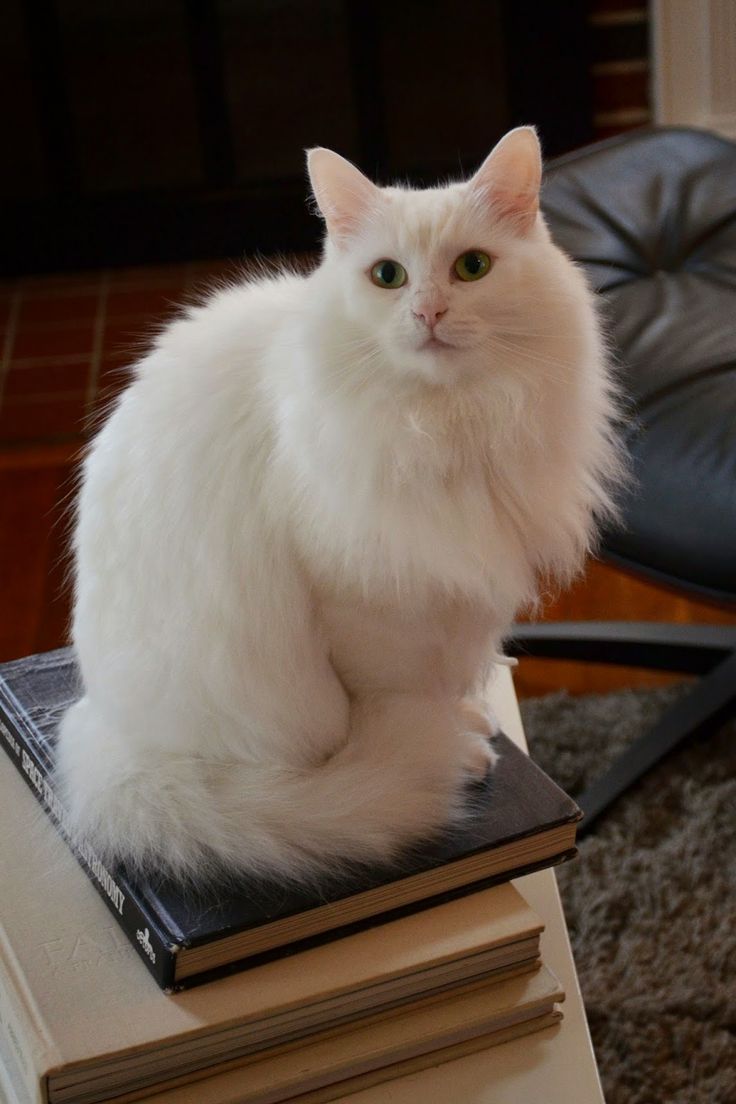
The Turkish Angora's elegant single coat and playful temperament make them a joy to own, but their predisposition to certain health issues requires careful attention. Deafness, particularly in white and blue-eyed cats, is a common concern, while their high energy level and moderate shedding demand regular grooming. As a responsible owner, it's essential to be aware of these potential health issues and take proactive steps to prevent or manage them. With their long lifespan of 12-18 years, Turkish Angoras can bring immense joy and companionship to their owners, but only if their health needs are met. Regular check-ups, a balanced diet, and a safe living environment are crucial to preventing common health issues such as heart disease, ataxia, and dental disease. By understanding the specific health needs of the Turkish Angora, owners can take practical steps to ensure their cat leads a long, happy, and healthy life.
What to look for
Regular Grooming
Turkish Angoras require moderate grooming to prevent matting and tangling of their long, silky coat. Regular brushing, ideally 2-3 times a week, can help reduce shedding and prevent hairballs. This also provides an opportunity to inspect their coat and skin for any signs of health issues, such as parasites or skin infections.
Dental Care
Dental disease is a common issue in Turkish Angoras, and regular dental care can help prevent it. Owners should aim to brush their cat's teeth at least 2-3 times a week, using a veterinarian-recommended toothpaste and brush. This can help reduce tartar buildup and prevent gum disease.
Safe Living Environment
Turkish Angoras are highly energetic and require a safe living environment to prevent injuries. Owners should ensure their home is cat-proofed, with secure windows and doors, and any hazardous materials or objects are out of reach. This can help prevent accidents and ensure their cat's safety.
Regular Check-Ups
Regular check-ups with a veterinarian are crucial to monitoring the Turkish Angora's health and detecting any potential issues early. Owners should aim to schedule annual check-ups, or more frequently if their cat has a pre-existing condition. This can help prevent health issues from becoming severe and ensure their cat receives timely treatment.
Balanced Diet
A balanced diet is essential to maintaining the Turkish Angora's overall health and preventing common health issues. Owners should feed their cat a high-quality, nutrient-rich food that meets their specific dietary needs, and avoid overfeeding or underfeeding. This can help prevent obesity, diabetes, and other diet-related health issues.
Frequently asked questions
How often should I take my Turkish Angora to the vet?
It's recommended to take your Turkish Angora to the vet at least once a year for a routine check-up, or more frequently if they have a pre-existing condition. Regular check-ups can help detect any potential health issues early and ensure your cat receives timely treatment.
Can Turkish Angoras be prone to deafness?
Yes, Turkish Angoras, particularly those with white or blue eyes, can be prone to deafness. It's essential to monitor your cat's hearing and watch for any signs of hearing loss, such as a lack of response to sounds or difficulty locating the source of a noise.
How can I prevent dental disease in my Turkish Angora?
Regular dental care, including brushing your cat's teeth at least 2-3 times a week, can help prevent dental disease. You should also provide your cat with a balanced diet and ensure they have access to plenty of fresh water to help reduce the risk of dental issues.
Are Turkish Angoras more prone to certain health issues due to their size?
Yes, Turkish Angoras, as a medium-sized breed, can be prone to certain health issues related to their size, such as heart disease and ataxia. Regular check-ups with a veterinarian can help detect these issues early, and a balanced diet and safe living environment can help prevent them.
Can I prevent my Turkish Angora from developing ataxia?
While it's not possible to completely prevent ataxia, a balanced diet, regular exercise, and a safe living environment can help reduce the risk of developing this condition. Regular check-ups with a veterinarian can also help detect any signs of ataxia early, and timely treatment can help manage the condition.
By understanding the specific health needs of the Turkish Angora and taking practical steps to prevent or manage common health issues, owners can help ensure their cat leads a long, happy, and healthy life. Prioritizing regular grooming, dental care, and check-ups, as well as providing a safe living environment and balanced diet, can help prevent health issues and ensure your Turkish Angora remains a beloved and integral member of your family.
More for your Turkish Angora
Other breed-matched picks worth a look.