Turkish Angora
The Turkish Angora is a medium cat known for being playful, intelligent, affectionate.
- Size
- medium
- Weight
- 5–9 lbs
- Life span
- 12–18 yrs
- Coat
- long silky single
- Shedding
- moderate
- Energy
- high
Health to watch for
Common breed predispositions — not a diagnosis. Always consult your vet.
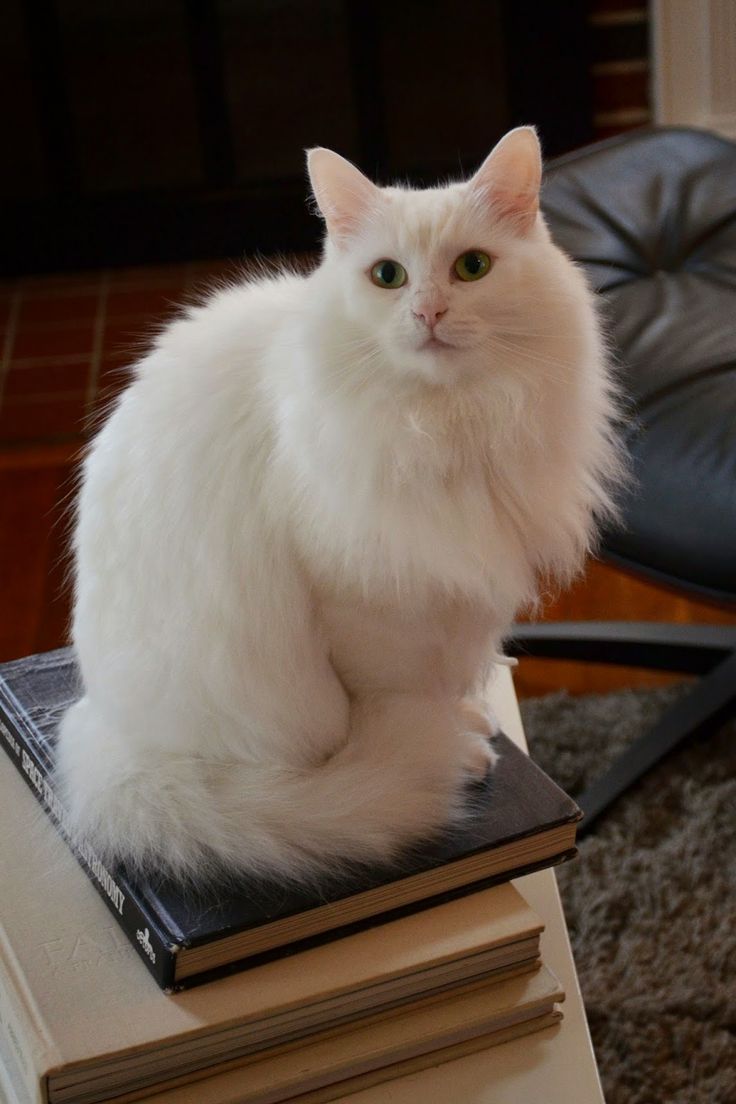
For owners of the Turkish Angora, a significant concern is managing their cat's long, silky coat to prevent matting and tangling. With a moderate shedding rate, regular grooming is essential to keep their fur in top condition.
As an active and people-oriented breed, Turkish Angoras require plenty of exercise and attention to stay happy and healthy. Their high energy level means they need engaging playtime and stimulating activities to prevent boredom and stress.
With a lifespan of 12-18 years, it's crucial for owners to be aware of potential health issues, such as deafness in white, blue-eyed cats, and heart conditions like HCM, to provide the best possible care for their pet.
Grooming Needs
Turkish Angoras have a moderate grooming requirement due to their long, silky coat. Regular brushing is necessary to prevent matting and tangling, and to reduce shedding. A gentle, slicker brush or a pin brush is recommended to detangle their fur without causing breakage. It's also essential to check for knots and tangles, especially around the armpits and behind the ears.
Exercise and Enrichment
Turkish Angoras are highly energetic and require plenty of exercise and playtime to stay happy and healthy. Engaging activities like chasing laser pointers, playing with feather toys, or climbing cat trees can help burn off excess energy. Mental stimulation is also crucial, so providing puzzle toys and interactive games can help keep their minds active and prevent boredom.
Feeding Considerations
As a medium-sized breed, Turkish Angoras require a balanced diet that meets their nutritional needs. It's essential to choose a high-quality cat food that is rich in protein and moderate in fat. Owners should also be mindful of their cat's weight, as obesity can lead to various health issues. A measuring cup and a consistent feeding schedule can help prevent overfeeding and ensure their cat maintains a healthy weight.
Health Considerations
Turkish Angoras are prone to certain health issues, such as deafness in white, blue-eyed cats, and heart conditions like HCM. Regular veterinary check-ups and monitoring can help identify potential issues early on. Owners should also be aware of the signs of dental disease, ataxia, and other common health problems to provide prompt treatment and care.
Cost and Commitment
Owning a Turkish Angora requires a significant commitment to care and attention. With a lifespan of 12-18 years, owners should be prepared to invest time and money in their cat's health, grooming, and well-being. The cost of veterinary care, high-quality food, and supplies can add up, so it's essential to factor these expenses into the overall cost of ownership.
Turkish Angora FAQ
How often should I groom my Turkish Angora?
Regular grooming is essential for Turkish Angoras, with daily brushing recommended to prevent matting and tangling. It's also crucial to check for knots and tangles, especially around the armpits and behind the ears.
Why is my Turkish Angora so energetic?
Turkish Angoras are a high-energy breed that requires plenty of exercise and playtime to stay happy and healthy. Engaging activities like chasing laser pointers, playing with feather toys, or climbing cat trees can help burn off excess energy.
Can Turkish Angoras be left alone for extended periods?
While Turkish Angoras can be left alone for short periods, they are a people-oriented breed that requires attention and interaction. Leaving them alone for extended periods can lead to boredom, stress, and behavioral problems.
How can I prevent health issues in my Turkish Angora?
Regular veterinary check-ups, monitoring, and a balanced diet can help prevent health issues in Turkish Angoras. Owners should also be aware of the signs of dental disease, ataxia, and other common health problems to provide prompt treatment and care.
Are Turkish Angoras suitable for families with children?
Turkish Angoras can make excellent family pets, but they do require gentle handling and care. Children should be taught how to interact with them gently and respectfully, and owners should supervise interactions to ensure everyone's safety and well-being.
Top picks for Turkish Angoras
- Best Water Fountains for Turkish Angoras →
- Best Wet Food for Turkish Angoras →
- Best Dry Food for Turkish Angoras →
- Best Treats for Turkish Angoras →
- Best Cat Trees for Turkish Angoras →
- Best Beds for Turkish Angoras →
- Best Toys for Turkish Angoras →
- Best Dental Treats for Turkish Angoras →
- Best Litter Boxes for Turkish Angoras →
- Best Litter for Turkish Angoras →
- Best Brushes for Turkish Angoras →
- Best Nail Clippers for Turkish Angoras →
- Best Carriers for Turkish Angoras →
- Best Calming Aids for Turkish Angoras →
- Best Harnesses for Turkish Angoras →
- Best Scratching Posts for Turkish Angoras →