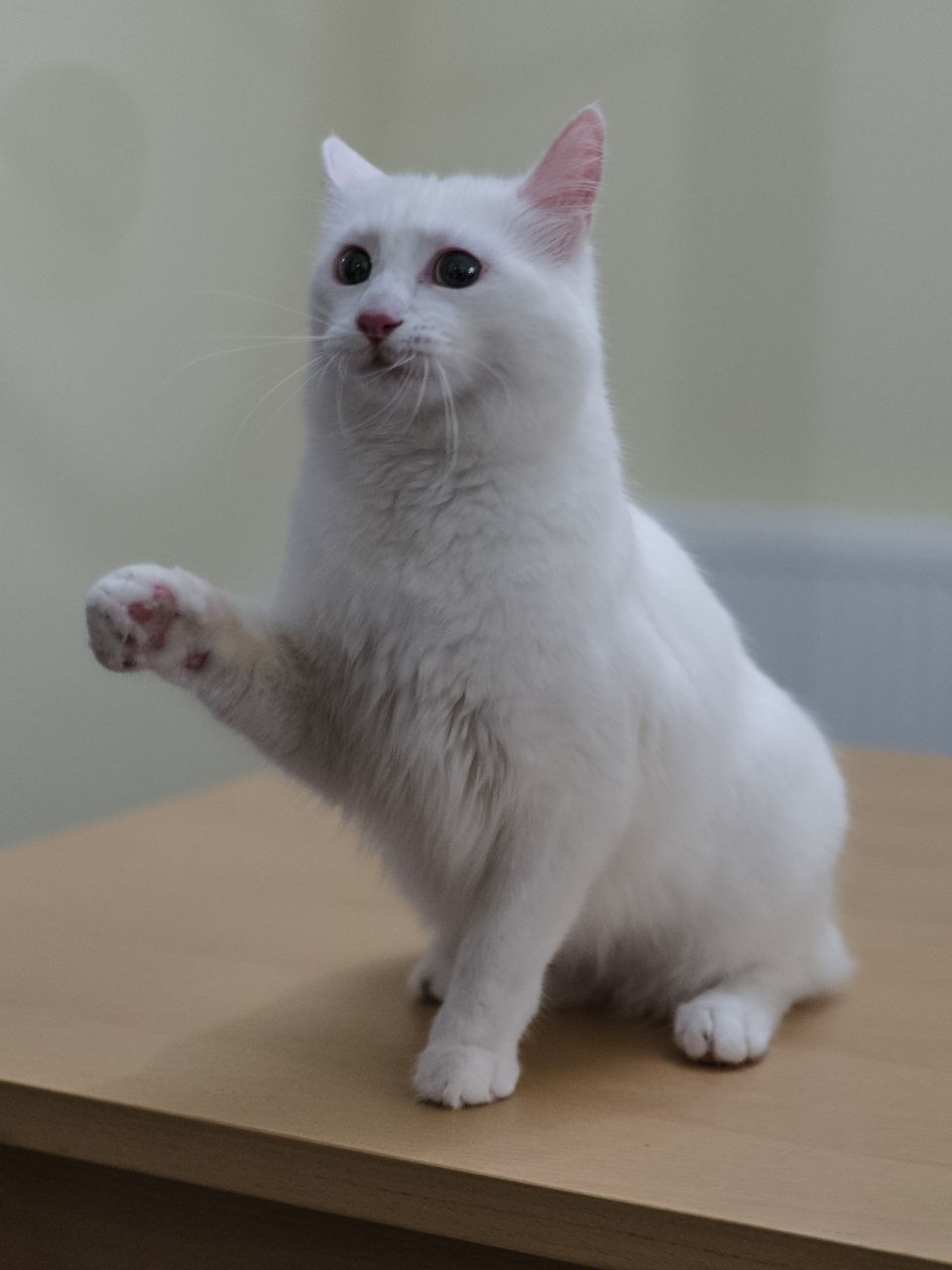
Common Turkish Van Health Issues to Watch For
By PetEssentialist Team · Updated July 2026 · How we review
We independently research and pick every product. When you buy through our links we may earn a commission, at no extra cost to you. How this works.
The Turkish Van's water-resistant coat and love of swimming make them a unique breed, but their large size and high energy level also mean they require careful monitoring of their health. Their semi-long single coat sheds moderately, and their intelligent and playful temperament means they need regular exercise and mental stimulation. As a Turkish Van owner, it's essential to be aware of the common health issues that can affect this breed, including hypertrophic cardiomyopathy (HCM), deafness, dental disease, and hairballs. Regular grooming and check-ups can help prevent or detect these issues early on. Turkish Vans are prone to dental disease, so regular brushing and dental care are crucial. Their high energy level also means they need plenty of opportunities for exercise and play, which can help reduce the risk of obesity and related health problems. By understanding the specific health needs of the Turkish Van breed, owners can take proactive steps to keep their cat healthy and happy throughout their 12-17 year lifespan.
What to look for
Regular Grooming
Regular grooming is essential for Turkish Vans, particularly when it comes to their semi-long single coat. Brushing their coat several times a week can help reduce shedding and prevent hairballs. It's also essential to check their ears regularly for signs of infection or deafness, and to clean their teeth daily to prevent dental disease.
Dental Care
Dental disease is a common health issue in Turkish Vans, so regular dental care is crucial. This includes daily tooth brushing, regular dental check-ups, and a balanced diet that promotes good oral health. Owners should also be aware of the signs of dental disease, such as bad breath, yellow teeth, and difficulty eating.
Exercise and Play
Turkish Vans are a high-energy breed that requires plenty of opportunities for exercise and play. This can include playing with toys, climbing, and running around, as well as interactive play with their owners. Regular exercise can help reduce the risk of obesity and related health problems, and can also help to keep their mind active and stimulated.
Monitoring for Health Issues
Turkish Van owners should be aware of the common health issues that can affect this breed, and should monitor their cat's health closely. This includes regular check-ups with a veterinarian, as well as watching for signs of illness or disease, such as changes in appetite, vomiting, or difficulty breathing.
Preventative Care
Preventative care is essential for Turkish Vans, particularly when it comes to their heart health. Regular check-ups with a veterinarian can help detect any potential health issues early on, and preventative care such as vaccinations and parasite control can help to reduce the risk of illness.
Frequently asked questions
How often should I groom my Turkish Van?
Turkish Vans require regular grooming, particularly when it comes to their semi-long single coat. Brushing their coat several times a week can help reduce shedding and prevent hairballs. It's also essential to check their ears regularly for signs of infection or deafness, and to clean their teeth daily to prevent dental disease.
What are the signs of dental disease in Turkish Vans?
The signs of dental disease in Turkish Vans can include bad breath, yellow teeth, and difficulty eating. Owners should also be aware of changes in their cat's appetite or behavior, as these can also be signs of dental disease.
How much exercise does my Turkish Van need?
Turkish Vans are a high-energy breed that requires plenty of opportunities for exercise and play. This can include playing with toys, climbing, and running around, as well as interactive play with their owners. Aim for at least 30 minutes of exercise and play per day.
What are the common health issues that can affect Turkish Vans?
Turkish Vans are prone to several common health issues, including hypertrophic cardiomyopathy (HCM), deafness, dental disease, and hairballs. Regular check-ups with a veterinarian and preventative care can help to reduce the risk of these health issues.
How can I prevent hairballs in my Turkish Van?
Hairballs can be a common problem in Turkish Vans, particularly due to their semi-long single coat. Regular grooming, including brushing their coat several times a week, can help to reduce shedding and prevent hairballs. Owners can also try adding a small amount of oil to their cat's food to help lubricate their digestive system and reduce the risk of hairballs.
By understanding the specific health needs of the Turkish Van breed, owners can take proactive steps to keep their cat healthy and happy throughout their lifespan. Regular grooming, dental care, exercise, and preventative care are all essential for maintaining the health and wellbeing of this unique and energetic breed. With the right care and attention, Turkish Vans can thrive and bring joy and companionship to their owners for many years to come.
More for your Turkish Van
Other breed-matched picks worth a look.