Turkish Van
The Turkish Van is a large cat known for being energetic, intelligent, loyal.
- Size
- large
- Weight
- 7–20 lbs
- Life span
- 12–17 yrs
- Coat
- semi-long single
- Shedding
- moderate
- Energy
- high
Health to watch for
Common breed predispositions — not a diagnosis. Always consult your vet.
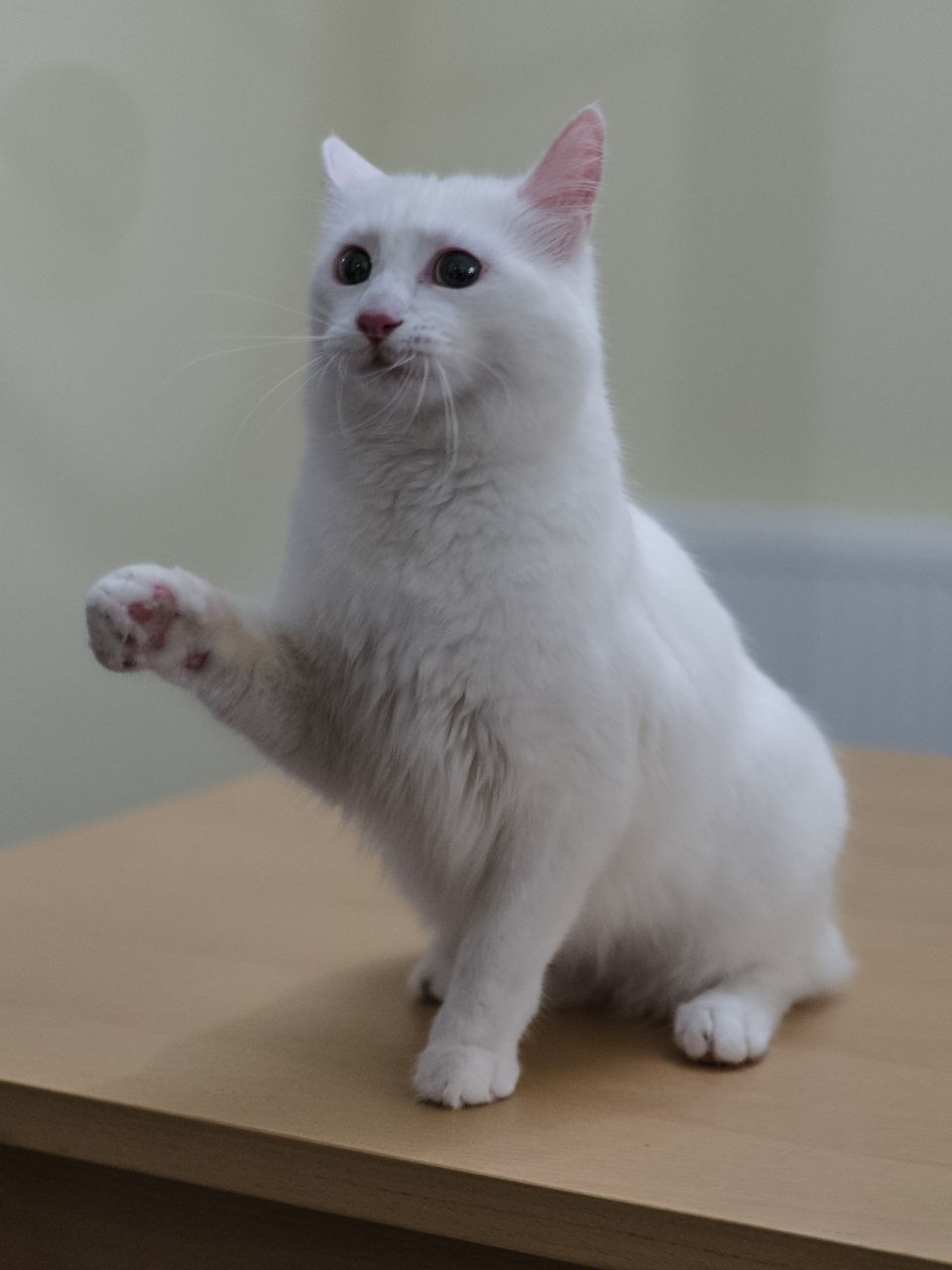
The Turkish Van's high energy level and love of water make them a unique and engaging breed. Their semi-long single coat, which is water-resistant, requires moderate grooming to prevent matting and tangling. As an athletic and large breed, they need plenty of space to exercise and play, making them a great fit for active owners.
Their intelligence and loyalty make them a wonderful companion, but they do require regular mental and physical stimulation to prevent boredom and destructive behavior. With a lifespan of 12-17 years, owners can expect a long and rewarding relationship with their Turkish Van.
However, their high energy level and size also mean they can be prone to certain health issues, such as heart problems and dental disease, which must be carefully managed through regular veterinary check-ups and a healthy diet.
Temperament and Training
Turkish Vans are highly intelligent and energetic, requiring regular mental and physical stimulation to prevent boredom and destructive behavior. They thrive on interaction and play, and owners should be prepared to provide plenty of toys, scratching posts, and climbing structures. Positive reinforcement training is also essential to develop good behavior and prevent unwanted habits.
Grooming and Coat Care
The Turkish Van's semi-long single coat requires moderate grooming to prevent matting and tangling. Owners should brush their coat at least twice a week, paying particular attention to the areas where the coat is longest. Regular nail trimming, ear cleaning, and dental care are also essential to prevent health issues.
Exercise and Enrichment
Turkish Vans are highly athletic and require plenty of space to exercise and play. Owners should provide a large, secure area for them to run and jump, as well as plenty of toys and climbing structures to keep them entertained. Regular playtime and interaction are also essential to keep them happy and healthy.
Feeding and Nutrition
Turkish Vans are a large breed and require a high-quality diet that meets their nutritional needs. Owners should feed a balanced and nutritious food that is rich in protein and fiber, and avoid overfeeding to prevent obesity and related health issues. Regular monitoring of their weight and health is also essential to prevent problems.
Health and Veterinary Care
Turkish Vans are prone to certain health issues, such as heart problems and dental disease, which must be carefully managed through regular veterinary check-ups and a healthy diet. Owners should also be aware of the signs of illness and injury, and seek veterinary care immediately if they notice any unusual symptoms or behavior.
Turkish Van FAQ
How often should I groom my Turkish Van?
The Turkish Van's semi-long single coat requires moderate grooming to prevent matting and tangling. Owners should brush their coat at least twice a week, paying particular attention to the areas where the coat is longest.
Can Turkish Vans swim?
Yes, Turkish Vans are known for their love of water and are often referred to as the 'swimming cat'. They have a water-resistant coat and are naturally inclined to swim and play in water.
How much exercise does a Turkish Van need?
Turkish Vans are highly athletic and require plenty of space to exercise and play. Owners should provide a large, secure area for them to run and jump, as well as plenty of toys and climbing structures to keep them entertained.
What health issues are Turkish Vans prone to?
Turkish Vans are prone to certain health issues, such as heart problems and dental disease, which must be carefully managed through regular veterinary check-ups and a healthy diet. Owners should also be aware of the signs of illness and injury, and seek veterinary care immediately if they notice any unusual symptoms or behavior.
How long do Turkish Vans live?
Turkish Vans have a lifespan of 12-17 years, making them a long-term companion for owners. With proper care and attention, they can live a happy and healthy life.
Top picks for Turkish Vans
- Best Carriers for Turkish Vans →
- Best Nail Clippers for Turkish Vans →
- Best Harnesses for Turkish Vans →
- Best Cat Trees for Turkish Vans →
- Best Brushes for Turkish Vans →
- Best Dry Food for Turkish Vans →
- Best Wet Food for Turkish Vans →
- Best Dental Treats for Turkish Vans →
- Best Treats for Turkish Vans →
- Best Scratching Posts for Turkish Vans →
- Best Litter for Turkish Vans →
- Best Beds for Turkish Vans →
- Best Litter Boxes for Turkish Vans →
- Best Water Fountains for Turkish Vans →
- Best Toys for Turkish Vans →
- Best Calming Aids for Turkish Vans →