How Much Exercise Does a Basenji Need?
By PetEssentialist Team · Updated July 2026 · How we review
We independently research and pick every product. When you buy through our links we may earn a commission, at no extra cost to you. How this works.
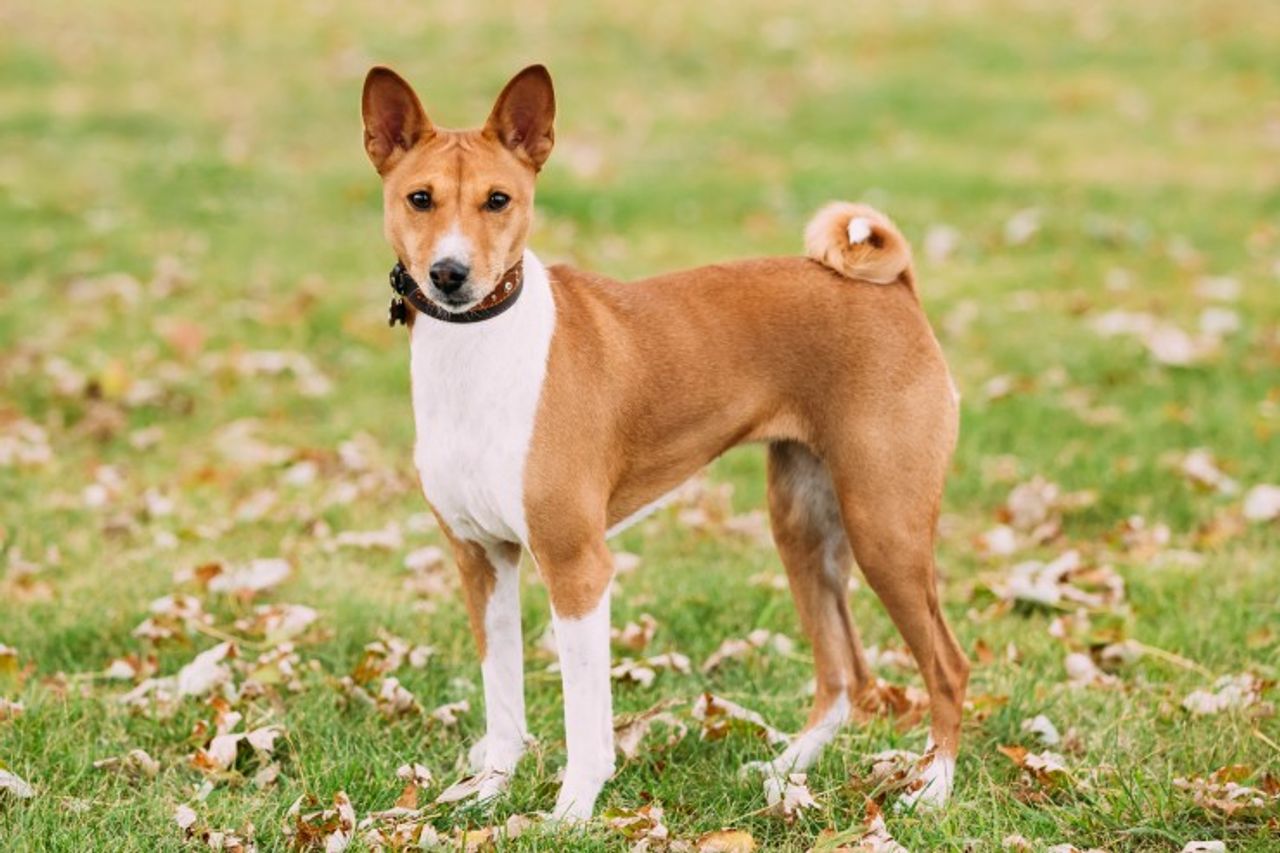
On a typical morning, a Basenji owner may find their dog pacing restlessly around the house, eager to expend its pent-up energy. This breed's independence and strong prey drive can make them a challenge to exercise, but with the right approach, they thrive. With their short, fine coats and low shedding, Basenjis are relatively low-maintenance in terms of grooming, but their high energy level demands a thoughtful exercise plan. Basenjis are often described as 'catlike' due to their fastidious nature and aloofness, which can make training and exercise a fun, yet demanding experience. Owners must find ways to engage their Basenji's mind and body, providing adequate physical and mental stimulation to prevent boredom and destructive behavior. As a small breed with a long lifespan of 13-14 years, Basenjis require a well-structured exercise routine that balances their physical and mental needs, taking into account their predisposition to health issues like Fanconi syndrome and hypothyroidism.
What to look for
Daily Exercise Duration
Basenjis need at least 30 minutes of daily exercise, ideally divided into two sessions. This can include a combination of walks, runs, and playtime, tailored to their individual energy levels. Owners should aim for a mix of low-intensity and high-intensity activities to keep their Basenji engaged and exhausted.
Mental Enrichment
In addition to physical exercise, Basenjis require mental stimulation to prevent boredom and stress. Owners can provide puzzle toys, scent games, and obedience training to challenge their Basenji's problem-solving skills and independence.
Avoiding Overexertion
Basenjis are prone to overexertion, especially in hot weather or during high-intensity activities. Owners must monitor their dog's behavior and adjust the exercise plan accordingly, taking regular breaks and providing plenty of water and shade.
Signs of Insufficient Exercise
If a Basenji is not receiving enough exercise, they may exhibit destructive behavior, such as chewing or digging, or display signs of anxiety and stress, like pacing or panting. Owners should be aware of these signs and adjust their exercise plan to meet their Basenji's needs.
Age and Health Considerations
As Basenjis age or develop health issues, their exercise needs may change. Owners should consult with their veterinarian to determine the best exercise plan for their Basenji, taking into account any health concerns or limitations.
Frequently asked questions
How often should I walk my Basenji?
Basenjis need at least one 15-20 minute walk per day, but this can vary depending on their individual energy levels and age. Owners should aim for a minimum of two walks per day, with additional playtime and exercise as needed.
Can Basenjis be trained for agility or dog sports?
Yes, Basenjis can excel in dog sports like agility and obedience, but their independent nature and strong prey drive require patient, positive training. Owners should work with experienced trainers to develop a customized training plan that suits their Basenji's unique needs.
What are the signs of overexertion in Basenjis?
Signs of overexertion in Basenjis include panting, drooling, and lethargy. Owners should also watch for signs of heat stress, such as rapid breathing or collapse, and take immediate action to cool their Basenji down and provide a safe environment.
How can I provide mental stimulation for my Basenji?
Basenjis thrive on mental stimulation, which can be provided through puzzle toys, scent games, and obedience training. Owners can also try hiding treats or toys around the house, encouraging their Basenji to use their problem-solving skills to find them.
Can Basenjis be left alone for extended periods without exercise?
No, Basenjis should not be left alone for extended periods without exercise or mental stimulation. This can lead to boredom, stress, and destructive behavior. Owners should provide regular exercise and playtime, and consider hiring a dog walker or asking a friend to visit their Basenji during the day if they have a busy schedule.
To keep a Basenji happy and healthy, owners must prioritize a balanced exercise plan that meets their physical and mental needs. By providing daily exercise, mental enrichment, and avoiding overexertion, owners can help their Basenji thrive and prevent common health issues. With patience, consistency, and positive training, Basenji owners can develop a strong bond with their dog and enjoy a lifelong companionship.
More for your Basenji
Other breed-matched picks worth a look.