How Much Exercise Does a Bengal Need?
By PetEssentialist Team · Updated June 2026 · How we review
We independently research and pick every product. When you buy through our links we may earn a commission, at no extra cost to you. How this works.
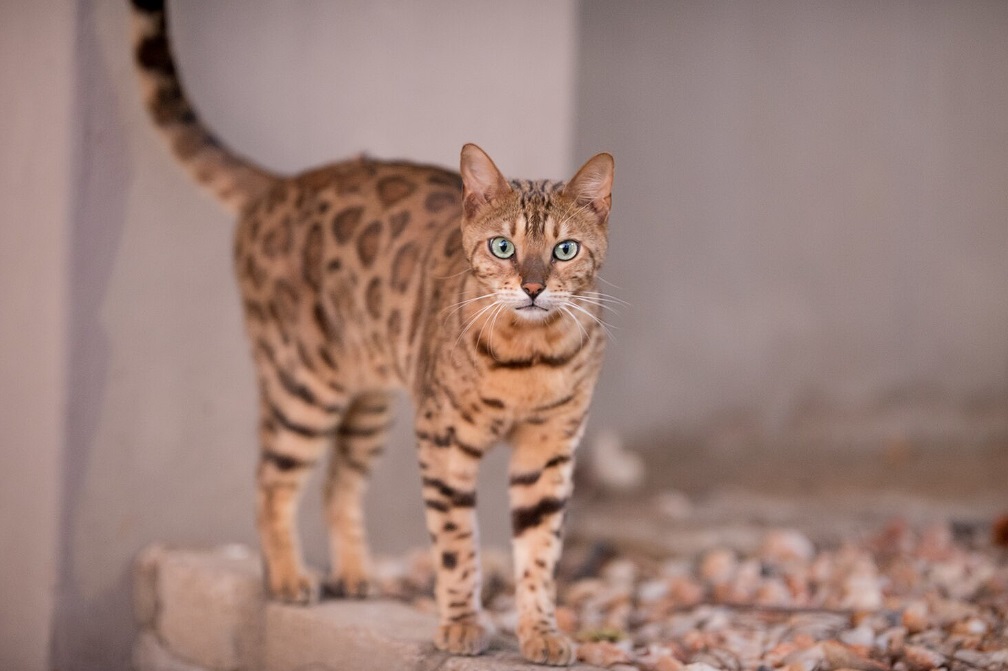
The Bengal's extremely high energy level demands a daily exercise routine that stimulates both body and mind. Without adequate physical and mental stimulation, Bengals can become restless, destructive, and even develop behavioral problems. Their wild-looking appearance and athletic temperament require a tailored approach to exercise, taking into account their short pelted coat, large size, and predisposition to certain health issues such as HCM and patellar luxation. Bengal owners must prioritize their cat's exercise needs to prevent obesity, which can exacerbate existing health conditions. A high-protein diet, combined with regular physical activity, will help maintain their overall health and well-being. By understanding the specific exercise requirements of the Bengal breed, owners can create a fulfilling and engaging lifestyle for their pet. Providing the right amount of exercise for a Bengal cat can be challenging, but with a clear understanding of their needs, owners can create a tailored routine that meets their unique requirements.
What to look for
Daily Exercise Duration
Bengals require at least 30 minutes of intense physical activity per day, which can be split into shorter sessions throughout the day. This can include playtime with toys, climbing, and agility training. Owners should aim to provide a mix of high-intensity and low-intensity activities to cater to their cat's varying energy levels.
Mental Enrichment
In addition to physical exercise, Bengals need mental stimulation to prevent boredom and stress. Owners can provide puzzle toys, interactive games, and sensory experiences, such as scratching posts and climbing walls, to keep their cat engaged and active.
Climbing and Vertical Space
Bengals are natural climbers, and providing vertical space is essential for their physical and mental well-being. Owners should invest in cat trees, shelves, or climbing walls to give their cat ample opportunities to climb, scratch, and observe their surroundings.
Signs of Too Little or Too Much Exercise
Bengal owners should monitor their cat's behavior and adjust their exercise routine accordingly. Signs of too little exercise include restlessness, destructive behavior, and weight gain, while signs of too much exercise include exhaustion, injury, or stress. Owners should aim to find a balance that meets their cat's individual needs.
Creating a Routine
Establishing a consistent exercise routine is crucial for Bengal cats. Owners should aim to create a schedule that includes a mix of physical and mental activities, taking into account their cat's unique energy levels and preferences. By providing a predictable and engaging routine, owners can help their Bengal cat thrive and maintain their overall health and well-being.
Frequently asked questions
How often should I play with my Bengal cat?
Bengal cats require regular playtime, ideally 2-3 times a day, with each session lasting around 10-15 minutes. This can include playtime with toys, laser pointers, or interactive games.
Can Bengal cats be left alone for long periods?
Bengal cats are social animals and require regular attention and interaction. While they can be left alone for short periods, it's essential to provide them with plenty of toys, scratching posts, and climbing structures to keep them occupied and stimulated.
How can I prevent my Bengal cat from getting bored?
To prevent boredom, provide your Bengal cat with a variety of toys, puzzle toys, and interactive games. Rotate toys regularly to keep them interesting, and consider providing scratching posts and climbing walls to keep them active and engaged.
Can Bengal cats go outside?
While Bengal cats are curious and love to explore, it's generally not recommended to let them go outside unsupervised. They can be prone to escaping, getting injured, or contracting diseases. Instead, provide them with a secure and stimulating indoor environment that meets their physical and mental needs.
How can I tell if my Bengal cat is getting enough exercise?
Monitor your Bengal cat's behavior and look for signs of contentment, such as relaxed posture, playful behavior, and a healthy appetite. If your cat appears restless, destructive, or lethargic, it may be a sign that they need more or less exercise, and you should adjust their routine accordingly.
Providing the right amount of exercise for a Bengal cat requires a deep understanding of their unique needs and personality traits. By prioritizing their physical and mental stimulation, owners can create a happy, healthy, and fulfilling lifestyle for their pet. For owners who are willing to invest time and effort into providing their Bengal cat with a tailored exercise routine, the rewards will be well worth it – a happy, thriving, and loving companion.
More for your Bengal
Other breed-matched picks worth a look.