Bengal
The Bengal is a large cat known for being energetic, curious, athletic.
- Size
- large
- Weight
- 8–15 lbs
- Life span
- 12–16 yrs
- Coat
- short pelted
- Shedding
- low
- Energy
- very high
Health to watch for
Common breed predispositions — not a diagnosis. Always consult your vet.
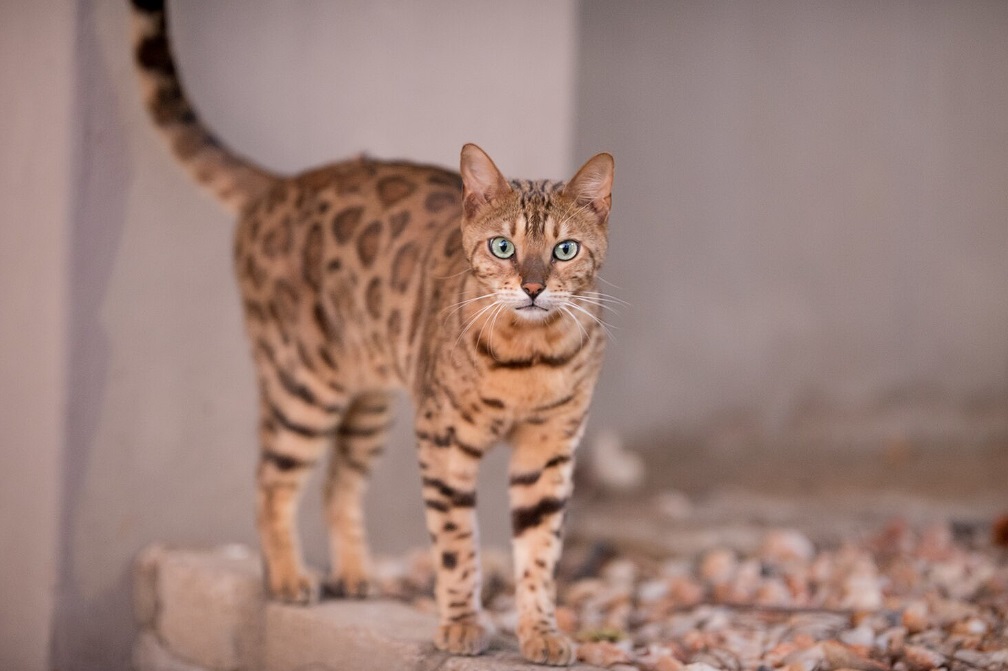
Bengal cats are notorious for their high energy levels and curious nature, often leaving their owners exhausted and wondering how to keep up. With their wild-looking appearance and extremely active lifestyle, it's no wonder that many Bengal owners struggle to provide the necessary care and stimulation for their pets. Bengal cats require a unique approach to care, one that takes into account their low-maintenance short coat, high-protein dietary needs, and penchant for climbing and play.
Bengal cats are bred to be energetic and athletic, making them a great fit for owners who enjoy interactive play and can provide plenty of exercise and enrichment activities. However, this also means that they can be prone to health issues such as heart problems, eye issues, and patellar luxation if not properly cared for.
As a Bengal owner, it's essential to be aware of these potential health issues and take steps to prevent them, including providing a balanced diet, plenty of exercise, and regular veterinary check-ups.
Temperament and Personality
Bengal cats are known for their energetic and curious nature, making them a great fit for owners who enjoy interactive play. They require plenty of attention and stimulation to prevent boredom and destructive behavior. With their athletic build and agile physique, Bengal cats are natural climbers and jumpers, and they love to explore their surroundings.
Daily Care and Grooming
Bengal cats have a short, pelted coat that requires minimal grooming. A weekly brushing is sufficient to remove loose hair and distribute skin oils, keeping their coat healthy and shiny. Their low-maintenance coat makes them a great fit for busy owners who don't have a lot of time to devote to grooming.
Exercise and Enrichment
Bengal cats require plenty of exercise and enrichment activities to keep them happy and healthy. They love to climb, jump, and play, and they need plenty of space to run around and explore. Providing toys, scratching posts, and climbing structures can help to keep them entertained and stimulated, while also helping to prevent health issues such as obesity and patellar luxation.
Feeding Considerations
Bengal cats are prone to sensitive stomachs and require a high-protein diet to stay healthy. They need plenty of nutrients to support their energetic lifestyle, and a balanced diet that includes plenty of meat and minimal fillers is essential. Owners should also be aware of the potential for food allergies and intolerances, and work with their veterinarian to determine the best diet for their pet.
Cost and Commitment
Bengal cats can be a significant investment, both in terms of time and money. They require plenty of attention, exercise, and enrichment activities, and they can be prone to costly health issues if not properly cared for. Owners should be prepared to commit to regular veterinary check-ups, a high-quality diet, and plenty of playtime and interaction.
Bengal FAQ
How much exercise does a Bengal cat need?
Bengal cats require plenty of exercise and enrichment activities to keep them happy and healthy. They need at least 30 minutes of playtime per day, and they love to climb, jump, and run around. Providing toys, scratching posts, and climbing structures can help to keep them entertained and stimulated.
What kind of diet is best for a Bengal cat?
Bengal cats require a high-protein diet to stay healthy, and they need plenty of nutrients to support their energetic lifestyle. A balanced diet that includes plenty of meat and minimal fillers is essential, and owners should also be aware of the potential for food allergies and intolerances.
Are Bengal cats prone to any health issues?
Yes, Bengal cats are prone to several health issues, including heart problems, eye issues, and patellar luxation. They can also be prone to sensitive stomachs and food allergies, and owners should work with their veterinarian to determine the best diet and care plan for their pet.
How much grooming does a Bengal cat need?
Bengal cats have a short, pelted coat that requires minimal grooming. A weekly brushing is sufficient to remove loose hair and distribute skin oils, keeping their coat healthy and shiny.
Are Bengal cats suitable for families with young children?
Bengal cats can be suitable for families with young children, but they do require plenty of attention and stimulation. They can be prone to boredom and destructive behavior if not properly entertained, and they may not be the best fit for families with very young children who may not understand how to interact with them gently and respectfully.
Top picks for Bengals
- Best Dry Food for Bengals →
- Best Treats for Bengals →
- Best Wet Food for Bengals →
- Best Dental Treats for Bengals →
- Best Litter for Bengals →
- Best Litter Boxes for Bengals →
- Best Beds for Bengals →
- Best Cat Trees for Bengals →
- Best Scratching Posts for Bengals →
- Best Nail Clippers for Bengals →
- Best Toys for Bengals →
- Best Water Fountains for Bengals →
- Best Carriers for Bengals →
- Best Calming Aids for Bengals →
- Best Harnesses for Bengals →
- Best Brushes for Bengals →