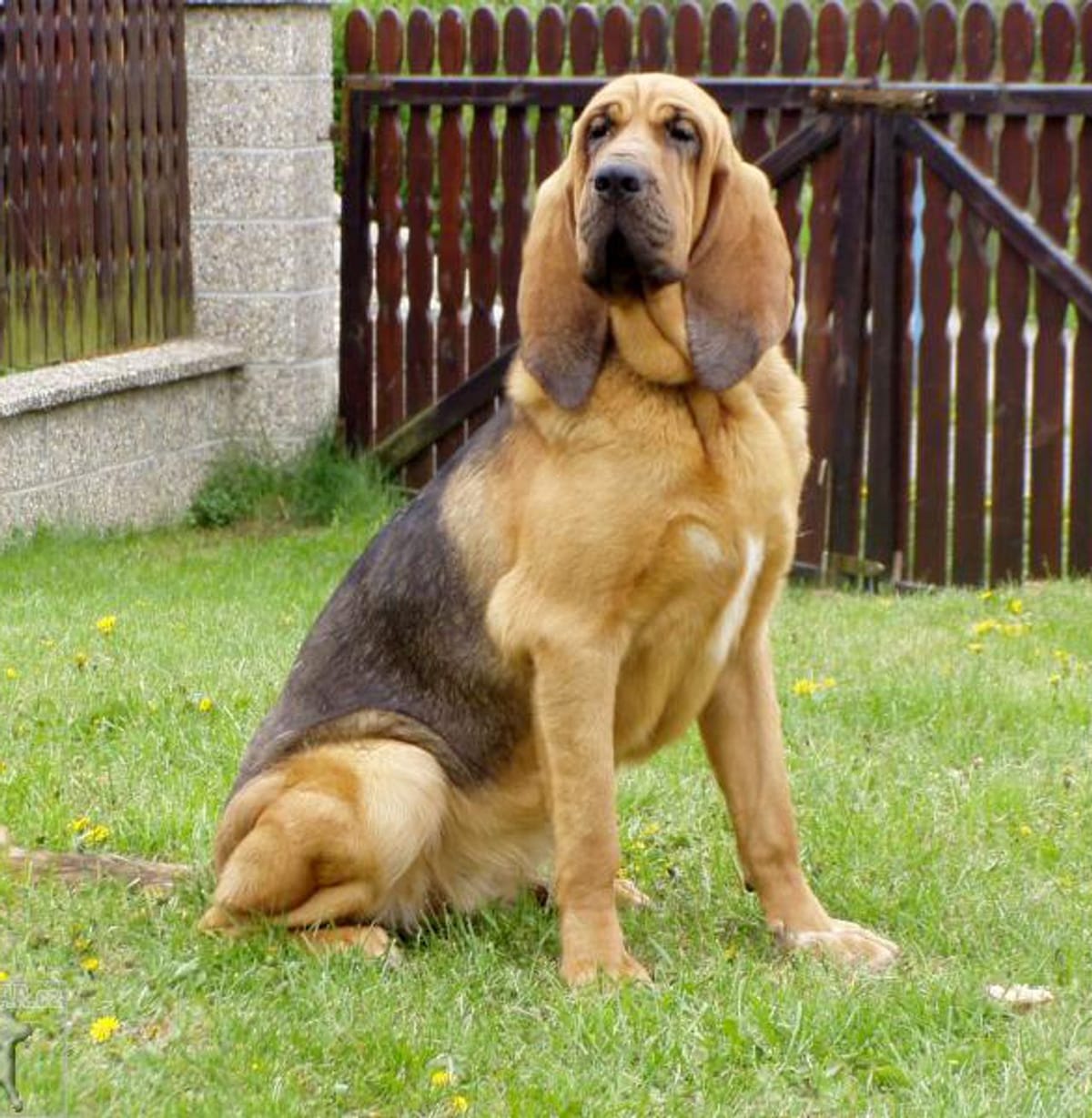
How Much Exercise Does a Bloodhound Need?
By PetEssentialist Team · Updated July 2026 · How we review
We independently research and pick every product. When you buy through our links we may earn a commission, at no extra cost to you. How this works.
Bloodhounds are prone to bloat and ear infections, making regular exercise crucial to prevent these health issues. Their strong nose and instinct to follow scents can lead to wandering, emphasizing the need for secure, supervised outdoor activities. As a Bloodhound owner, it's essential to balance exercise with mental stimulation to keep them engaged and prevent stubbornness. With their moderate energy level, Bloodhounds require a daily routine that includes a mix of physical activity and mental enrichment. A short, daily walk may not be sufficient for this breed, as they need to expend their energy and challenge their minds. Bloodhounds are friendly and gentle, but their determined nature means they can become easily distracted by interesting smells, making consistent training and socialization vital. Understanding the specific exercise needs of Bloodhounds is crucial to preventing health problems and ensuring they lead happy, fulfilling lives. By providing the right balance of physical and mental stimulation, owners can help their Bloodhounds thrive and reduce the risk of common health issues.
What to look for
Daily Walks
Bloodhounds require daily walks of at least 30 minutes to expend their energy and challenge their minds. These walks should be supervised and secure to prevent wandering. The duration and frequency of walks can be adjusted based on the individual dog's needs and age.
Mental Enrichment
Bloodhounds are highly intelligent and need mental stimulation to prevent boredom and stubbornness. Activities like scent work, obedience training, and interactive toys can provide the necessary mental enrichment. These activities should be engaging and challenging, but not overwhelming or frustrating.
Playtime and Socialization
Bloodhounds are social dogs and need regular playtime and socialization to develop good behavior and prevent anxiety. Playtime can include activities like fetch, tug-of-war, and hide-and-seek, while socialization should involve exposure to various people, dogs, and environments.
Exercise Duration and Frequency
The duration and frequency of exercise for Bloodhounds depend on their age, health, and individual needs. Puppies require shorter, more frequent exercise sessions, while adult dogs can tolerate longer, less frequent sessions. It's essential to monitor the dog's energy levels and adjust the exercise routine accordingly.
Signs of Too Little or Too Much Exercise
Bloodhounds that receive too little exercise may exhibit signs of boredom, stubbornness, or anxiety, such as destructive behavior or excessive barking. On the other hand, too much exercise can lead to exhaustion, injury, or heatstroke. Owners should be aware of these signs and adjust the exercise routine to ensure the dog's physical and mental well-being.
Frequently asked questions
How often should I exercise my Bloodhound?
Bloodhounds require daily exercise, with a minimum of 30 minutes of supervised walking and playtime. The frequency and duration of exercise can be adjusted based on the individual dog's needs and age.
Can Bloodhounds be exercised in hot weather?
Bloodhounds can be sensitive to heat, and it's essential to exercise them during cooler parts of the day or in shaded areas. Owners should also ensure their dogs have access to plenty of water and take regular breaks to prevent heatstroke.
How can I prevent my Bloodhound from wandering during exercise?
To prevent wandering, Bloodhounds should be exercised in secure, supervised areas, such as fenced parks or trails. Owners can also use long leads or harnesses to keep their dogs close and prevent them from following interesting scents.
What are the signs of bloat in Bloodhounds, and how can exercise help prevent it?
Signs of bloat in Bloodhounds include restlessness, whining, and attempted vomiting. Exercise can help prevent bloat by stimulating digestion and reducing the risk of swallowing air. However, owners should avoid exercising their dogs immediately after meals or during periods of high stress.
Can Bloodhounds participate in high-impact activities, such as agility training?
Bloodhounds are not well-suited for high-impact activities like agility training, as they can be prone to joint problems and bloat. Instead, owners can focus on low-impact activities like walking, scent work, and obedience training, which can provide mental and physical stimulation without putting excessive strain on the dog's joints.
Bloodhound owners must prioritize daily exercise and mental enrichment to keep their dogs happy, healthy, and well-behaved. By understanding the specific needs of this breed and providing a balanced routine, owners can help prevent common health issues and ensure their Bloodhounds lead fulfilling lives. Consistency, patience, and attention to individual needs are key to developing a successful exercise plan for Bloodhounds.
More for your Bloodhound
Other breed-matched picks worth a look.