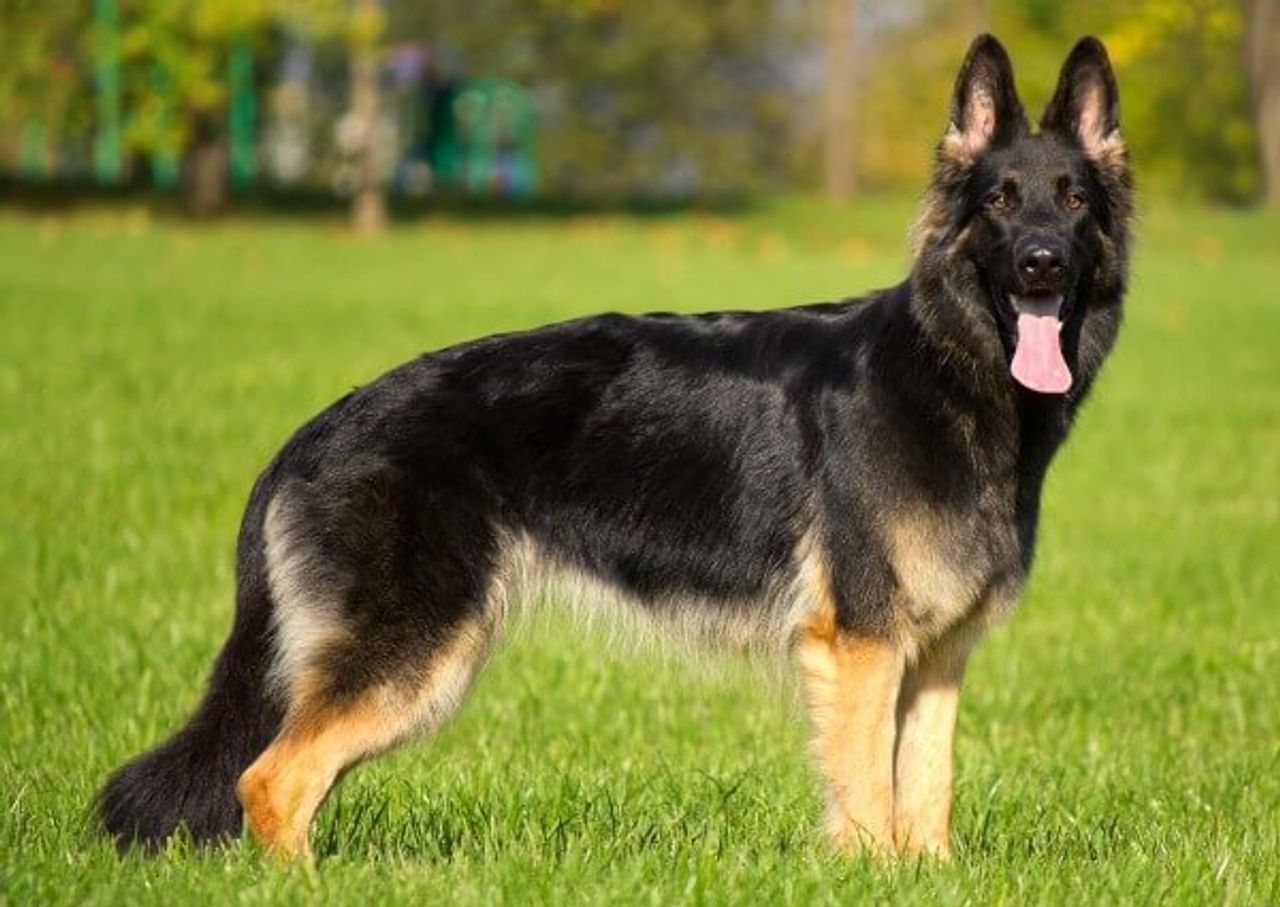
How Much Exercise Does a German Shepherd Need?
By PetEssentialist Team · Updated June 2026 · How we review
We independently research and pick every product. When you buy through our links we may earn a commission, at no extra cost to you. How this works.
German Shepherds require at least 2 hours of exercise and mental stimulation daily, tailored to their high energy level and intelligent nature. Their double coat sheds heavily, so regular grooming is essential to prevent matting and tangling. As a large breed, German Shepherds are prone to hip dysplasia and other joint issues, making gentle, low-impact exercise crucial, especially for puppies and older dogs. A well-exercised German Shepherd is a happy and healthy one, with a reduced risk of destructive behavior and stress-related health issues. However, finding the right balance of physical and mental stimulation can be challenging, especially for first-time owners. German Shepherds thrive on structure and routine, so a consistent exercise schedule is vital. By understanding the specific exercise needs of German Shepherds, owners can help prevent common health issues like hip dysplasia, bloat, and sensitive stomachs, while also nurturing their loyal, confident, and courageous temperament.
What to look for
Daily Exercise Duration
German Shepherds need at least 2 hours of exercise daily, including a mix of physical activity and mental stimulation. This can be broken down into shorter sessions, such as a 30-minute walk, 30 minutes of playtime, and 1 hour of training or interactive games. Puppies and older dogs may require less intense exercise, but still need regular mental stimulation to prevent boredom and stress.
High-Impact vs. Low-Impact Exercise
German Shepherds are prone to joint issues, so high-impact exercise like jumping and agility training should be avoided, especially for puppies and older dogs. Instead, focus on low-impact activities like walking, swimming, and gentle playtime. This will help reduce the risk of hip dysplasia and other joint problems, while still providing adequate physical stimulation.
Mental Stimulation and Training
German Shepherds are highly intelligent and require regular mental stimulation to prevent boredom and stress. Engage your dog in interactive games, obedience training, and problem-solving activities, such as puzzle toys and scent work. This will help challenge their mind and prevent destructive behavior, while also strengthening the bond between dog and owner.
Signs of Too Little or Too Much Exercise
Monitor your German Shepherd's behavior and physical condition to ensure they are getting the right amount of exercise. Signs of too little exercise include destructive behavior, restlessness, and weight gain, while signs of too much exercise include fatigue, joint pain, and decreased appetite. Adjust your dog's exercise routine accordingly to find the perfect balance.
Age and Health Considerations
German Shepherds have different exercise needs at various stages of their life. Puppies require gentle exercise and socialization, while older dogs need more gentle, low-impact activities to prevent joint strain. Dogs with health issues like hip dysplasia or sensitive stomachs may require modified exercise routines, so consult with your veterinarian to determine the best approach for your dog.
Frequently asked questions
How much exercise does a German Shepherd puppy need?
German Shepherd puppies need gentle exercise and socialization, with a focus on short, frequent sessions to prevent joint strain and mental exhaustion. Aim for 1-2 hours of exercise daily, including playtime, training, and short walks.
Can German Shepherds be left alone for long periods without exercise?
No, German Shepherds should not be left alone for long periods without exercise and mental stimulation. This can lead to destructive behavior, stress, and anxiety, so it's essential to provide regular breaks and exercise sessions throughout the day.
How can I prevent my German Shepherd from getting bored with exercise?
To prevent boredom, mix up your German Shepherd's exercise routine with new activities, games, and training sessions. You can also try adding new toys, puzzle toys, and interactive games to keep their mind engaged and stimulated.
What are the signs of overexertion in German Shepherds?
Signs of overexertion in German Shepherds include panting, drooling, lethargy, and joint pain. If you notice any of these symptoms, stop exercise immediately and provide a cool, quiet place for your dog to rest and recover.
Can German Shepherds exercise in hot weather?
German Shepherds can exercise in hot weather, but it's essential to take precautions to prevent heatstroke. Avoid exercising during the hottest part of the day, provide plenty of water and shade, and monitor your dog's behavior and physical condition closely.
To keep your German Shepherd happy and healthy, prioritize a balanced exercise routine that meets their physical and mental needs. With a mix of daily exercise, mental stimulation, and training, you can help prevent common health issues and nurture their loyal, confident, and courageous temperament. Consult with your veterinarian to determine the best exercise approach for your dog, and be patient and consistent in your training and exercise routine.
More for your German Shepherd
Other breed-matched picks worth a look.