German Shepherd
The German Shepherd is a large dog known for being loyal, confident, smart.
- Size
- large
- Weight
- 50–90 lbs
- Life span
- 9–13 yrs
- Coat
- medium double
- Shedding
- high
- Energy
- high
Health to watch for
Common breed predispositions — not a diagnosis. Always consult your vet.
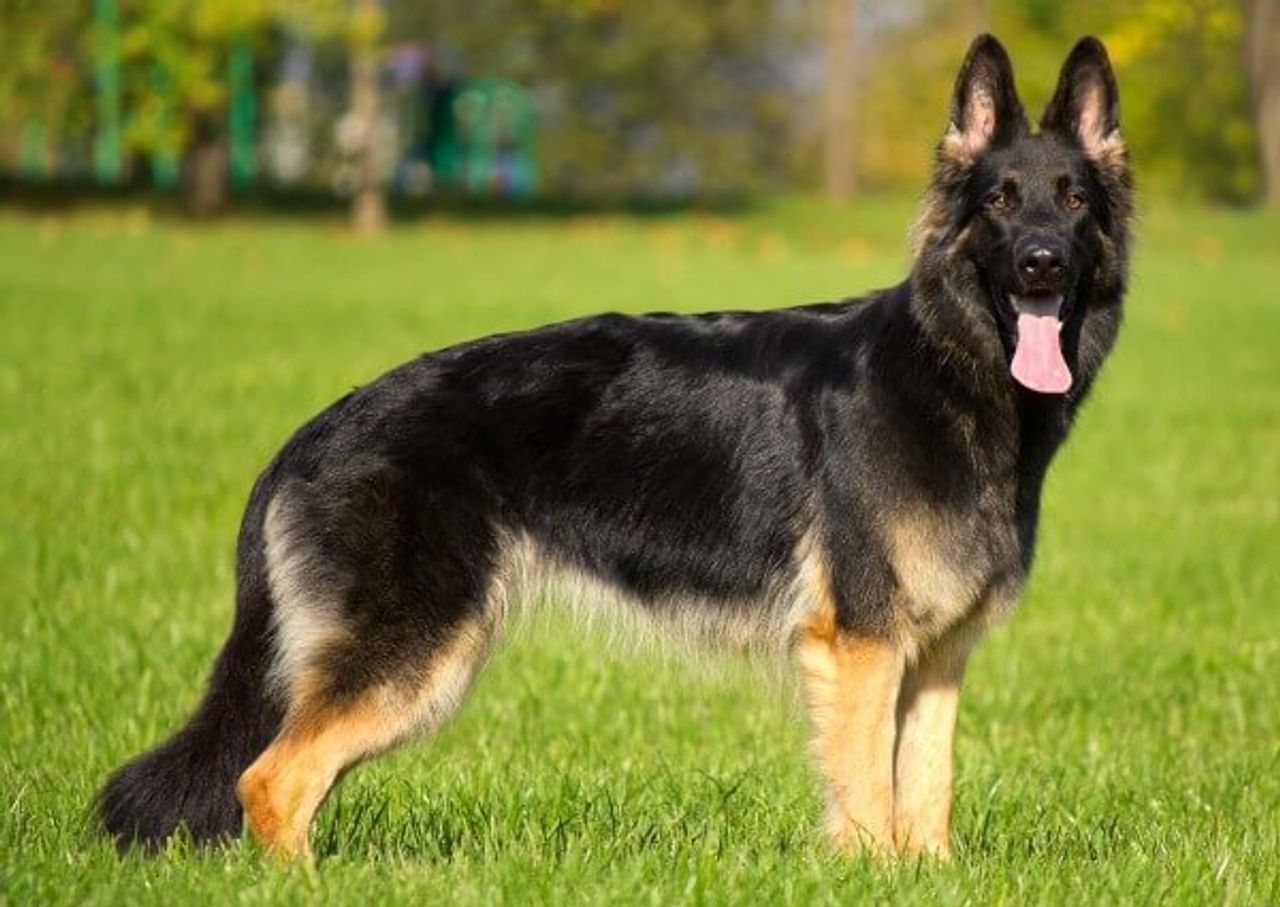
Despite their popularity as a working breed, German Shepherds are often overlooked as a demanding pet that requires significant attention and care. Their high energy level and medium double coat mean they need regular grooming and exercise to prevent health issues.
German Shepherds are renowned for their loyalty, confidence, and intelligence, making them a beloved companion for many families. However, their large size, high shedding, and potential health issues like hip dysplasia and bloat require careful consideration and planning.
With a lifespan of 9-13 years, German Shepherds are a long-term commitment that requires a thoughtful approach to their care and well-being. From daily grooming and exercise to feeding and training, every aspect of their care must be carefully managed to ensure they thrive.
Temperament and Training
German Shepherds are highly intelligent and responsive to training, but they can be strong-willed and independent. Consistent, positive reinforcement training is essential to develop good behavior and prevent unwanted habits. Early socialization and training can help prevent anxiety and fear-based behaviors. As a breed, they thrive on mental and physical stimulation, making interactive toys and puzzle games a great way to keep them engaged.
Daily Care and Grooming
German Shepherds have a medium double coat that sheds heavily, particularly during shedding season. Regular brushing and grooming are essential to prevent matting and tangling, and to reduce shedding. A weekly brushing routine, combined with regular nail trimming, ear cleaning, and bathing, can help keep their coat healthy and clean. Their grooming needs are moderate, but their high shedding means they require more frequent grooming than some other breeds.
Exercise and Enrichment
German Shepherds are a high-energy breed that requires regular exercise and mental stimulation to prevent boredom and destructive behavior. Daily walks, runs, or playtime in a securely fenced area are essential, combined with interactive toys and puzzle games to challenge their minds. They also benefit from obedience training, agility, and other dog sports that provide physical and mental stimulation. A minimum of 1-2 hours of exercise and playtime per day is recommended.
Feeding Considerations
German Shepherds are prone to sensitive stomachs and bloat, so their diet must be carefully managed to prevent digestive issues. A high-quality, balanced diet that is easy to digest is essential, combined with regular feeding times and a consistent routine. They also benefit from a slow-feeder bowl to prevent gobbling their food, and a raised feeder to reduce strain on their neck and joints. Consult with a veterinarian to determine the best diet for their individual needs.
Realistic Cost and Commitment
German Shepherds are a significant investment, both in terms of time and money. Their large size, high energy level, and potential health issues mean they require regular veterinary care, training, and equipment. The cost of owning a German Shepherd can range from $1,000 to $2,000 per year, depending on their size, age, and health. Prospective owners must carefully consider their lifestyle, budget, and ability to provide the necessary care and attention before bringing a German Shepherd into their home.
German Shepherd FAQ
How often should I groom my German Shepherd?
German Shepherds require regular grooming to prevent matting and tangling, and to reduce shedding. A weekly brushing routine, combined with regular nail trimming, ear cleaning, and bathing, can help keep their coat healthy and clean. During shedding season, more frequent grooming may be necessary to prevent hair from accumulating.
What is the best diet for a German Shepherd?
German Shepherds require a high-quality, balanced diet that is easy to digest. Consult with a veterinarian to determine the best diet for their individual needs, taking into account their age, size, and health status. A slow-feeder bowl and raised feeder can also help prevent digestive issues and reduce strain on their neck and joints.
How much exercise does a German Shepherd need?
German Shepherds are a high-energy breed that requires regular exercise and mental stimulation to prevent boredom and destructive behavior. A minimum of 1-2 hours of exercise and playtime per day is recommended, including daily walks, runs, or playtime in a securely fenced area.
Are German Shepherds good with children?
German Shepherds can make excellent family pets, but they require careful socialization and training to ensure they are comfortable and confident around children. Early socialization and positive reinforcement training can help prevent anxiety and fear-based behaviors, and ensure a harmonious household.
How long do German Shepherds live?
German Shepherds have an average lifespan of 9-13 years, depending on their size, health, and lifestyle. With proper care and attention, they can thrive and become a beloved companion for many years.
Top picks for German Shepherds
- Best Food for German Shepherds →
- Best Treats for German Shepherds →
- Best Crates for German Shepherds →
- Best Beds for German Shepherds →
- Best Harnesses for German Shepherds →
- Best Leashes for German Shepherds →
- Best Toys for German Shepherds →
- Best Nail Clippers for German Shepherds →
- Best Joint Supplements for German Shepherds →
- Best Dental Chews for German Shepherds →
- Best Shampoo for German Shepherds →
- Best Collars for German Shepherds →
- Best Training Pads for German Shepherds →
- Best Jackets & Coats for German Shepherds →
- Best Brushes for German Shepherds →
- Best Chew Toys for German Shepherds →
- Best Cooling Mats for German Shepherds →
- Best Ear Cleaners for German Shepherds →