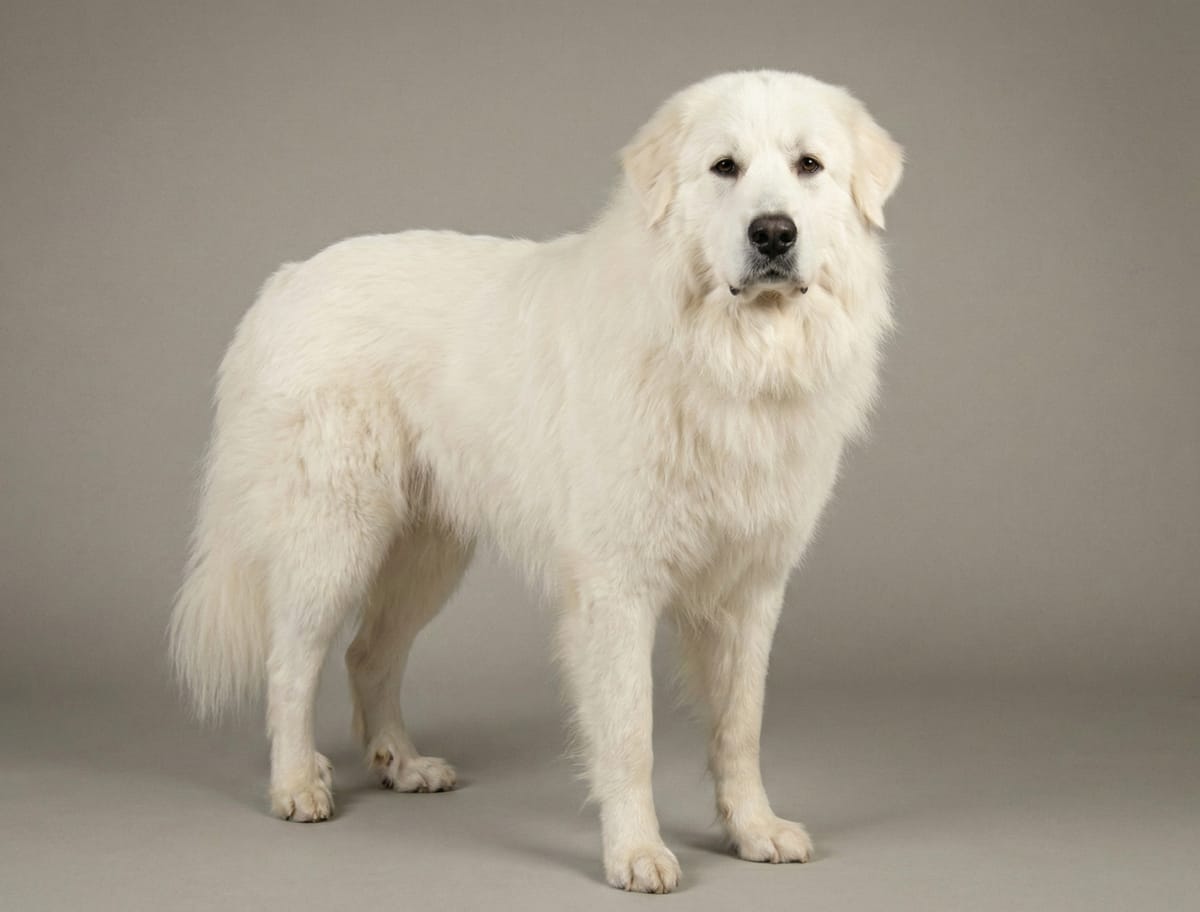
How Much Exercise Does a Great Pyrenees Need?
By PetEssentialist Team · Updated June 2026 · How we review
We independently research and pick every product. When you buy through our links we may earn a commission, at no extra cost to you. How this works.
The Great Pyrenees is a giant breed that requires careful consideration when it comes to exercise. Despite their large size, they have a relatively low energy level, which means they don't need as much physical activity as some other breeds. In fact, a 30-minute walk per day is often sufficient for this breed. However, their thick double coat requires regular grooming to prevent matting and shedding, and their independent temperament means they can be prone to wandering off if not properly exercised and mentally stimulated. As a giant breed, the Great Pyrenees is also prone to certain health issues, such as hip dysplasia and heat sensitivity, which must be taken into account when developing an exercise plan. Their calm and patient nature makes them a great companion for families and individuals who want a gentle giant, but it's essential to provide them with the right amount of physical and mental stimulation to prevent boredom and stress. Understanding the specific exercise needs of the Great Pyrenees is crucial to ensuring they lead a happy and healthy life. By providing the right amount of physical activity and mental stimulation, owners can help prevent common health issues and strengthen the bond with their gentle giant.
What to look for
Daily Walks
Great Pyrenees require daily walks of at least 30 minutes to maintain their physical and mental health. These walks should be taken at a moderate pace to prevent overheating, especially in hot weather. It's essential to choose routes with minimal traffic and few distractions to prevent the dog from becoming overwhelmed or tempted to wander off.
Mental Stimulation
In addition to physical exercise, Great Pyrenees need mental stimulation to prevent boredom and stress. This can be achieved through activities such as obedience training, puzzle toys, and scent work. Owners should aim to provide at least 30 minutes of mental stimulation per day, either in the form of playtime or quiet activities like reading or relaxing.
Playtime
While Great Pyrenees don't require a lot of high-intensity exercise, they do need some playtime to stay happy and healthy. This can be in the form of gentle play, such as fetch or tug-of-war, or more low-key activities like cuddling or simply spending time together. Owners should aim for at least 15-20 minutes of playtime per day.
Weather Considerations
Great Pyrenees are sensitive to heat and humidity, so owners should take precautions to prevent overheating. This includes walking them in the early morning or late evening when temperatures are cooler, providing plenty of shade and water, and avoiding strenuous exercise in hot weather.
Signs of Overexertion
It's essential for owners to recognize the signs of overexertion in their Great Pyrenees, which can include panting, drooling, and lethargy. If an owner notices any of these symptoms, they should stop the exercise immediately and provide the dog with plenty of water and rest.
Frequently asked questions
How often should I walk my Great Pyrenees?
Great Pyrenees require daily walks of at least 30 minutes to maintain their physical and mental health. However, the frequency and duration of walks may vary depending on the individual dog's needs and health status.
Can Great Pyrenees handle high-intensity exercise?
No, Great Pyrenees are not suited for high-intensity exercise due to their low energy level and giant size. They are prone to overheating and joint issues, so owners should avoid activities that put excessive strain on their joints or cardiovascular system.
How can I provide mental stimulation for my Great Pyrenees?
Great Pyrenees need mental stimulation to prevent boredom and stress. Owners can provide this through activities such as obedience training, puzzle toys, and scent work. They can also try providing quiet activities like reading or relaxing with their dog.
What are the signs of overexertion in Great Pyrenees?
The signs of overexertion in Great Pyrenees include panting, drooling, lethargy, and loss of appetite. If an owner notices any of these symptoms, they should stop the exercise immediately and provide the dog with plenty of water and rest.
Can Great Pyrenees be left alone for long periods?
While Great Pyrenees are independent dogs, they still require attention and exercise to stay happy and healthy. Owners should not leave their Great Pyrenees alone for extended periods, as this can lead to boredom, stress, and destructive behavior.
In conclusion, providing the right amount of exercise and mental stimulation is crucial for the health and well-being of Great Pyrenees. Owners should prioritize daily walks, mental stimulation, and playtime, while also taking into account the breed's specific needs and limitations. By doing so, they can help prevent common health issues and strengthen the bond with their gentle giant. The key is to find a balance between physical activity and rest, and to provide a stimulating environment that meets the dog's unique needs.
More for your Great Pyrenees
Other breed-matched picks worth a look.