Great Pyrenees
The Great Pyrenees is a giant dog known for being calm, patient, gentle.
- Size
- giant
- Weight
- 85–120 lbs
- Life span
- 10–12 yrs
- Coat
- thick long double
- Shedding
- high
- Energy
- low
Health to watch for
Common breed predispositions — not a diagnosis. Always consult your vet.
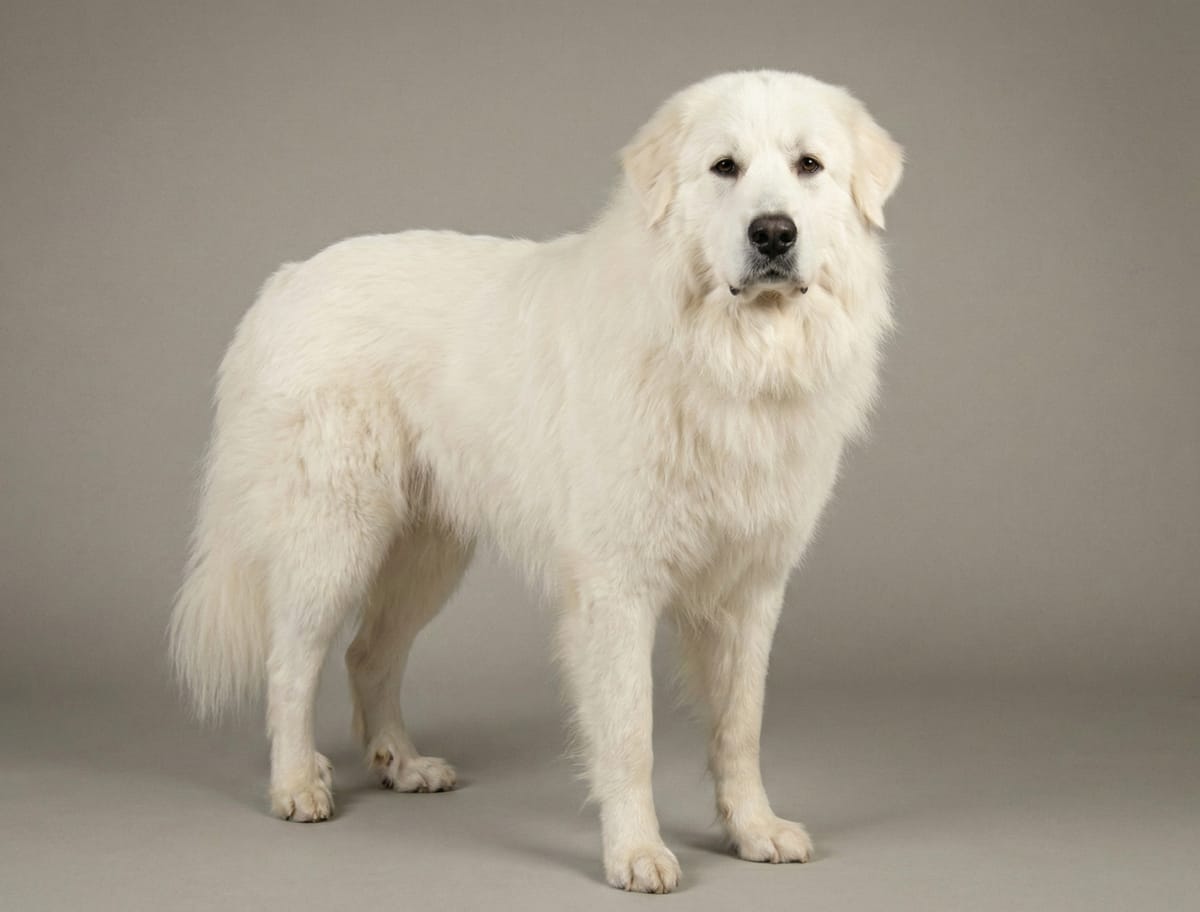
Owning a Great Pyrenees can be a rewarding experience, but it also comes with unique challenges. Their thick, long double coat requires regular grooming to prevent matting and shedding, which can be overwhelming for some owners. Additionally, their large size and independent temperament mean they need plenty of space and gentle training.
Great Pyrenees are prone to certain health issues, such as hip dysplasia and bloat, which can be costly to treat. Their low energy level means they don't require a lot of exercise, but they still need regular activity to stay happy and healthy. As a giant breed, they also require extra support and care to prevent joint problems and heat sensitivity.
Understanding the specific needs of the Great Pyrenees breed is crucial to providing the best possible care. By recognizing their unique characteristics and challenges, owners can take steps to ensure their dog leads a long, healthy, and happy life.
Temperament and Training
Great Pyrenees are known for their calm, patient, and gentle nature, making them a great breed for families with children. However, they can be independent and stubborn at times, requiring consistent and gentle training. Early socialization and positive reinforcement training are essential to develop good behavior and prevent unwanted habits. Owners should also be prepared to provide plenty of love, attention, and patience to help their Great Pyrenees feel secure and confident.
Grooming and Shedding
The thick, long double coat of the Great Pyrenees requires regular grooming to prevent matting and shedding. Owners should be prepared to brush their dog several times a week, and more frequently during shedding season. A good quality brush and regular nail trimming are essential to prevent hair from getting matted and tangled, and to keep their nails healthy and short.
Exercise and Enrichment
Despite their large size, Great Pyrenees have a relatively low energy level, requiring only moderate exercise to stay happy and healthy. Daily walks and playtime are essential, but they should be kept short and gentle to prevent overexertion. Owners should also provide plenty of mental stimulation and enrichment activities, such as puzzle toys and scent work, to keep their Great Pyrenees engaged and entertained.
Feeding and Nutrition
Great Pyrenees are a giant breed and require a balanced diet that meets their nutritional needs. Owners should feed a high-quality dog food that is rich in protein and low in fillers, and should avoid overfeeding to prevent obesity and related health problems. A slow-feeder bowl and regular monitoring of food intake can help prevent bloat and other digestive issues.
Health and Wellness
Great Pyrenees are prone to certain health issues, such as hip dysplasia, bloat, and patellar luxation. Regular veterinary check-ups and a healthy lifestyle can help prevent or manage these conditions. Owners should also be aware of the signs of heat sensitivity and take steps to keep their Great Pyrenees cool and comfortable during hot weather.
Great Pyrenees FAQ
How often should I groom my Great Pyrenees?
Great Pyrenees require regular grooming to prevent matting and shedding. Owners should brush their dog several times a week, and more frequently during shedding season. A good quality brush and regular nail trimming are essential to prevent hair from getting matted and tangled, and to keep their nails healthy and short.
Can Great Pyrenees live in apartments?
While Great Pyrenees can adapt to apartment living, they do require regular exercise and space to move around. Owners should consider the size of their apartment and the amount of time they can dedicate to exercising their dog before deciding to bring a Great Pyrenees into their home.
Are Great Pyrenees good with children?
Great Pyrenees are known for their calm, patient, and gentle nature, making them a great breed for families with children. However, as with any breed, it's essential to socialize your Great Pyrenees well and teach children how to interact with them gently and respectfully.
How much exercise does a Great Pyrenees need?
Despite their large size, Great Pyrenees have a relatively low energy level, requiring only moderate exercise to stay happy and healthy. Daily walks and playtime are essential, but they should be kept short and gentle to prevent overexertion.
What health issues are Great Pyrenees prone to?
Great Pyrenees are prone to certain health issues, such as hip dysplasia, bloat, and patellar luxation. Regular veterinary check-ups and a healthy lifestyle can help prevent or manage these conditions. Owners should also be aware of the signs of heat sensitivity and take steps to keep their Great Pyrenees cool and comfortable during hot weather.
Top picks for Great Pyreneess
- Best Beds for Great Pyreneess →
- Best Collars for Great Pyreneess →
- Best Harnesses for Great Pyreneess →
- Best Crates for Great Pyreneess →
- Best Leashes for Great Pyreneess →
- Best Food for Great Pyreneess →
- Best Treats for Great Pyreneess →
- Best Dental Chews for Great Pyreneess →
- Best Nail Clippers for Great Pyreneess →
- Best Chew Toys for Great Pyreneess →
- Best Shampoo for Great Pyreneess →
- Best Toys for Great Pyreneess →
- Best Cooling Mats for Great Pyreneess →
- Best Brushes for Great Pyreneess →
- Best Ear Cleaners for Great Pyreneess →
- Best Joint Supplements for Great Pyreneess →
- Best Jackets & Coats for Great Pyreneess →
- Best Training Pads for Great Pyreneess →