How Much Exercise Does a Keeshond Need?
By PetEssentialist Team · Updated July 2026 · How we review
We independently research and pick every product. When you buy through our links we may earn a commission, at no extra cost to you. How this works.
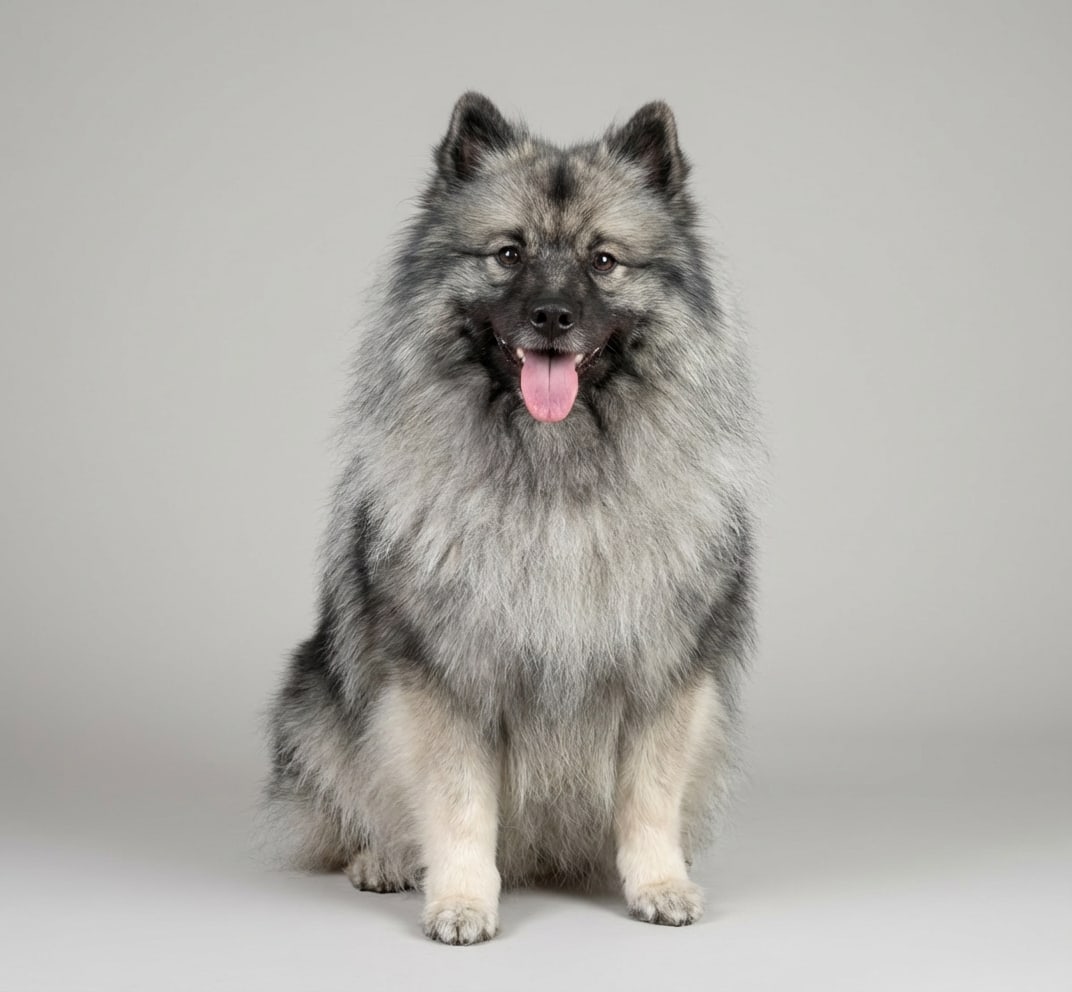
Despite their thick double coat, Keeshonds are surprisingly agile and require regular exercise to stay healthy. With their moderate energy level, they need a balance of physical activity and mental stimulation to prevent boredom and stress. Their friendly and affectionate nature makes them perfect companions for active families, but they also thrive on interaction and playtime. Keeshonds are prone to hip dysplasia and patellar luxation, so their exercise routine should be carefully planned to avoid putting excessive strain on their joints. Regular grooming is also essential to prevent matting and tangling of their plush coat. A well-exercised Keeshond is a happy Keeshond, and with the right balance of physical and mental stimulation, they can thrive as a beloved family pet.
What to look for
Daily Walks
Keeshonds need at least 30 minutes of daily walks, divided into two or three shorter sessions to prevent joint strain. They love exploring new environments and sniffing out new smells, so varied routes and outdoor adventures are essential. Aim for a mix of on-leash and off-leash walks to provide mental stimulation and exercise.
Playtime and Training
In addition to walks, Keeshonds need regular playtime and training sessions to challenge their minds and bodies. Engage them in interactive games like fetch, agility training, or obedience exercises to keep them focused and active. Aim for 10-15 minutes of playtime per session, two to three times a day.
Mental Enrichment
Keeshonds are intelligent and curious dogs that require mental stimulation to prevent boredom and stress. Provide them with puzzle toys, treat-dispensing games, or scent work activities to challenge their problem-solving skills and keep them engaged. Rotate toys and activities regularly to prevent boredom and keep them interested.
Exercise Duration and Frequency
Keeshonds need at least 1-2 hours of exercise and mental stimulation per day, divided into shorter sessions to prevent exhaustion. Puppies and older dogs may require less exercise, so adjust the duration and frequency according to your dog's age, health, and energy level. Monitor your dog's behavior and adjust the exercise routine accordingly to prevent overexertion or boredom.
Signs of Too Little or Too Much Exercise
Watch for signs of too little exercise, such as restlessness, destructive behavior, or obesity, and adjust the exercise routine accordingly. Conversely, watch for signs of too much exercise, such as fatigue, limping, or stress, and reduce the intensity or duration of exercise. Consult a veterinarian if you're unsure about your dog's exercise needs or notice any unusual behavior.
Frequently asked questions
How often should I groom my Keeshond?
Keeshonds require regular grooming to prevent matting and tangling of their coat. Aim for daily brushing, with more frequent sessions during shedding season. This will help reduce shedding and prevent hair from getting everywhere.
Can Keeshonds be left alone for long periods?
Keeshonds are social dogs that thrive on interaction and attention. While they can be left alone for short periods, it's not recommended to leave them alone for more than 4-6 hours without exercise, mental stimulation, or social interaction. Consider hiring a dog walker or asking a neighbor to check in on them if you have a busy schedule.
Are Keeshonds suitable for apartment living?
Keeshonds can adapt to apartment living if provided with regular exercise and mental stimulation. However, they do require daily walks and playtime, so a securely fenced yard or nearby park is essential. If you live in an apartment, consider investing in puzzle toys and interactive games to keep your Keeshond entertained and engaged.
How can I prevent hip dysplasia in my Keeshond?
While hip dysplasia is a genetic condition, you can reduce the risk of exacerbating the condition by providing regular exercise, maintaining a healthy weight, and avoiding high-impact activities that put excessive strain on the joints. Consult a veterinarian for personalized advice on exercise and nutrition.
Can Keeshonds be trained for agility or obedience?
Yes, Keeshonds are highly intelligent and responsive to training. They thrive on mental stimulation and physical activity, making them suitable for agility, obedience, or other dog sports. Invest in positive reinforcement training and reward-based exercises to bring out the best in your Keeshond.
To keep your Keeshond happy and healthy, prioritize a balanced exercise routine that includes daily walks, playtime, and mental stimulation. By providing the right amount of physical and mental activity, you can help prevent common health issues and strengthen the bond between you and your dog. Consult a veterinarian or dog trainer for personalized advice on exercise and training tailored to your Keeshond's unique needs and personality.
More for your Keeshond
Other breed-matched picks worth a look.