How Much Exercise Does a Lhasa Apso Need?
By PetEssentialist Team · Updated July 2026 · How we review
We independently research and pick every product. When you buy through our links we may earn a commission, at no extra cost to you. How this works.
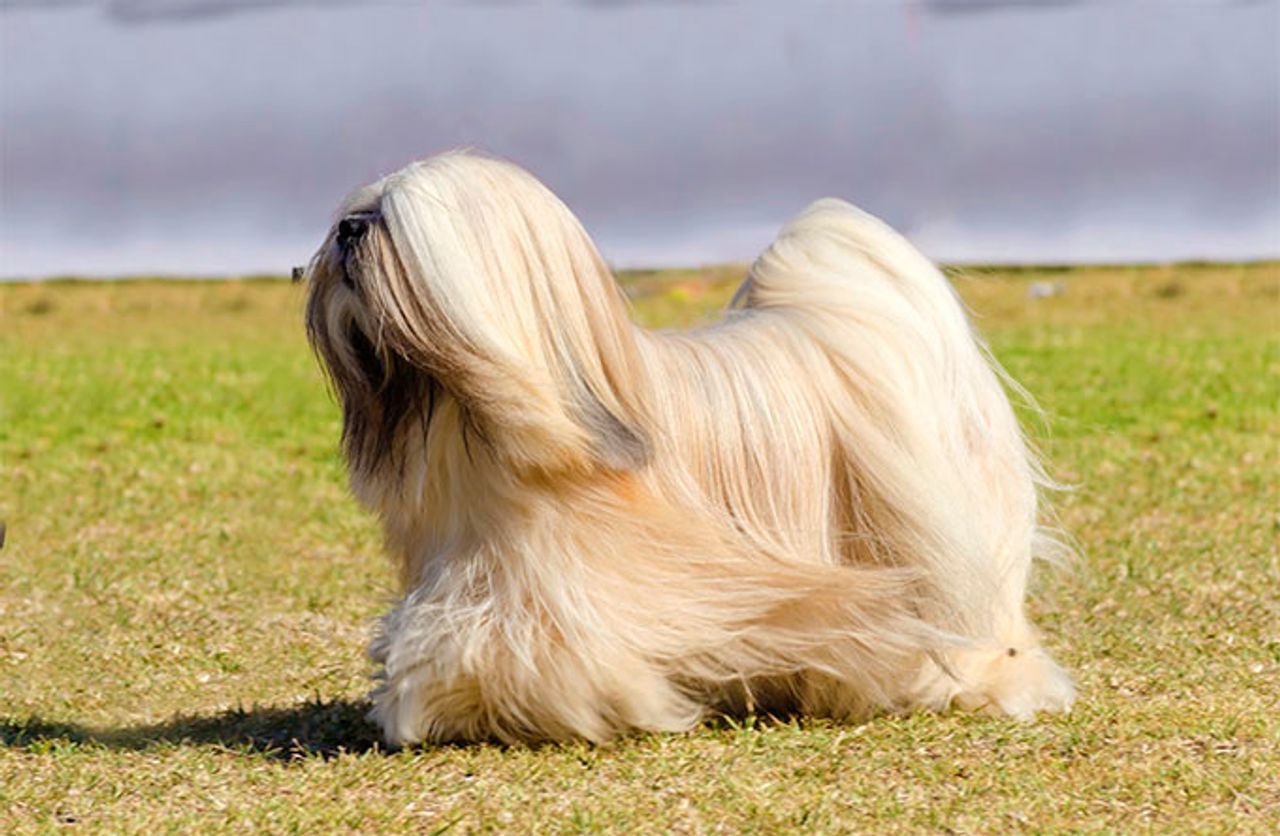
Despite their small size, Lhasa Apsos require regular exercise to maintain their physical and mental health. One surprising fact about this breed is that their flowing, floor-length coat can actually hinder their movement if not properly cared for, making daily grooming a crucial aspect of their overall exercise routine. Lhasa Apsos are known for their confident and independent nature, which can sometimes make them prone to obesity if they don't receive enough physical and mental stimulation. As a result, it's essential for owners to provide a balanced exercise plan that caters to their moderate energy level. With their long, dense double coat requiring daily care or clipping, Lhasa Apso owners must consider the time and effort needed to maintain their dog's physical health, in addition to providing regular exercise and mental enrichment.
What to look for
Daily Walks
Lhasa Apsos require at least one 20-30 minute walk per day, taken at a moderate pace to accommodate their energy level. It's essential to keep the walks engaging and varied to prevent boredom and stress. Owners should aim to include a mix of short, gentle strolls and more energetic playtime to keep their Lhasa Apso physically and mentally stimulated.
Playtime and Training
In addition to daily walks, Lhasa Apsos need regular playtime and training sessions to challenge their minds and bodies. Owners can engage their Lhasa Apsos in play activities such as hide-and-seek, fetch, and obedience training, which can help to strengthen their bond and provide mental enrichment. These sessions should be kept short and fun, lasting around 10-15 minutes, to prevent overexertion.
Mental Stimulation
Lhasa Apsos are prone to independent behavior and can become destructive if left without mental stimulation. Owners can provide puzzle toys, interactive games, and scent work to keep their Lhasa Apso engaged and challenged. This mental stimulation is crucial in preventing boredom, stress, and related health issues.
Avoiding Overexertion
Lhasa Apsos can be prone to eye and kidney issues, making it essential to avoid overexertion and excessive exercise. Owners should monitor their dog's energy levels and adjust their exercise plan accordingly. Signs of overexertion include panting, drooling, and lethargy, and owners should seek veterinary advice if they notice any of these symptoms.
Coat Care and Exercise
Lhasa Apsos' long, dense double coat requires daily care or clipping, which can impact their exercise routine. Owners should factor in the time and effort needed to maintain their dog's coat, ensuring that they don't overexert their Lhasa Apso during exercise. Regular grooming can help to prevent matting and tangling, making it easier for owners to exercise their dog without causing discomfort or pain.
Frequently asked questions
How often should I exercise my Lhasa Apso?
Lhasa Apsos require daily exercise, including at least one 20-30 minute walk and regular playtime and training sessions. The frequency and duration of exercise will depend on the individual dog's energy level and age.
Can Lhasa Apsos tolerate extreme temperatures?
Lhasa Apsos can be sensitive to extreme temperatures, particularly heat, due to their thick coat. Owners should avoid exercising their Lhasa Apso during peak sun hours and provide plenty of shade and water breaks.
How can I prevent my Lhasa Apso from becoming overweight?
To prevent obesity in Lhasa Apsos, owners should provide regular exercise, monitor their dog's food intake, and avoid overfeeding. A balanced diet and regular check-ups with a veterinarian can help to maintain a healthy weight.
Can Lhasa Apsos be left alone for extended periods?
Lhasa Apsos are independent dogs and can tolerate being left alone for short periods. However, they still require regular social interaction and mental stimulation to prevent boredom and stress. Owners should provide puzzle toys and interactive games to keep their Lhasa Apso engaged when left alone.
How can I tell if my Lhasa Apso is getting enough exercise?
Signs that a Lhasa Apso is getting enough exercise include a healthy weight, shiny coat, and energetic but not hyperactive behavior. Owners should monitor their dog's energy levels and adjust their exercise plan accordingly, seeking veterinary advice if they notice any signs of overexertion or lethargy.
For Lhasa Apso owners, providing a balanced exercise plan that caters to their dog's moderate energy level and specific breed attributes is crucial. By incorporating daily walks, playtime, and mental stimulation, owners can help to maintain their Lhasa Apso's physical and mental health. The key to a happy and healthy Lhasa Apso is finding the right balance between exercise, grooming, and social interaction.
More for your Lhasa Apso
Other breed-matched picks worth a look.